

SpaceX’s Inspiration4 mission isn’t just about reaching new heights—it’s about advancing our understanding of health in space, as reported by Nature. This groundbreaking mission marked a significant step in space health research, utilizing state-of-the-art technology to monitor the health of its civilian crew.
One of the most notable innovations was the use of handheld ultrasound imaging. This non-invasive tool allowed for real-time health assessments, providing crucial data that will help shape the future of civilian spaceflights.
Smartwatches and Space Immune Systems
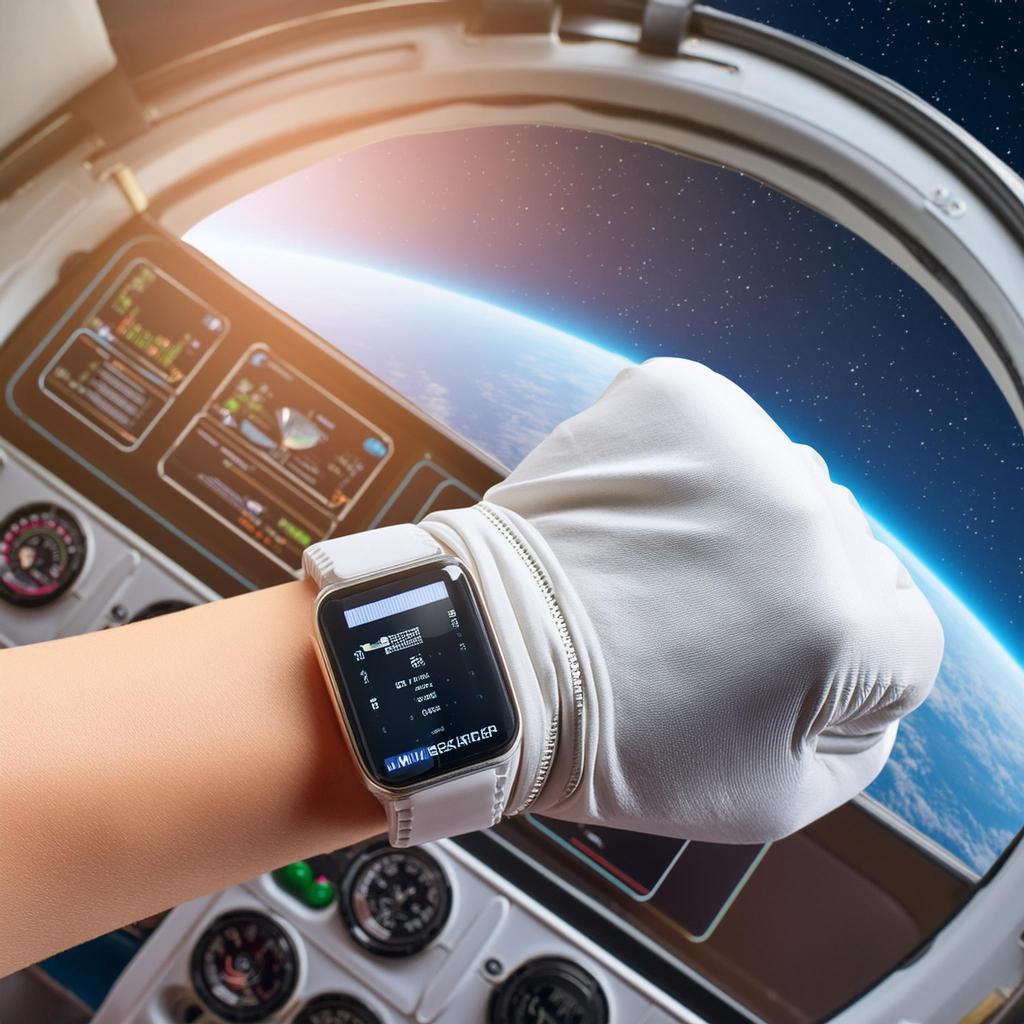
Beyond ultrasound technology, the Inspiration4 mission employed advanced wearables to monitor the crew’s health continuously. Smartwatches from Apple were used to collect physiological data such as heart rate, activity levels, and sleep patterns around the clock.
Another key innovation was immune profiling, which involved detailed biochemical assays to study changes in the immune system due to the space environment. These insights are vital for developing strategies to maintain astronaut health on long-duration missions.
Space Migraines
Despite these advancements, space health research faces significant challenges. One major issue observed during the mission was neurovestibular changes, such as ocular misalignment. This condition, common in microgravity, can affect an astronaut’s ability to function effectively.
The reliance on current technologies also has limitations; for example, while wearables provide valuable data, they cannot capture every aspect of physiological changes in space. This highlights the need for further research and development to mitigate these risks and improve the accuracy and comprehensiveness of health monitoring in space.
“Overall, these preliminary civilian spaceflight data suggest that short-duration missions do not pose a significant health risk, and moreover present a rich opportunity to measure the earliest phases of adaptation to spaceflight in the human body at anatomical, cellular, physiologic, and cognitive levels” concludes the authors in Nature.
Collecting Space Health Data
The success of Inspiration4 marks the beginning of a new era in space health research. The mission’s comprehensive approach to data collection sets a precedent for future spaceflights, both civilian and governmental. “These methods and results lay the foundation for an open, rapidly expanding biomedical database for astronauts” explains the authors in Nature. This data will inform the design of future missions and help ensure that space exploration is sustainable and safe.