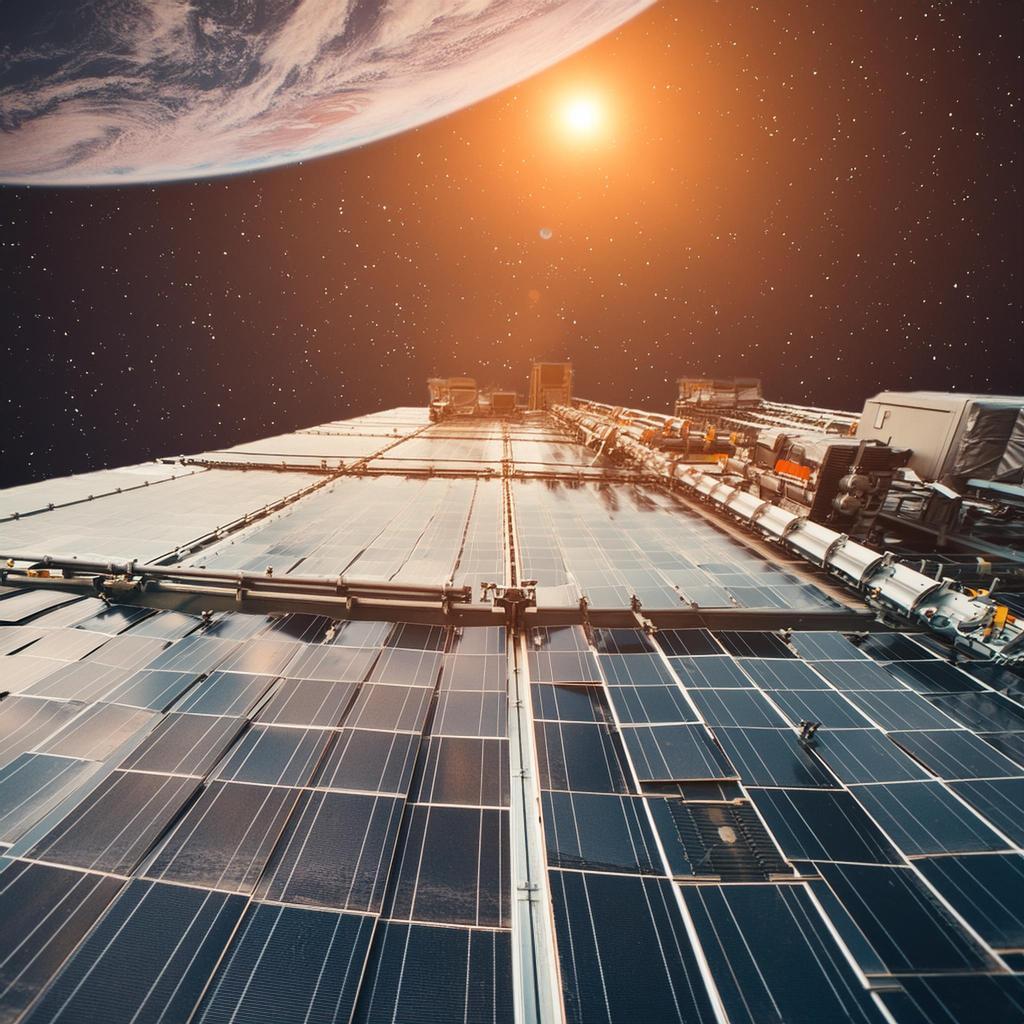
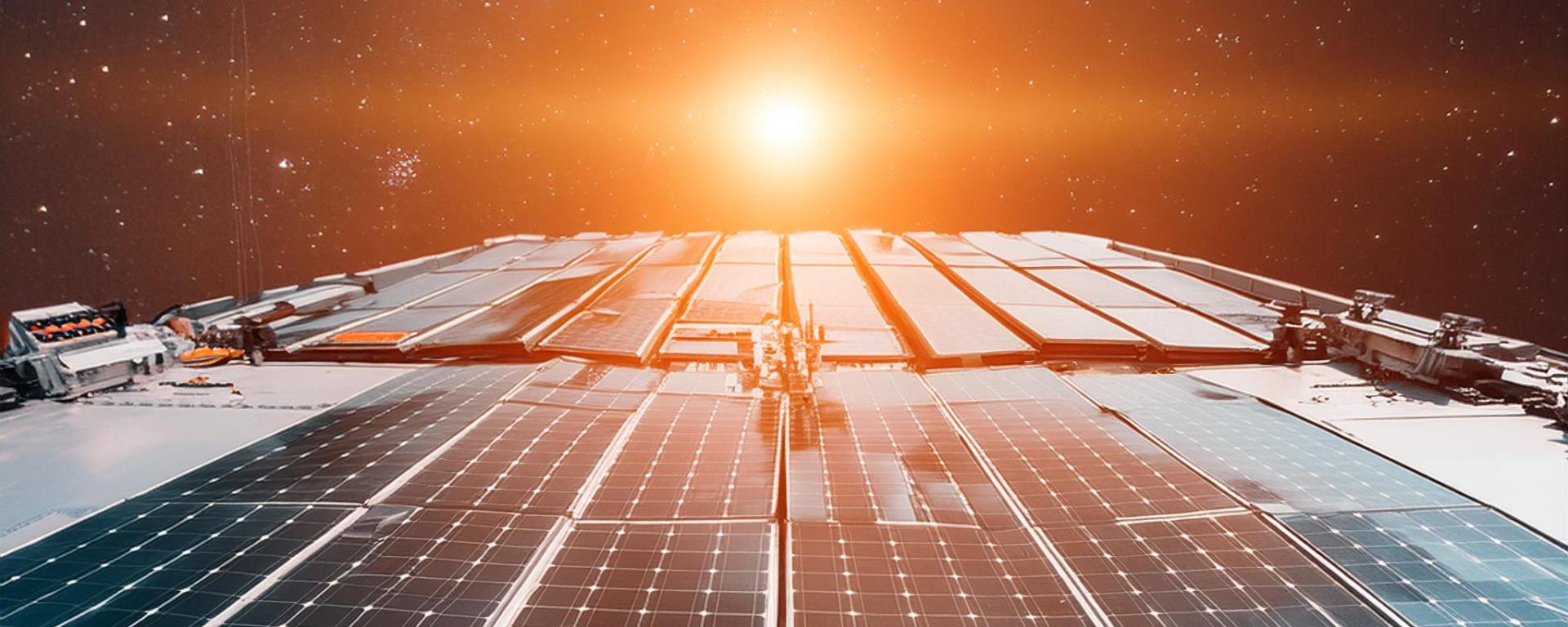
Space is a notoriously harsh environment, bombarding materials with extreme radiation and temperature variations. Scientists are constantly searching for materials that can withstand these conditions, and a recent breakthrough might just change the game.
In The Conversation, a team led by Ahmad Kirmani at the Rochester Institute of Technology explained they have discovered that metal-halide perovskites, a class of materials known for their exceptional ability to convert sunlight into electricity, can self-heal from radiation damage. This remarkable property could be a game-changer for space-based solar panels and other technologies.
What the Heck Are Perovskites?
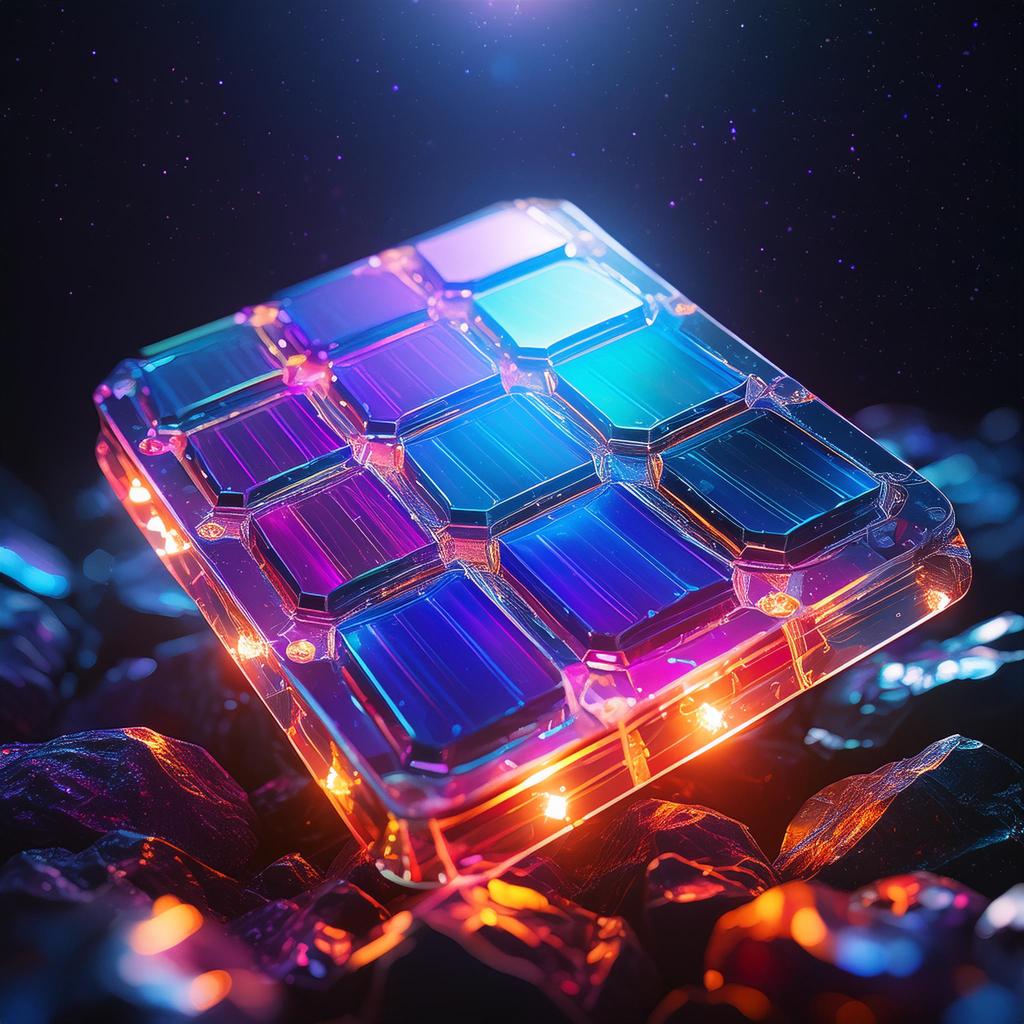
Perovskites were discovered in 1839. These materials, synthetised later as metal-halide perovskites, have gained attention for their efficiency in converting sunlight to electricity, making them ideal for use in solar cells. Kirmani’s team found that when perovskite solar cells are exposed to high-energy protons, they can repair damage caused by low-energy protons, a unique capability not observed in traditional silicon solar cells.
“The high-energy protons healed the damage caused by the low-energy protons, allowing the device to recover and continue doing its job,” explains The Conversation. This discovery opens up exciting possibilities for their use in powering satellites and future space habitats.
The Dark Side of Perovskites
These perovskite solar cells are not only efficient but also lightweight and flexible, which is crucial for space applications. They can be manufactured into thin films, making them almost 100 times thinner than conventional silicon solar cells while maintaining comparable performance.
This efficiency, combined with their potential to self-heal in space, positions them as a promising alternative to existing technologies. However, these materials do face challenges. On Earth, perovskite films degrade when exposed to moisture and oxygen, which researchers are actively working to address.
Silicon Solar Cells Are So Last Century
Despite the promise of perovskites, they are not without limitations. While they show impressive self-healing properties in space, their stability on Earth remains a concern due to environmental degradation. In contrast, conventional silicon solar cells do not degrade in moisture but lack the self-repair capabilities of perovskites.
This presents a dual challenge: enhancing the stability of perovskites on Earth while leveraging their unique properties for space use. Ahmad Kirmani expressed his surprise at the material’s resilience, stating, “How can a material that degrades when exposed to oxygen and moisture not only resist the harsh radiation of space but also self-heal in an environment that destroys conventional silicon semiconductors?” Ongoing research aims to understand and mitigate these challenges, ensuring that perovskites can be used effectively in both terrestrial and extraterrestrial environments.
Understanding Self-Healing
Looking ahead, future research will explore how perovskites handle the combined stressors of radiation, vacuum, and temperature extremes in space. Understanding the self-healing mechanism is key to fully realizing their potential. This discovery could significantly impact space exploration and technology development, allowing for more durable and efficient systems in the harshest environments.