

Drinking recycled urine might sound unappealing, but it could soon be a reality for astronauts on spacewalks. According to New Scientist, a groundbreaking water filtration and recycling system is set to debut in NASA’s upcoming moon missions, recycling urine with 87% efficiency and converting it into drinkable water. This innovation might raise eyebrows, but the technology behind it is both fascinating and essential for long-duration space missions.
From diapers to drinkable water
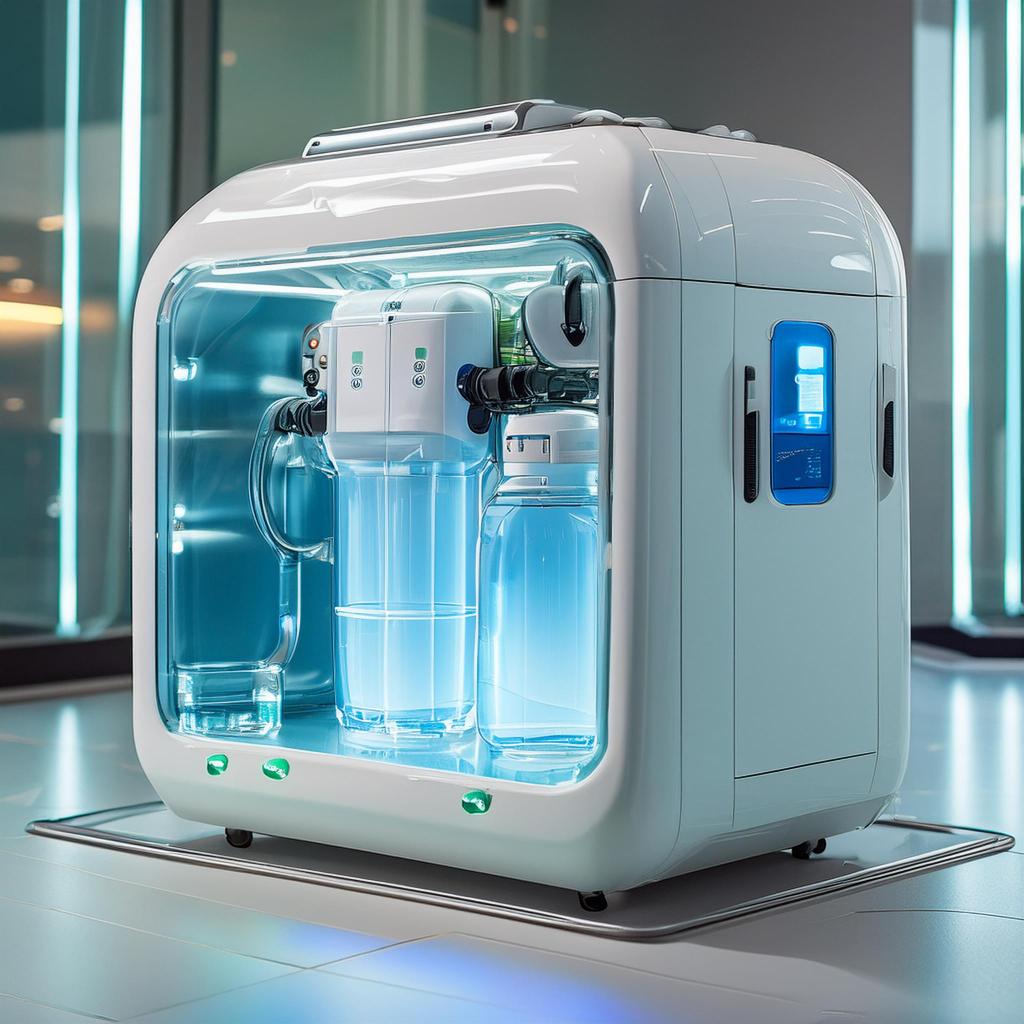
The new device, roughly the size of a shoebox and weighing 8 kilograms, uses a two-step osmosis filter similar to the one on the International Space Station (ISS). Presently, spacesuits can, according to New Scientist, hold less than a liter of drinking water and use a diaper-like system for urine, which is far from ideal for longer missions.
By addressing these practical issues, the new system also tackles the sustainability challenges of human space exploration, providing a steady supply of drinking water directly to the astronaut.
Recycling Urine: A Golden Opportunity?
Chris Mason from Cornell University underscores the necessity of improved solutions as space activities increase. He points out the trade-off between discomfort and the chance to push human boundaries, saying, “People that are pushing the limits of humanity will often trade discomfort for the opportunity to explore an entirely new area of science or medicine.”
Although extracting water from urine is nearly perfected, extracting it from stool remains unsolved. However, astronauts often manage without addressing bowel movements during spacewalks.
The future is in the bag
Looking ahead, this new device could be integrated into spacesuits designed for NASA’s Artemis missions. Axiom Space is developing these suits, though details on waste management are still undisclosed. With human trials set to begin soon, this new filtration system could mark a significant step towards sustainable living in space.