
In a world where vertical farming is becoming increasingly popular, one company is taking the concept to new heights – literally. According to a recent article in The Next Web, UK-based startup Vertical Future is set to build an autonomous farm in orbit, bringing the cosmos one step closer to becoming our celestial breadbasket.
The UK Space Agency has awarded Vertical Future £1.5 million to construct their high-tech veggie garden on the world’s first commercial space station, currently under construction by US-based Axiom Space. The station is scheduled to open its doors to eager astronauts in 2026, providing a unique testing ground for growing fruits, vegetables, and even pharmaceuticals in microgravity.
From LED Lights to Robot Farmers
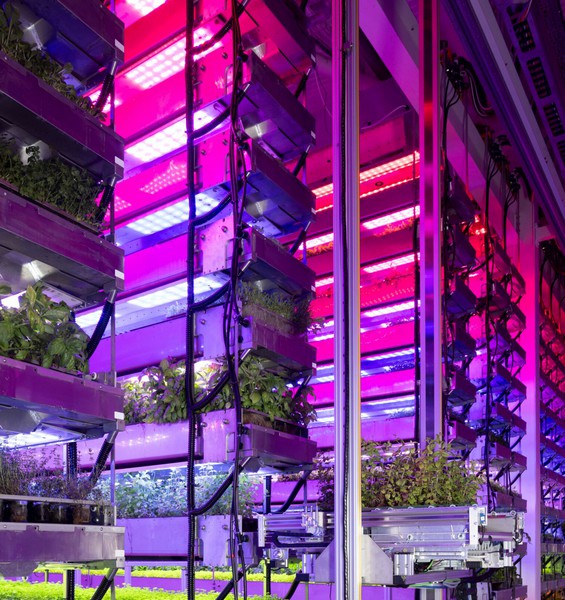
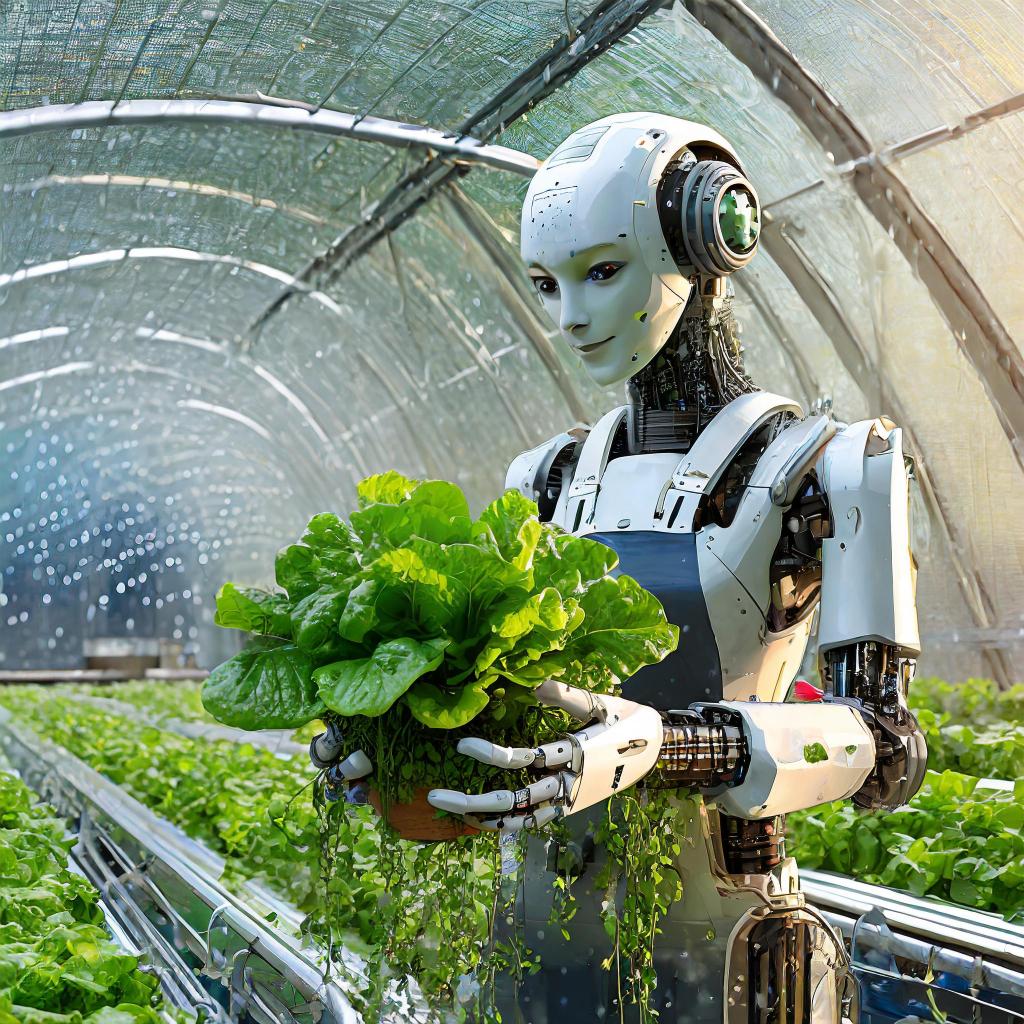
Vertical Future’s cutting-edge technology lies at the heart of this ambitious project. The company specializes in autonomous vertical farming, using LED lights, metal boxes, and robots to manage crops from seed treatment to harvesting. In space, however, their system faces a whole new set of challenges. Dr. Jen Bromley, Vertical Future’s Chief Scientific Officer, told The Next Web, « The main issue is watering and feeding [the plants]. In microgravity, any fluid movement needs to be carefully controlled as water doesn’t pool the same way it does on Earth. »
A « Pillow » Solution for Thirsty Plants
To overcome this hurdle, the startup is developing a « pillow » system to safely contain liquids for plant use, building upon NASA’s previous research in microgravity plant growth. This innovative solution could revolutionize the way we grow crops in space, making it possible to provide fresh produce for astronauts on long-duration missions.
Fresh Produce for Happy Astronauts
The importance of successfully growing fresh produce in space cannot be overstated. Not only would it provide essential nutrients for astronauts on long-duration missions, but it would also offer psychological benefits. « Plants are not just important for astronaut nutrition, there is a proven psychological benefit to eating fresh produce, » Dr. Bromley explained to The Next Web. « The experience of texture and flavors from fresh food cannot be underestimated for astronaut well-being. As we travel further and spend longer in space that is critical. »
While vertical farming has faced challenges on Earth, such as high costs and energy requirements, the lessons learned from Vertical Future’s space farm could provide valuable insights for both space exploration and terrestrial agriculture. The company plans to build the first space farm prototype this year, with testing on the International Space Station (ISS) scheduled for next year and deployment on the commercial space station in 2026.

