


Blue Origin, the space company founded by Amazon CEO Jeff Bezos, has passed four key milestones in the development of its Orbital Reef space station’s water recycling system, according to Business Insider. The system will recycle water from activities such as breathing, sweating, and even urine, providing clean water for astronauts to drink and use in space.
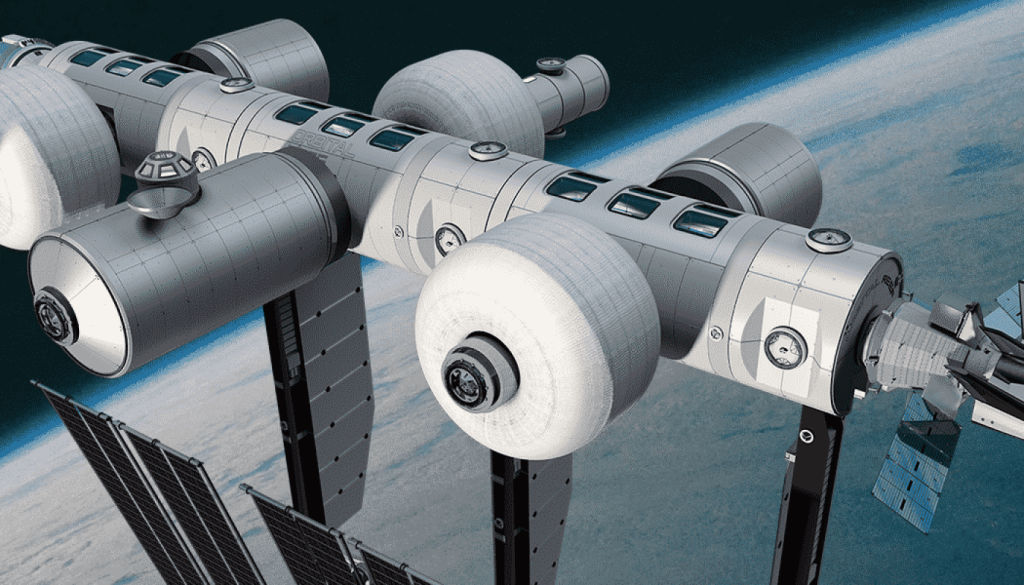
Blue Origin’s Orbital Reef space station
The Orbital Reef is a joint venture between Blue Origin and Sierra Space, and is one of several commercial space stations being developed as part of NASA’s Commercial Low Earth Orbit Development program. The station will be a destination for more than just NASA astronauts, with plans to lease quarters and laboratory space to other customers, including space tourists.
Recycling urine into drinking water
One of the key milestones passed by Blue Origin is the development of a system to recover urine for recycling. Angela Hart, manager of NASA’s Commercial Low Earth Orbit Development Program, said in a NASA statement quoted by Business Insider: « These milestones are critical to ensuring that a commercial destination can support human life. » The system will use a series of filters and chemical processes to remove impurities and contaminants from the water, making it safe for human consumption.
The idea of drinking recycled urine may be unappealing to some, but it is not a new concept. Astronauts on the International Space Station (ISS) have been drinking each other’s crystal-clean recycled urine for about 15 years, and for good reason. It helps reduce the amount of water NASA would need to launch into space to keep astronauts alive, thereby cutting launch costs and saving money.
Reducing launch costs and saving money
NASA is handing the next generation of space stations over to commercial companies because it has bigger priorities that need funding. By leasing space on commercial space stations, NASA can continue to send its astronauts to space while freeing up its budget to focus on other priorities, such as establishing a permanent human presence on the moon and eventually sending astronauts to Mars.
Commercial space stations like Orbital Reef could also serve as a stepping stone for future space exploration. By providing a place for companies and governments to test new technologies and conduct research in a low-Earth orbit environment, these stations could help pave the way for future missions to the moon, Mars, and beyond. Who knows, maybe one day we’ll all be drinking recycled urine on our way to Mars.