


Gizmodo recently reported an intriguing development in space exploration, combining innovation with sustainability. As we venture deeper into the cosmos, a captivating question arises: What if we could harness the Sun’s power to traverse the heavens? Enter NASA’s groundbreaking solar sail technology, an innovative approach to space travel launched with Rocket Lab’s help. This experimental mission, detailed by Gizmodo, could usher in a new era of eco-friendly space exploration.
Harnessing Sunbeams
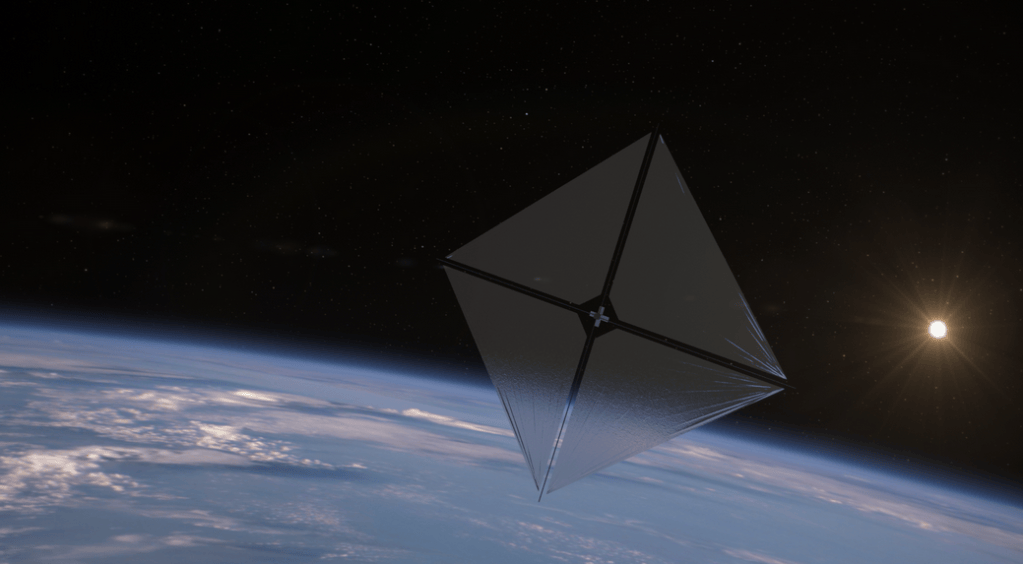
The solar sail technology uses sunlight for propulsion, relying on photons from the Sun to generate small bursts of momentum. Central to this process are composite booms made from a lightweight, temperature-resistant polymer material. These booms « work the same way as a sailboat’s boom, except they are designed to catch the propulsive power of sunlight rather than wind, » explains Gizmodo. Once unfurled, the solar sail stretches 30 feet (9 meters) per side, capturing the Sun’s rays and propelling the spacecraft forward.
Overcoming Earthly Limitations
Developing and implementing solar sail technology presents challenges, such as addressing material durability and sail deployment mechanisms. However, the potential benefits of solar sails for long-term, sustainable space exploration are significant. Gizmodo states, « If a spacecraft is able to surpass the drag from Earth’s atmosphere, it could potentially reach very high altitudes, » highlighting the unique advantages of this innovative technology.
Green Galaxies Ahead?
NASA’s solar sail technology represents a significant step towards a more eco-friendly future in space exploration. With continued research and development, solar sails may soon become a common sight in our journey to the stars, propelling us towards a greener, more responsible future in space.