
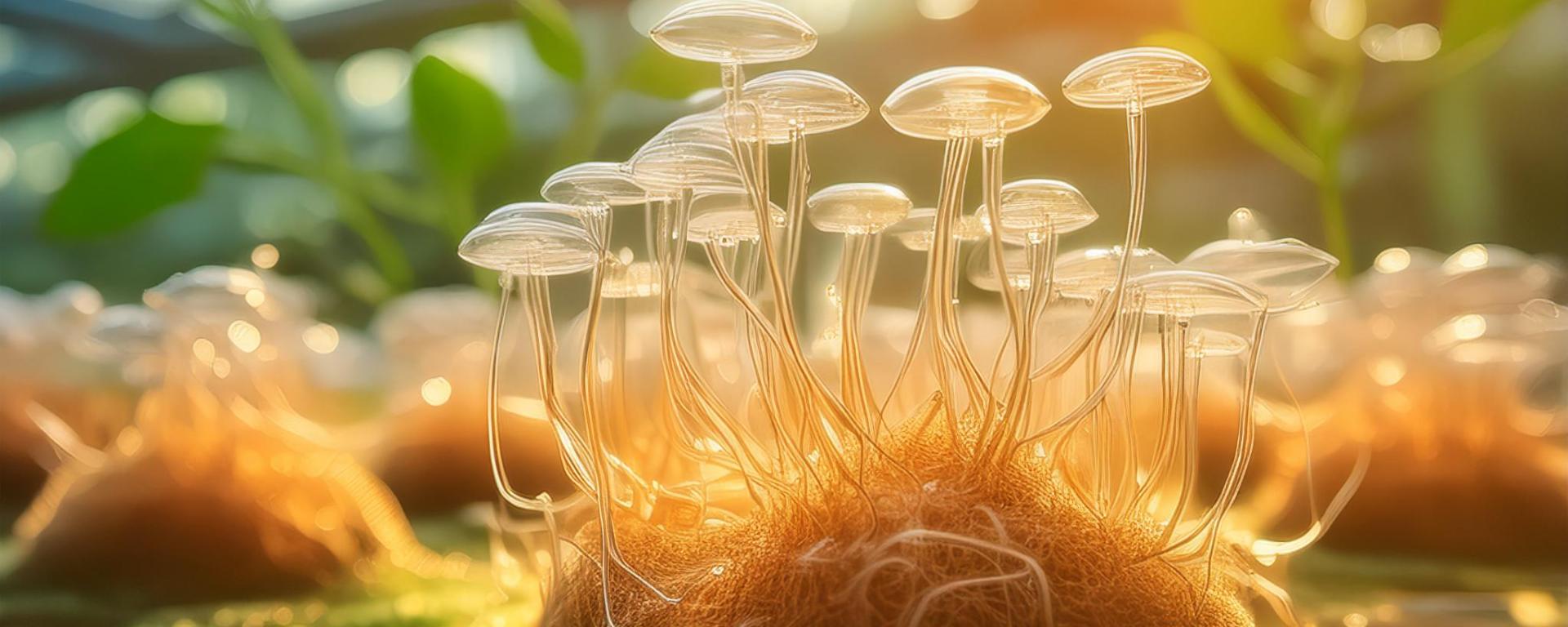
As reported by NBC Montana, a groundbreaking mission is underway to revolutionize agriculture in space. Garden City Fungi, in partnership with Florida Atlantic University (FAU), is leading the charge by harnessing the power of mycelium, the fungal root system, to create carbon dioxide essential for plant growth in space.
Space Fungi: The Cosmic Green Thumb
Dr. Todd Osmundson, leading the scientific efforts, is sequencing the fungus’s genome before and after its journey into space to observe potential changes caused by solar radiation. « One of the things we want to know is what is the effect of solar radiation on the genome of the fungus, » Osmundson explained to NBC Montana. This innovative approach could pave the way for sustainable food production beyond Earth’s atmosphere.
Ballooning into space
A recent high-altitude balloon mission marked a significant milestone in this ambitious endeavor. Reaching approximately 30 miles above Earth’s surface, the mission provided valuable insights into space agriculture. Glen Babcock, founder of Garden City Fungi, expressed his excitement about the project’s potential impact on space farming, telling NBC Montana, « We’re an integral part of space farming, and we’re looking forward to going back to space again. »
Space hurdles and future harvests
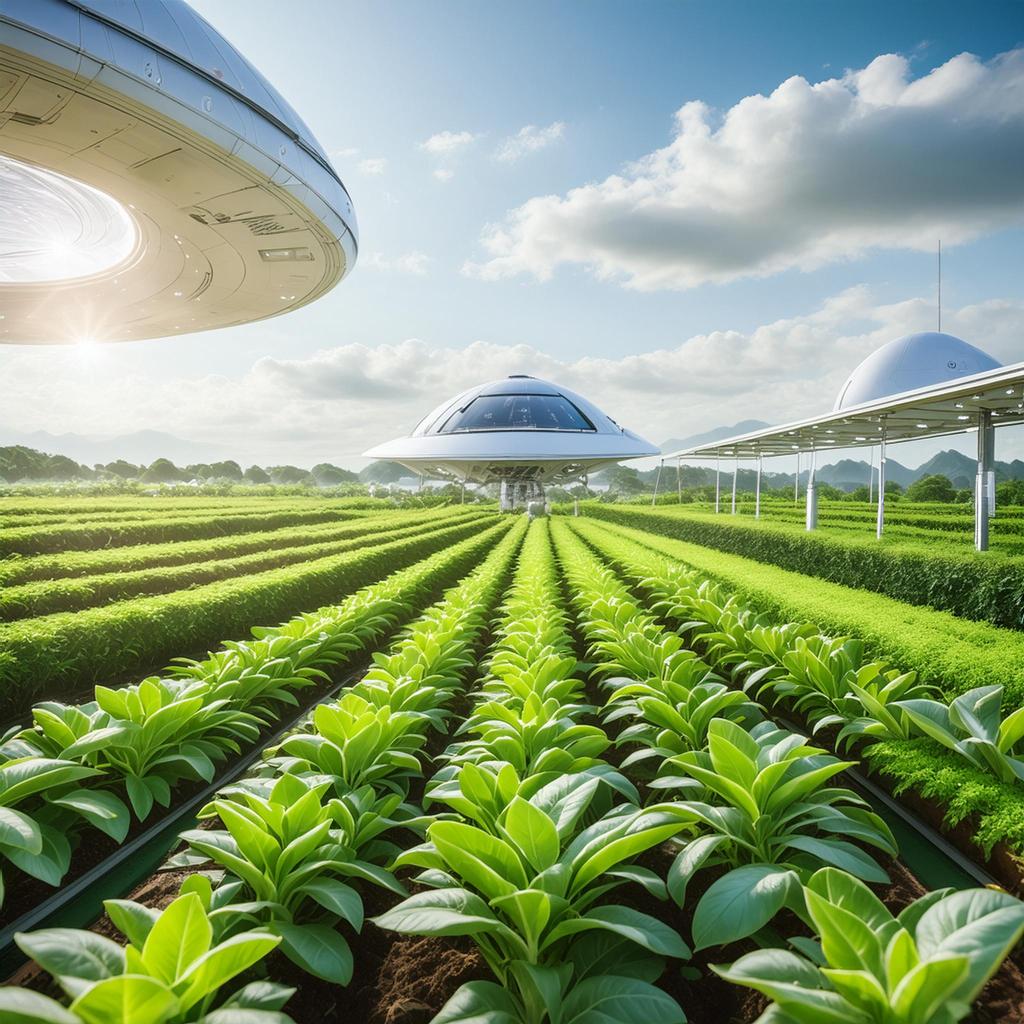
While the potential of space agriculture is exciting, it’s not without challenges. The unpredictable nature of space and its impact on the experiment’s results could pose a significant hurdle. However, Garden City Fungi and FAU are taking measures to mitigate these challenges, such as studying the effects of solar radiation and space conditions on mycelium and plants. Their commitment to understanding and adapting to these conditions is crucial for the success of space agriculture.
Garden City Fungi’s mission represents one interesting leap for sustainable food production beyond our planet, unlocking the potential of space agriculture and paving the way for a greener future among the stars.

