
As humanity sets its sights on establishing a permanent presence on the Moon, one of the major obstacles is how to power operations inside the permanently shadowed craters near the lunar poles. Despite harboring promising reserves of water ice and other resources, these areas remain shrouded in eternal darkness, preventing the use of solar power – the most abundant energy source available in space. Now, a team of innovative aerospace engineers may have found an ingenious solution.
Making the Moon’s Dark Side Glow
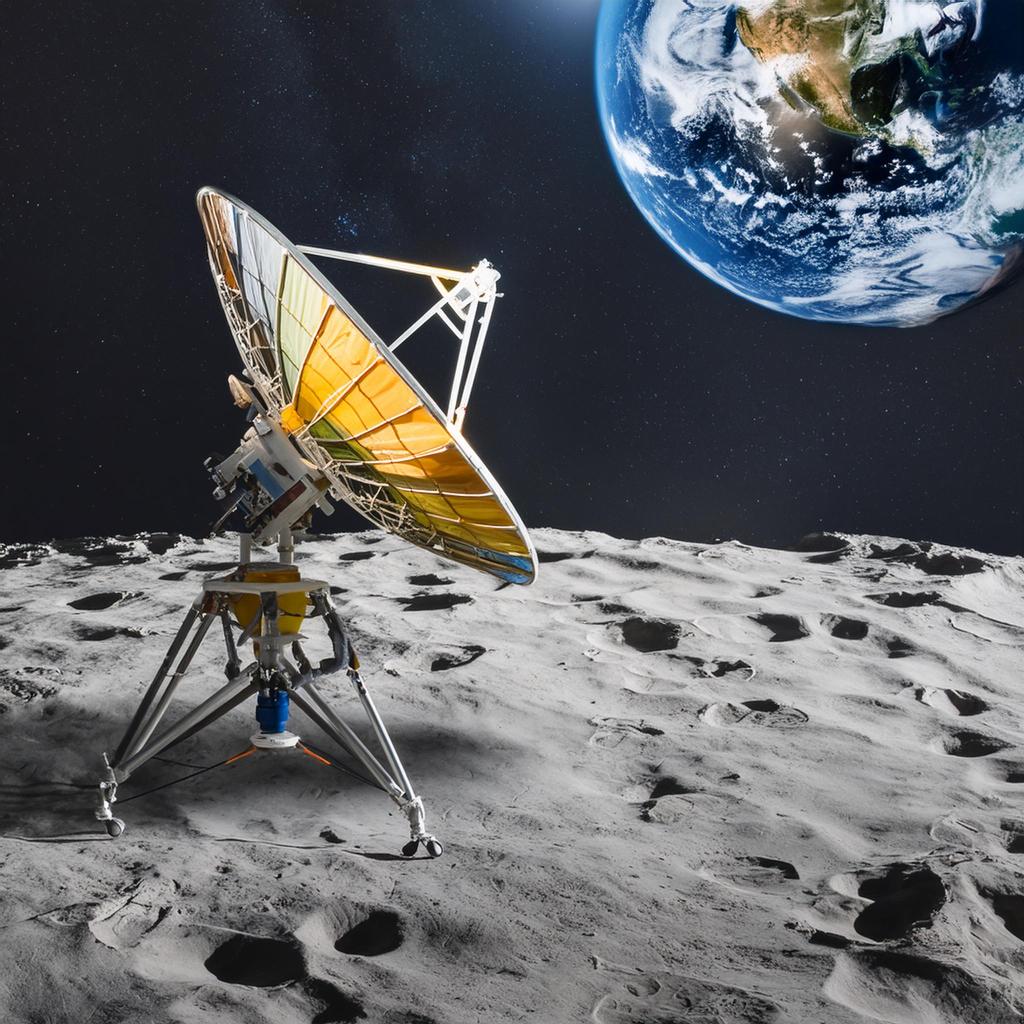
Researchers from Texas A&M University, in partnership with NASA’s Langley Research Center, are designing gigantic reflectors capable of redirecting sunlight into the depths of these lunar craters. « If you perch a reflector on the rim of a crater, and have a collector at the center, you are able to harness the solar energy by bending sunlight down into the depths, » Texas A&M University Engineering states.
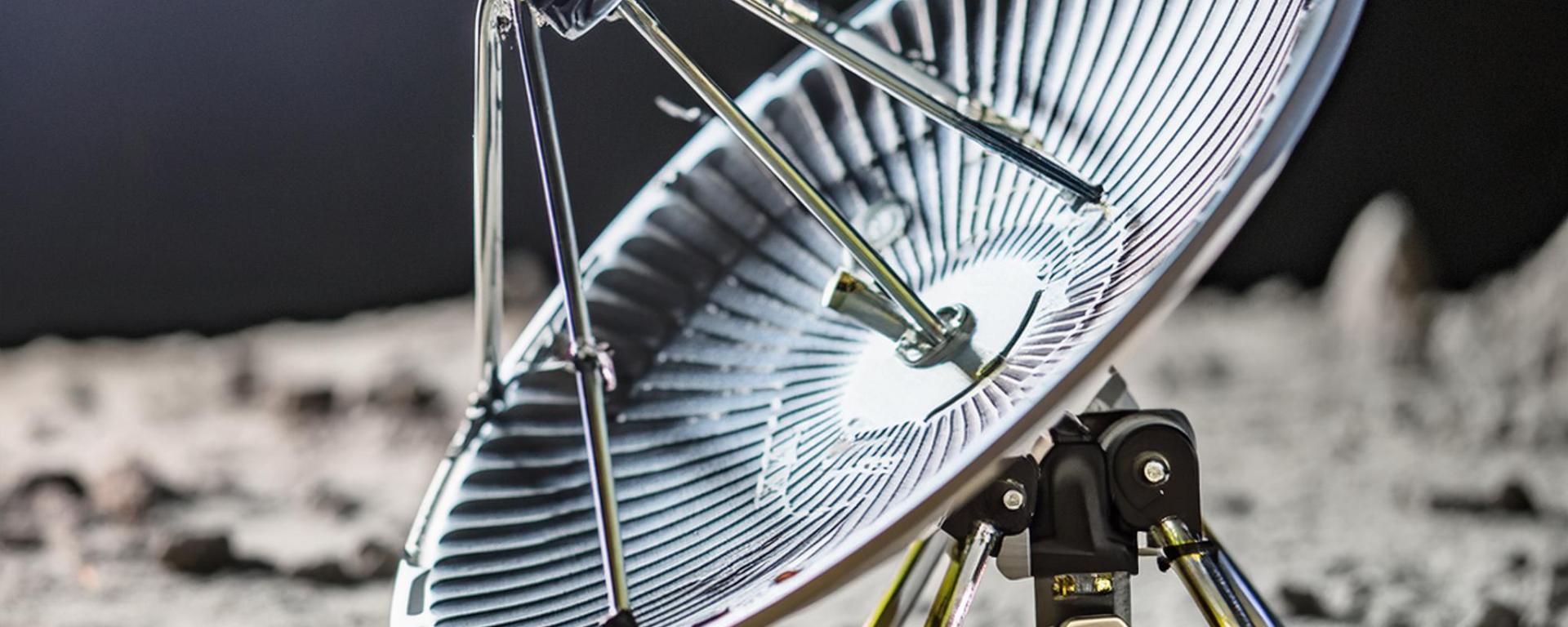
The team is using advanced computer modeling to evaluate different reflector shapes, with parabolic designs proving most effective at concentrating the sun’s rays. Models show that a parabolic shape is optimal for maximizing the amount of light reflected at the bottom of the craters.
Origami on the Moon
Compact for Launch, Colossal on the Surface: But designing a reflector system large enough to illuminate crater interiors while remaining compact enough for space travel is a significant engineering challenge. To overcome this, the researchers are leveraging shape-memory alloys – remarkable materials that can change shape in response to temperature variations.
« During space missions, astronauts may need to deploy a large reflector from a small landing system. That’s where we use shape memory materials, » Hartl explained. This ingenious design allows the reflectors to be stowed in a compact form during launch and then self-deploy into their full parabolic shape on the lunar surface.
Shining a Light on Sustainable Lunar Ops
The ability to generate solar power within these permanently shadowed craters has profound implications for establishing a sustainable human presence on the Moon. It could enable in-situ resource utilization, such as mining water ice to produce rocket propellant, slashing the high costs associated with launching supplies from Earth.
Continuously illuminated solar reflectors could also power robotic prospectors, science experiments, and even future human habitats within these foreboding crater environments.
The Lunar Crater Disco Ball
Looking ahead, these lunar reflectors could be the forerunners of a vast « constellation » of illumination systems spread across the Moon’s surface, powering resource extraction, manufacturing, and the construction of ambitious megastructures like space elevators and orbital rings.
If replicated on other celestial bodies like Mars or asteroids, these « sunlights » could overcome the harshest environmental constraints, allowing humanity to sustainably harvest the cosmos’ bounties and propel our multi-planet future.