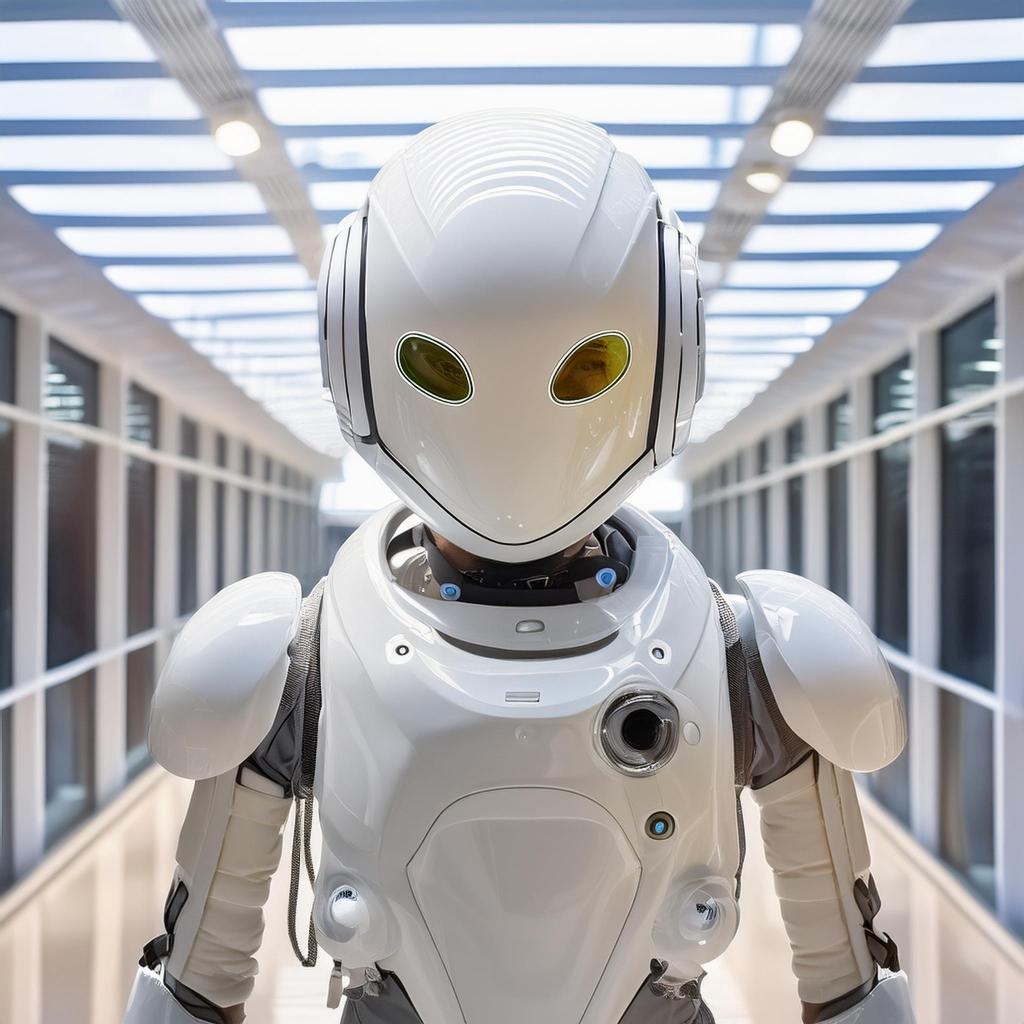
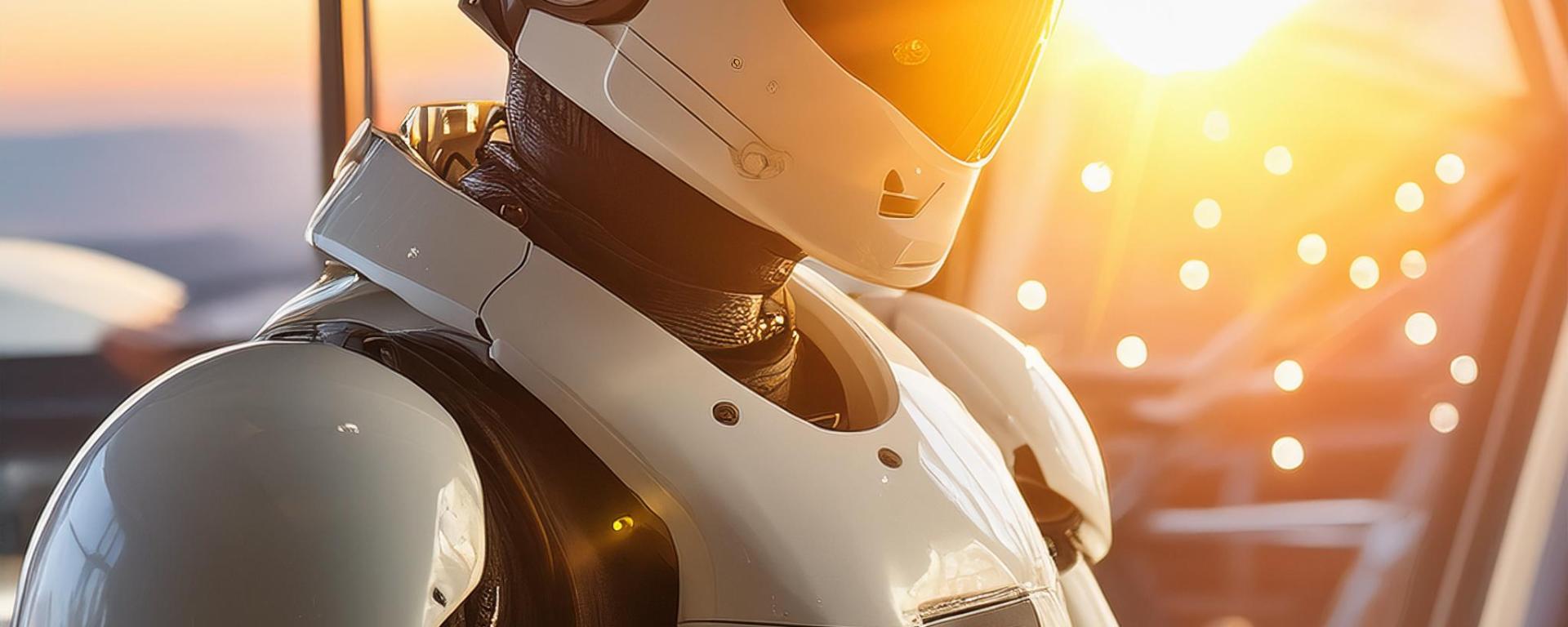
Imagine a tireless assistant that never sleeps, needs only sunlight, and can handle routine tasks in space. Meet Taikobot, the latest addition to China’s Tiangong Space Station, as reported by Interested Engineering.
This solar-powered humanoid robot, developed by the National University of Defence Technology in Changsha, is designed to assist astronauts and maintain the station when the crew is absent. With its cutting-edge technology, Taikobot aims to revolutionize the way space missions are managed, ensuring efficiency and sustainability.
Robotic Superpowers
But what makes Taikobot stand out in the realm of space robotics? Equipped with an anthropomorphic dual-arm system boasting six degrees of freedom, Taikobot can perform multiple tasks simultaneously. Its advanced sensors and cameras allow it to navigate the space station with precision, while its dexterous hands handle delicate operations akin to a human’s touch.
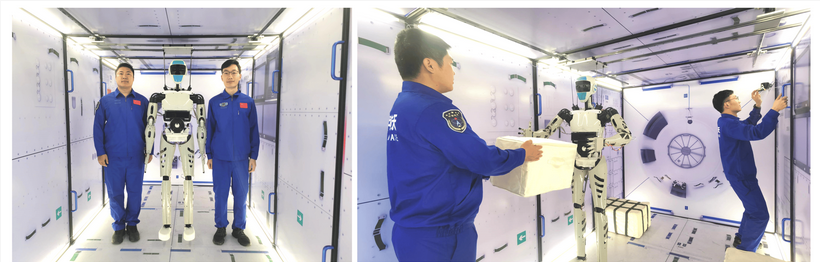
These features not only enhance its ability to assist with everyday tasks but also make it a versatile tool for various maintenance and operational duties on the station. “The experiments show that Taikobot can do some simple and repetitive tasks along with astronauts and has the potential to help astronauts improve their onboard working efficiency,” explains the Taikobot team in a paper.
Rigorously Tested
From conception to near reality, Taikobot has undergone rigorous testing. Extensive trials in a mockup of the Tiangong Space Station on Earth have prepared it for the harsh conditions of space. This thorough testing process is crucial, especially considering past experiences with space robots.
This highlights the importance of reliability, which Taikobot aims to achieve through its comprehensive testing and advanced design. The development team stated, “Compared with human astronauts that require a complex array of machinery to live in space, robotic assistants are capable of working 24/7 and consume only solar energy,” stated the team.
Looking ahead, the deployment of Taikobot opens new horizons for space missions. As space exploration becomes more ambitious, robots like Taikobot could take over routine tasks, allowing astronauts to focus on more complex scientific and exploratory work.