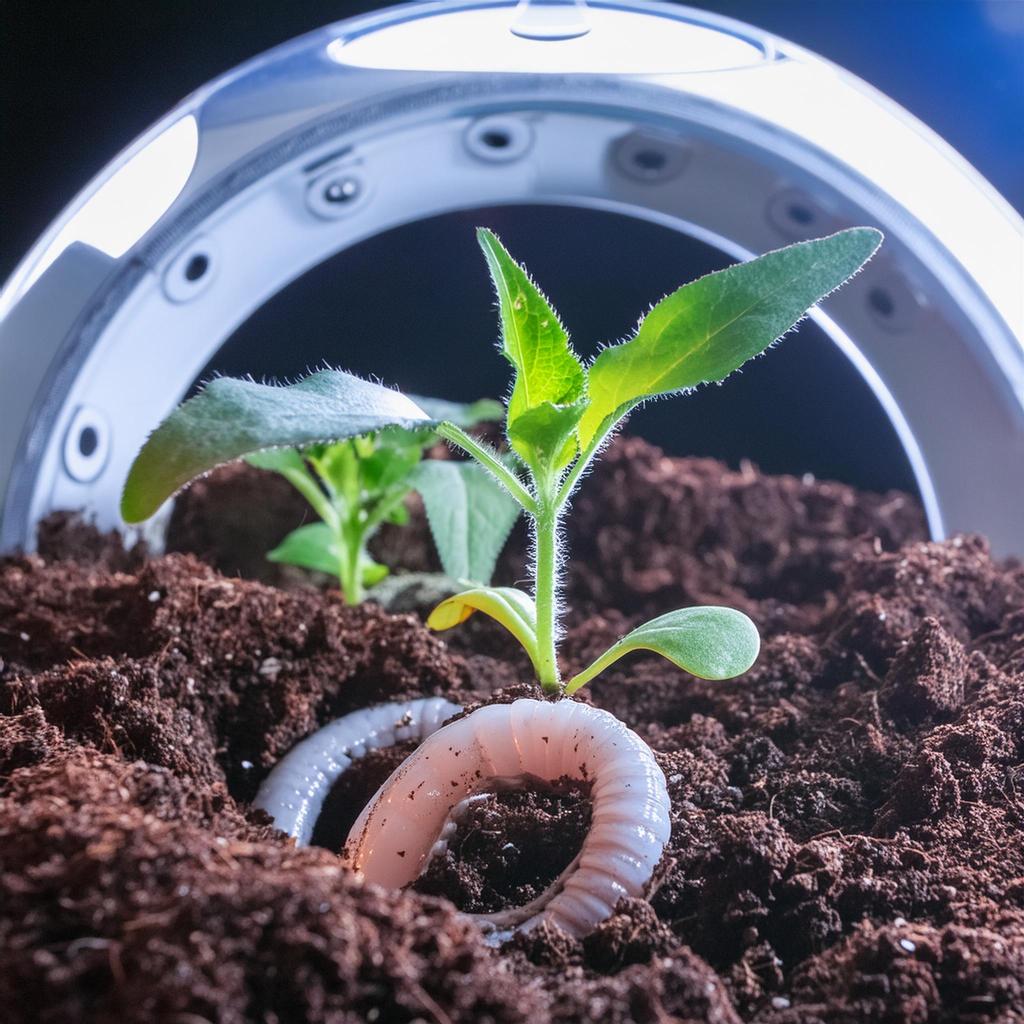

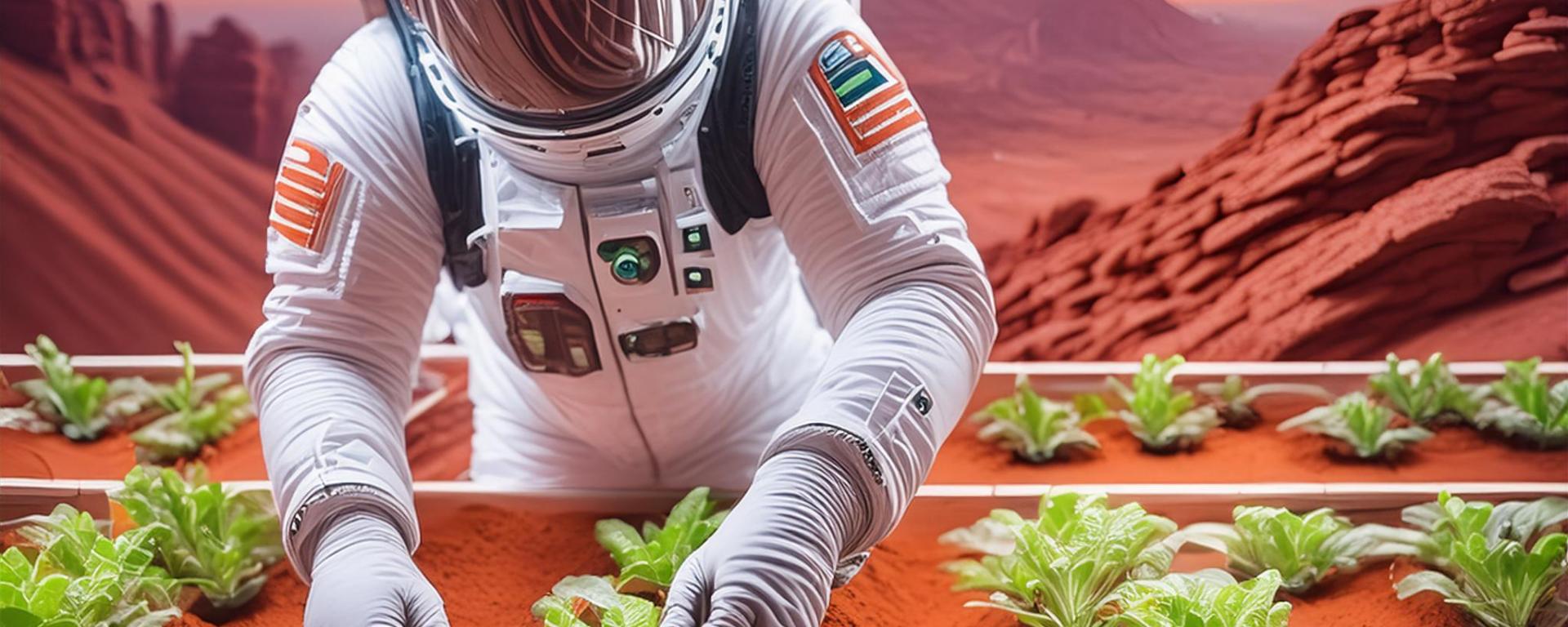
In the quest to establish sustainable human outposts on the Moon and Mars, an unexpected ally has emerged from the dirt beneath our feet – the humble earthworm. According to research highlighted by Ambrook Research, scientists are experimenting with leveraging these wriggly creatures and soil fungi to enable growing crops directly in extraterrestrial regoliths.
No Martian junk food
A key challenge to cultivating plants on the Moon or Mars is the lack of organic matter and microbial life crucial for fertile soil on Earth. However, studies show earthworms can help overcome this by consuming organic waste and transforming it into nutrient-rich fertilizer through their excretions containing beneficial bacteria.
« The fact that we could even get them to produce seed in 75% lunar regolith simulant was just unheard of, » declared researcher Jess Atkin of Texas A&M University to Ambrook Research, describing her groundbreaking experiments growing chickpeas in simulated lunar soil amended with worms and fungi.
Worms to the Wormy Rescue!
But the benefits don’t stop at fertilization. Worms can also help reduce levels of toxic aluminum and heavy metals that plague Mars soil simulants in particular. As Ambrook Research explains, « After just four weeks, they got the levels of aluminum to decrease by, I think, an insane amount, » according to student Annalyn Connor who studied worm survival in simulated Martian dirt.
The broader implications are immense – worms could be key to « terrestrializing » hostile planetary environments, allowing permanent human settlements to be established.
Squirm mates incoming
While promising, significant research still needs to be done before vigorously wiggling worm ranches become space reality. Optimizing species, ratios, verifying safety of crops for consumption, and testing beyond just chickpeas are all vital next steps.
« I think it’s going to be important if we’re going to grow terrestrial crops to use all the tools that we have on Earth, » Atkin emphasized to Ambrook Research.
If this innovative earthworm research pans out, future astronauts tilling extraterrestrial fields may find themselves sharing cramped quarters with writhing partners – a small price for sustainably expanding humanity’s presence in line with NASA’s ambitious Artemis lunar program and aspirations for crewed missions to Mars in the coming decades.