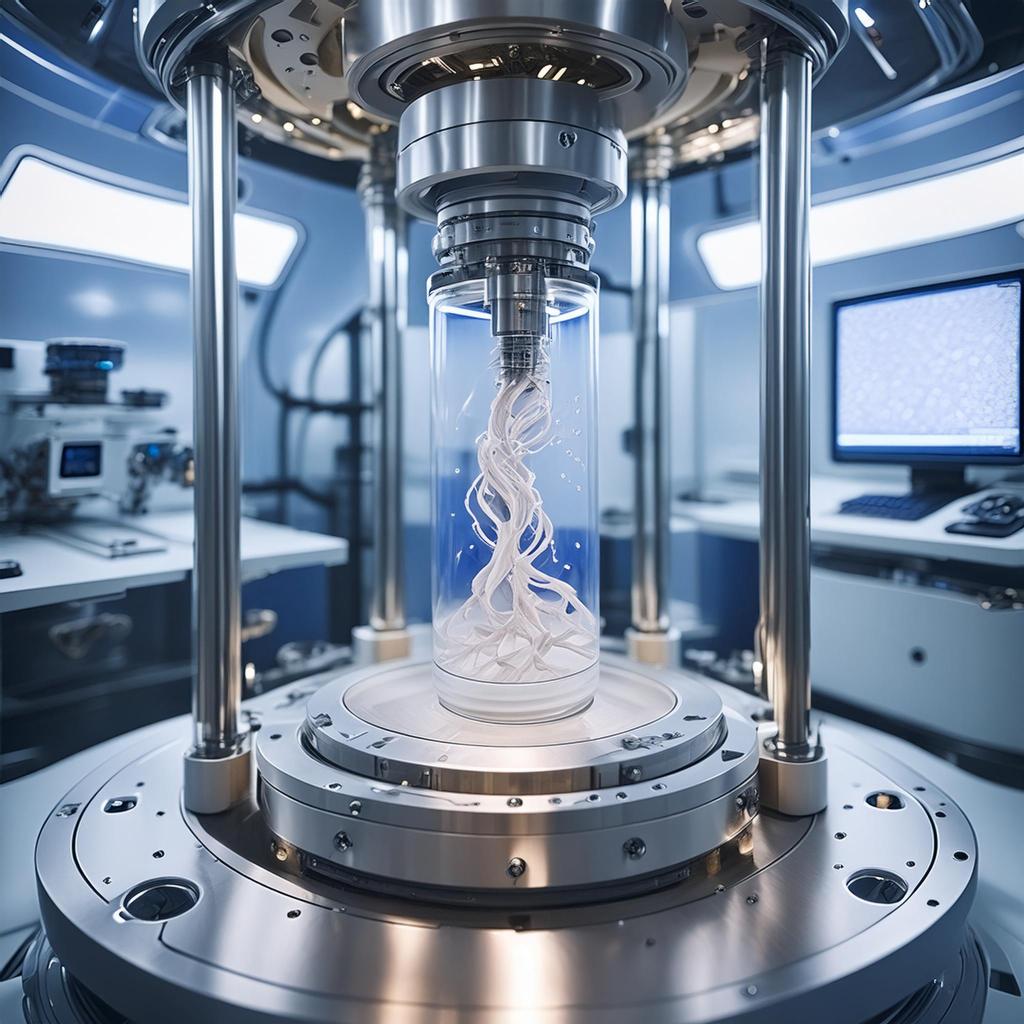

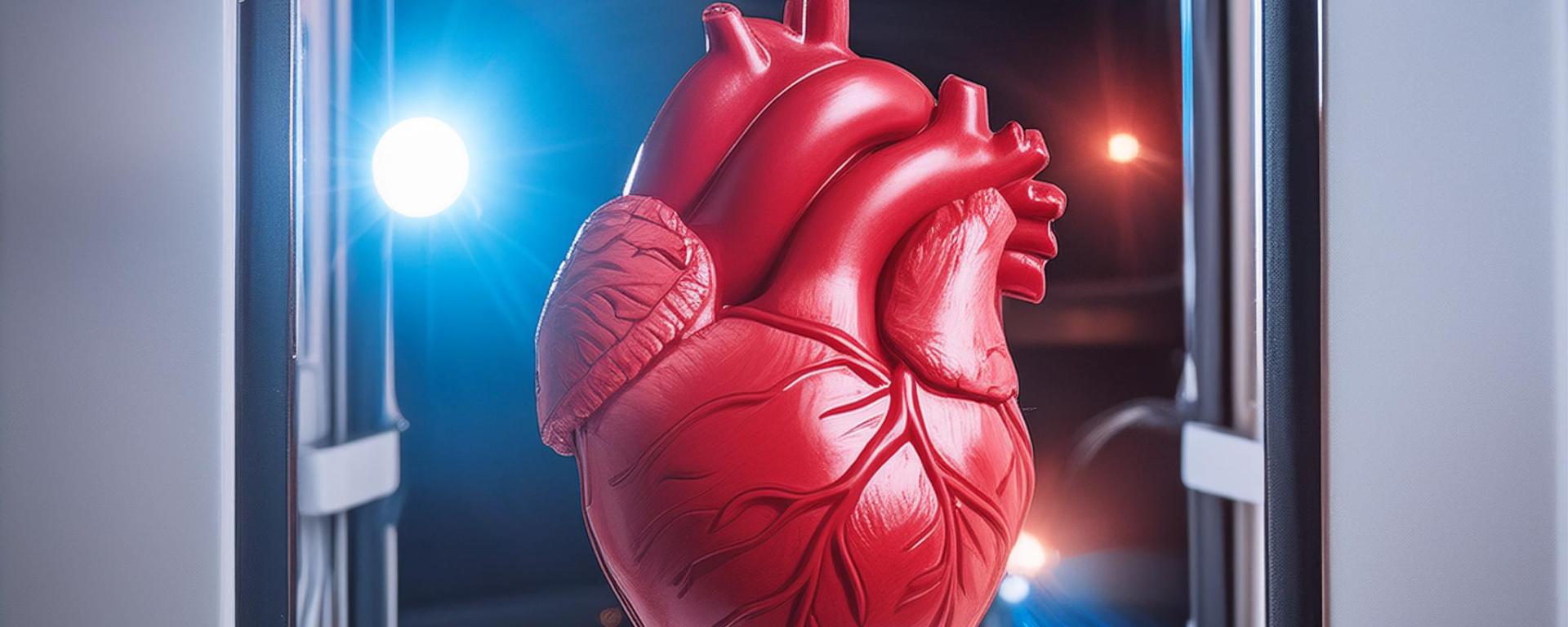
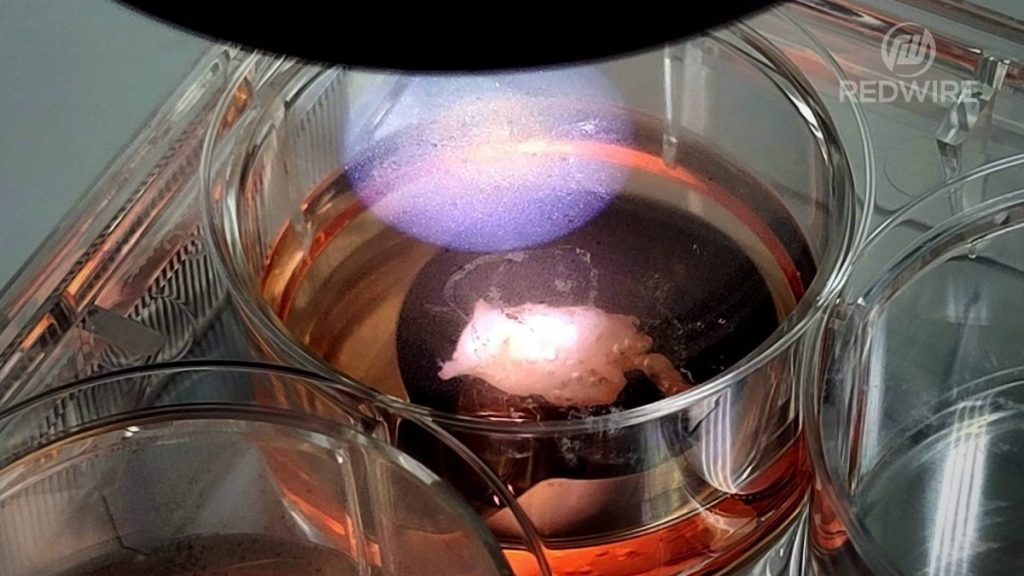
When the SpaceX Dragon landed on April 30, it wasn’t just returning cargo; it was delivering a medical marvel from the stars. Among the 4,100 lbs. of cargo was a tiny blot of cells—the first living cardiac tissue to be bioprinted in space, explains the media Payload.
This pioneering achievement was made possible by a biofabrication module developed by Redwire Space, installed on the International Space Station (ISS) last year. As heart disease continues to be the world’s leading cause of death, this breakthrough offers a glimmer of hope for future treatments and organ transplants.
Gravity? Who needs it?
Microgravity plays a crucial role in this success, providing a unique environment that allows for more accurate replication of the 3D structures found in natural tissues. The biofabrication module had already demonstrated its capabilities by printing an artificial meniscus.
Now, with the successful production of cardiac tissue, the potential applications for space-based bioprinting are expanding. “Growing the organs in microgravity can make it easier to replicate the 3D structure of natural tissue,” explains Payload. This advancement not only pushes the boundaries of medical research but also paves the way for further innovations.
Printing Hearts, No Big Deal
Space medicine revolution: The practical applications of space-bioprinted tissues are vast, particularly in treating heart disease. Researchers are eager to develop artificial tissues that can repair injured hearts and, eventually, create transplantable organs. Redwire’s next ambitious goal is to bioprint human blood vessels in space, which would mark another significant leap forward.
However, there are challenges to consider. The feasibility and cost-effectiveness of producing medical treatments in space are still under scrutiny. Despite the promise of this technology, critics argue that such high-tech solutions may not be practical for widespread use.
The final frontier of biotech
Looking ahead, Redwire aims to establish reliable production of biological products in microgravity, striving towards large-scale commercial biotech services in orbit. Their recent success with growing pharmaceutical crystals in space, in collaboration with Eli Lilly, underscores the potential for space-based research to revolutionize medicine. “These are extraordinary scientific achievements that bring us closer to reliable, large-scale commercial biotech services on orbit,” Redwire In-Space Industries President John Vellinger told Payload.
As space becomes a new frontier for medical innovation, the challenge remains to ensure these advancements benefit all of humanity, not just those who can afford them.