As humanity looks to return to the moon, one question looms large: How much water is necessary for a self-sustaining lunar base? According to a study from Baylor University, highlighted by Universe Today in Phys.org, the answer is both fascinating and complex. Researchers have delved into the intricacies of water management for a moonbase, revealing the technology and strategies needed to sustain life far from Earth.
Water Management Innovations
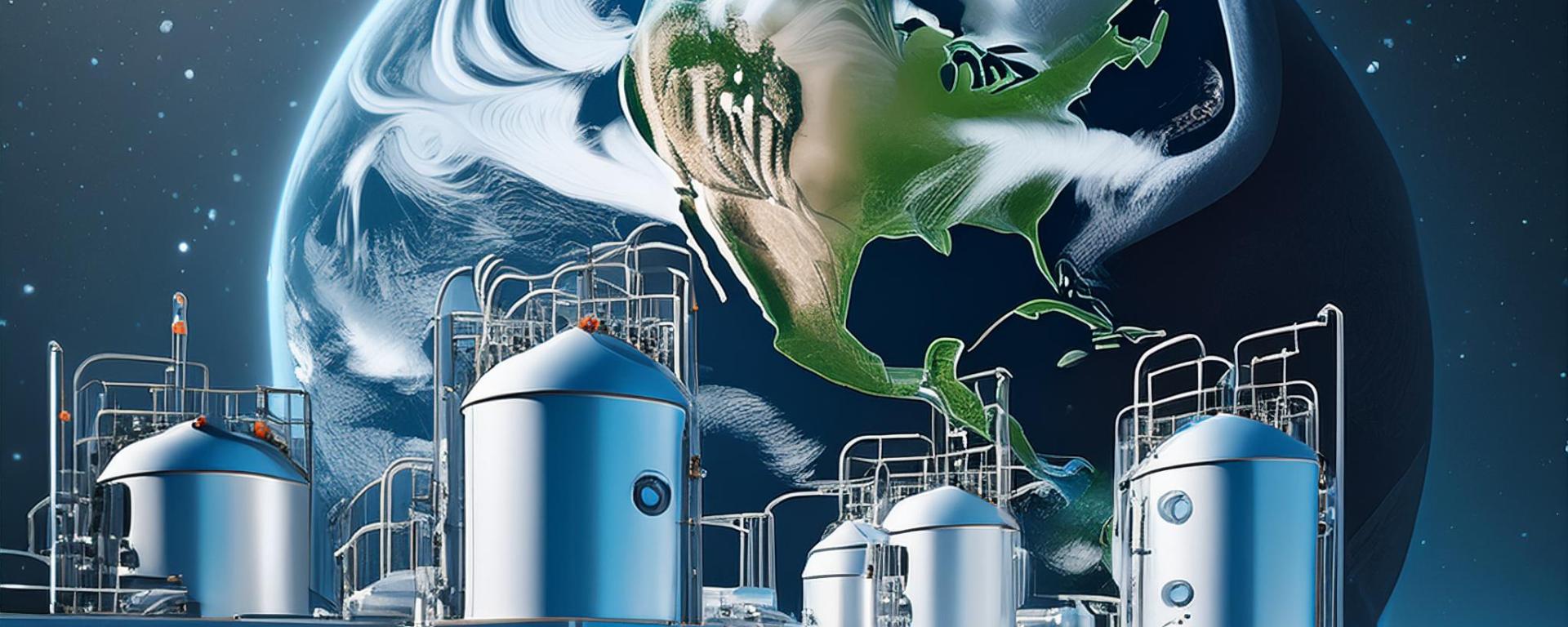
Water is vital for survival, but transporting it from Earth to the moon is not feasible in the long term. The study suggests that a lunar base near the Shackleton-de Gerlache Ridge, close to the lunar south pole, would be ideal. This location offers access to water ice deposits in permanently shadowed regions. Here, cutting-edge technology could convert this ice into water vapor, a crucial step since liquid water cannot exist on the moon’s surface. “If human missions throughout the solar system, particularly to Mars, are to be realized, then a permanent lunar facility seems to be a logical early step,” Dr. Jeffrey Lee told Universe Today.
DIY Water?
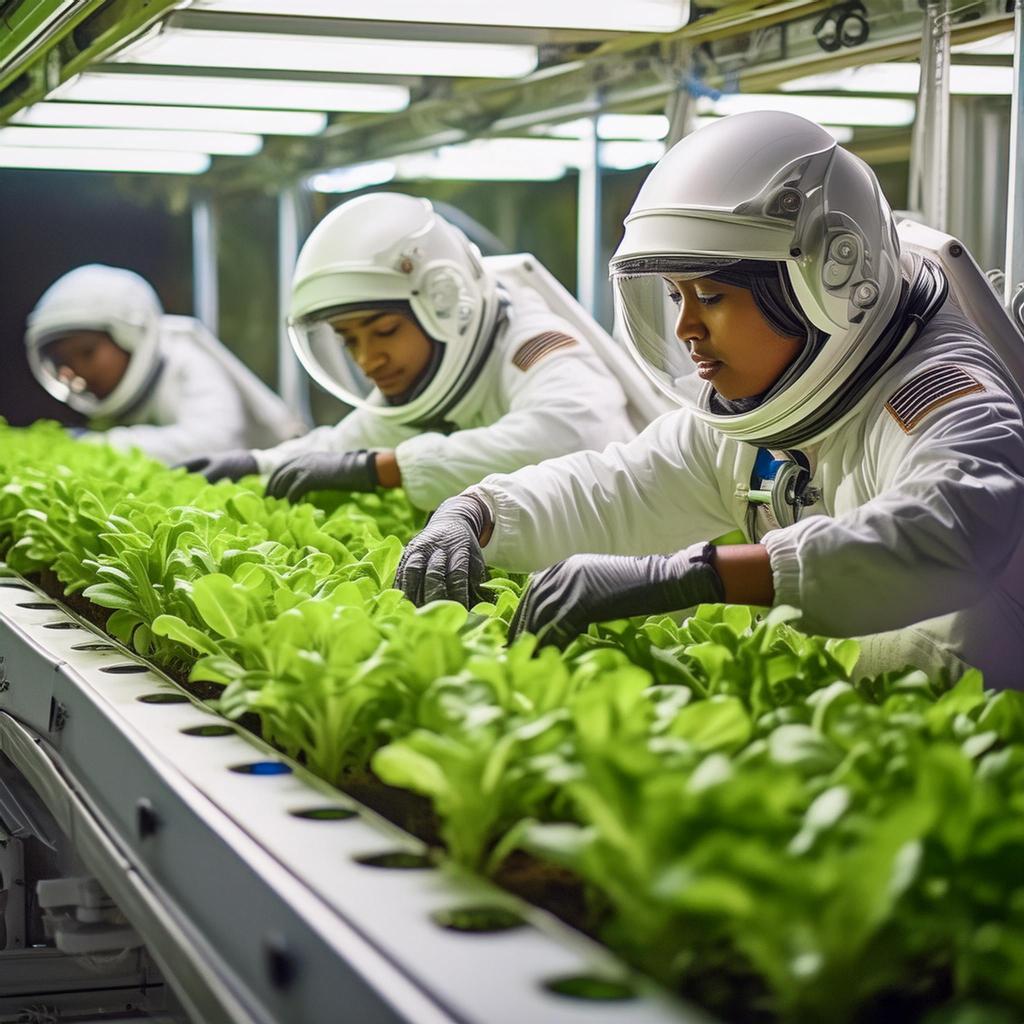
Managing this precious resource involves using in-situ resource utilization (ISRU), which means leveraging local resources to reduce reliance on Earth’s supplies. This approach is key to ensuring sustainability. For a base housing 100 people, the study estimates a need of over 15 million liters of water annually for human consumption alone, with agricultural needs pushing the total requirement significantly higher. “There is good evidence that the acquisition, treatment, and distribution of the lunar water can be achieved with current technology,” Dr. Lee explained to Universe Today.
H2-Oh No! The Real Cost of Moon Water
Thirsty Much? But challenges remain. Extracting and treating lunar water to make it safe for drinking, cooking, and cleaning requires advanced technology. The study breaks down the requirements: 15,200 cubic meters for human needs, 89,000 cubic meters for agriculture, and 2,500 cubic meters for technical uses. These figures highlight the immense scale of the task ahead.
Moon Water Woes?
A counter-example shows the potential pitfalls. If the ISRU technology fails or water reserves are overestimated, the moonbase could face critical shortages. This underscores the importance of robust systems and contingency plans. However, the study remains optimistic, suggesting that successful lunar water management could offer valuable lessons for improving water use on Earth.
Looking ahead, mastering these technologies on the moon could pave the way for deeper space exploration. A sustainable lunar base might serve as a launchpad for missions to Mars and beyond, ensuring humanity’s presence in the solar system. As NASA’s Artemis program aims to return humans to the moon, the findings of this study provide a blueprint for a sustainable and self-sufficient future in space.