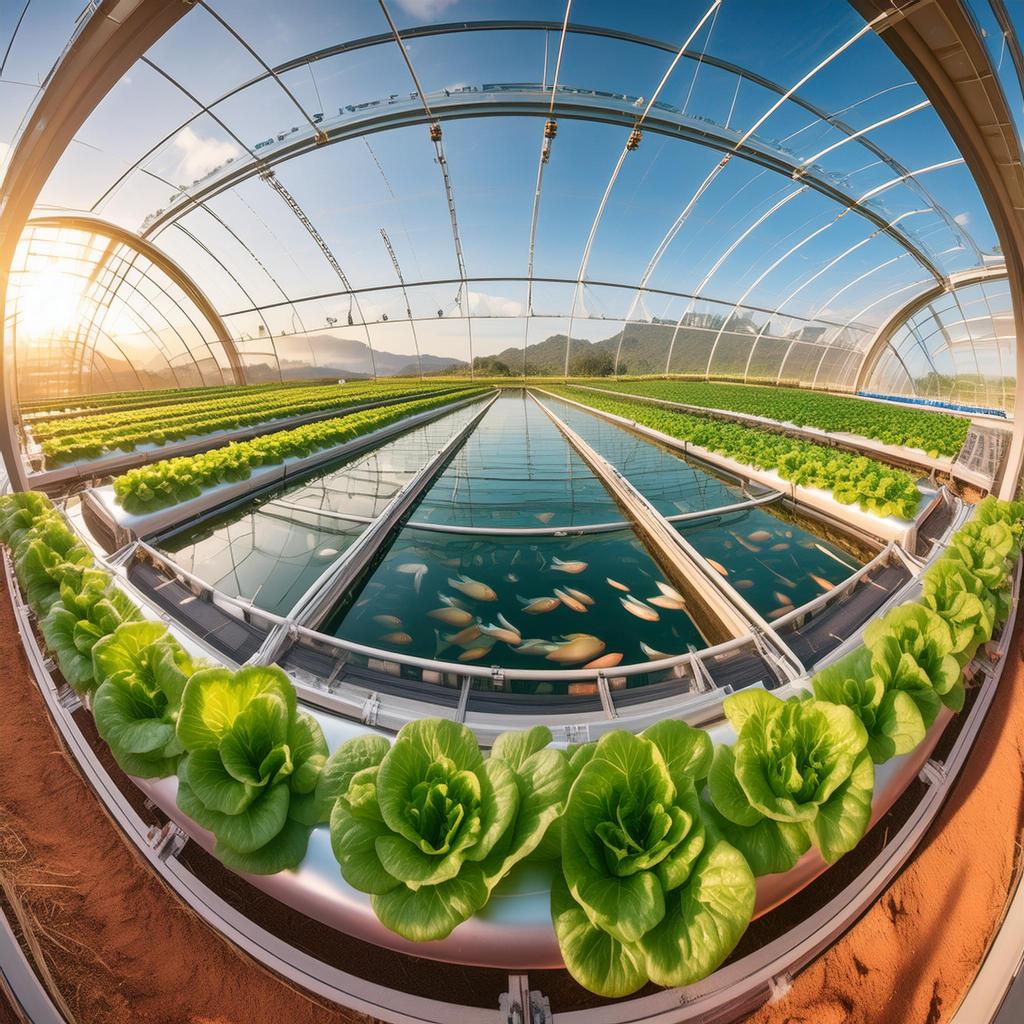

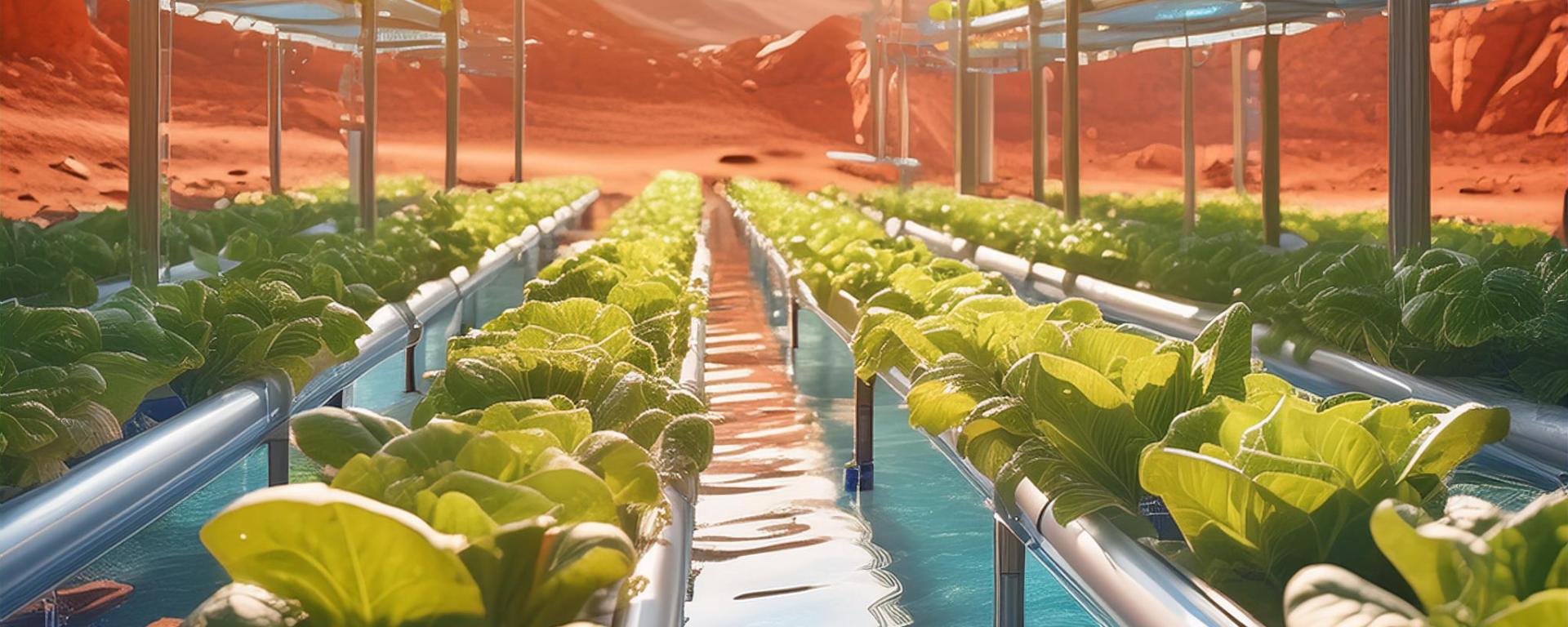
Imagine biting into fresh fish and chips on Mars—sounds like science fiction, right? But thanks to innovative research led by Benz Kotzen and his team at the University of Greenwich, reported in The Conversation, this could become a reality. The team has developed an aquaponics system that combines fish farming (aquaculture) and plant cultivation (hydroponics) to create a self-sustaining food source for future Martian residents.
Fish and Chips on Mars?
The aquaponics system is designed to address the unique challenges of Martian agriculture. It uses nutrient-rich water from fish tanks to fertilize plants, making it a closed-loop system. This approach not only recycles water but also enriches it with nutrients from fish waste, which is then used to treat Martian regoliths.
Martian regoliths are mineral-rich but devoid of organic material, so treating them with fish water makes them a viable medium for plant growth. “Nutrients from the fish water can not only be used to grow plants in the hydroponic parts of the aquaponic system but also potentially in the Martian regoliths,” explains The Conversation.
Growing Martian Greens
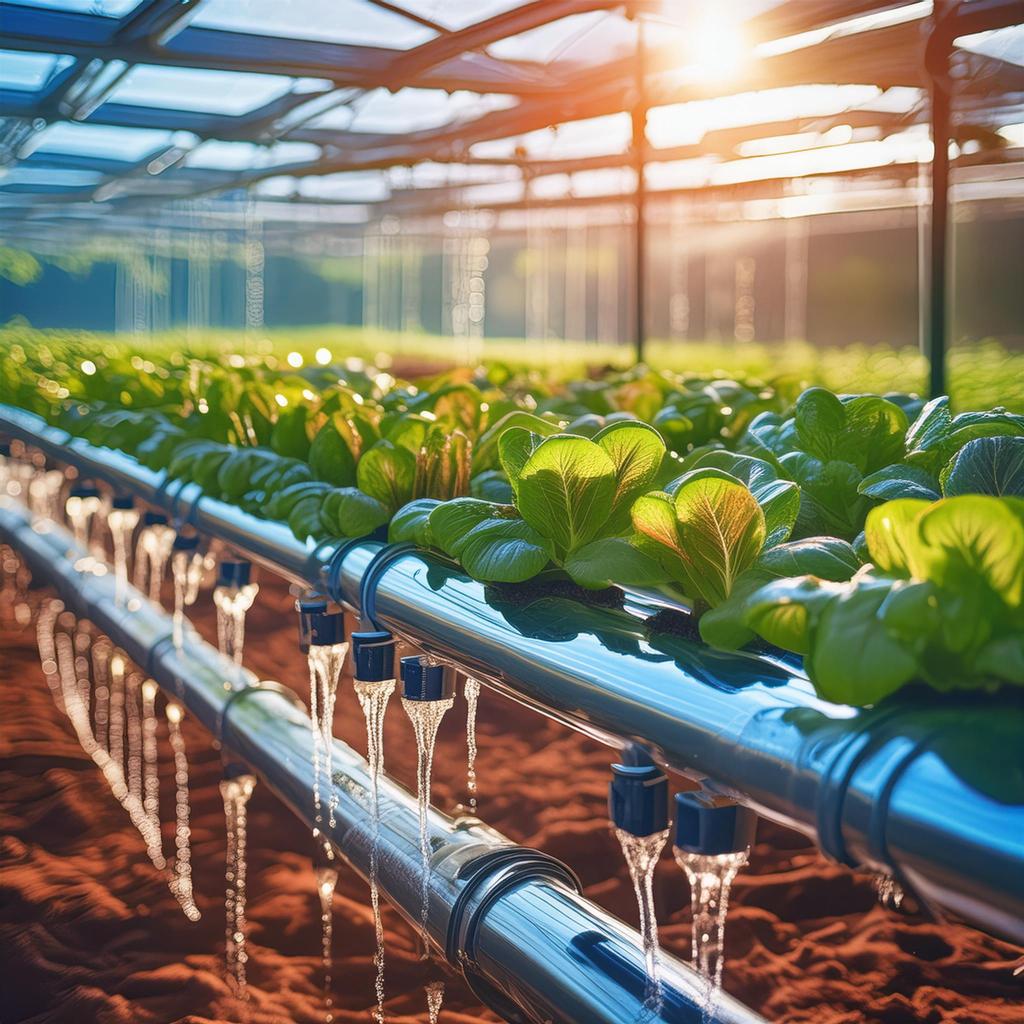
The research team successfully grew potatoes, tomatoes, and other vegetables in simulated Martian soil treated with fish water. This success demonstrates the potential of sustainable practices on Mars. Additionally, they explored using alternative fish feeds like algae and black soldier fly larvae, which could be produced on Mars. “We successfully grew potatoes, tomatoes, dwarf beans, carrots, lettuce, spring onions, chives, and basil in plant pots containing simulated Martian regoliths, where nutrients were added with the fish water,” Benz Kotzen declared to The Conversation.
However, there are ethical concerns and challenges with introducing Earth’s life forms to Mars, suggesting the need for responsible space exploration.
Earth’s Aquaponics Revolution
This research has significant implications for Earth as well. The aquaponics system can be used in arid regions to create sustainable food sources, conserving water and producing organic crops without the need for chemical fertilizers. By developing these innovative techniques, we not only prepare for human survival on Mars but also enhance agricultural practices on Earth, ensuring a sustainable future for both planets.