
n a groundbreaking development that sounds like science fiction, the European Space Agency (ESA) has announced a technological leap that could see everyday waste orbiting Earth. ESA and Côte D’Azur University researchers have successfully created 100% bio-based composites for space applications, potentially revolutionizing the sustainability of space exploration.
One man’s trash, another satellite’s treasure
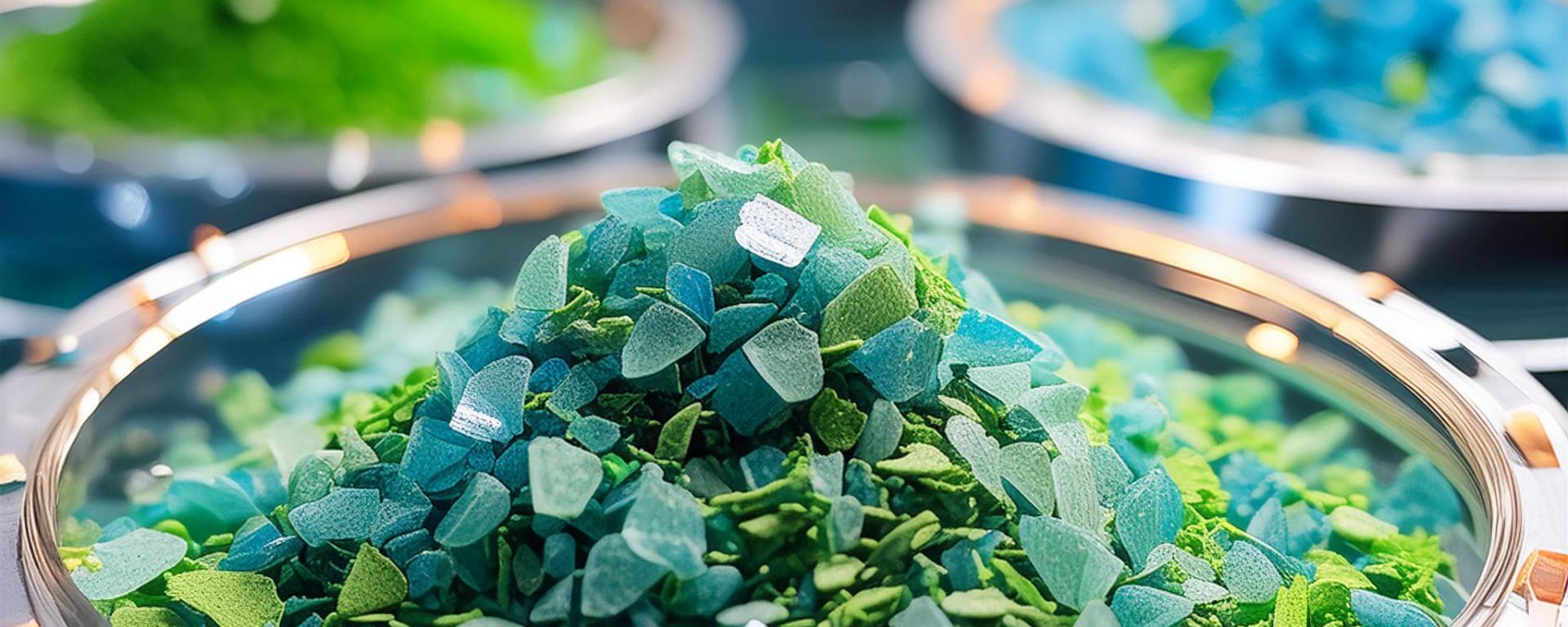
This innovative project transforms industrial and natural waste – including fruit peels, sawdust, and beach-strewn algae – into high-performance space-grade materials. « We didn’t want to grow new crops for this specific purpose, but we wanted to use what already exists in nature or what is already existing as waste, » ESA materials engineer Ugo Lafont told ESA. This approach not only reduces reliance on non-renewable resources but also addresses growing waste management concerns.
Cosmic Composting: When Space Meets Sustainability
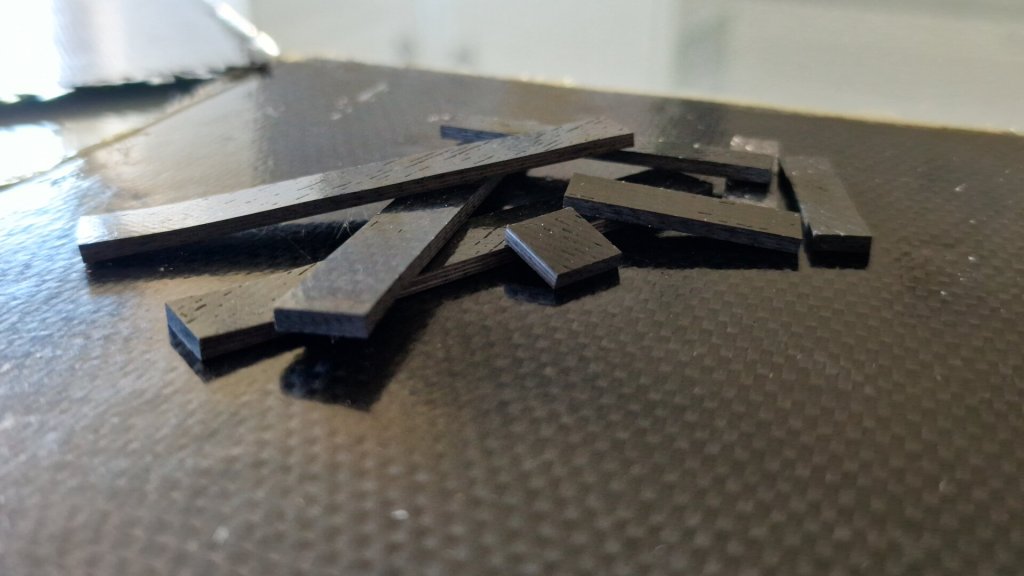
Space junk no more: Unlike traditional composites, these bio-based alternatives offer a unique feature: recyclability. Through chemical processes, the resins can be broken down and reused, creating a second generation of space-worthy materials. This capability starkly contrasts with conventional composites, which often become non-recyclable waste. By enabling a circular economy in space technology, this innovation could substantially reduce the space industry’s environmental footprint both on Earth and in orbit.
As the project progresses towards commercial production, it heralds a new era of sustainable space activities. Professor Alice Mija of the Nice Institute of Chemistry at Côte D’Azur University emphasized to ESA, « We should be more responsible with space. A more sustainable space industry is of major importance to avoid the pollution of space environments as well as of our home planet. » This breakthrough could significantly alter how we approach space exploration, potentially leading to satellites and spacecraft components made from yesterday’s waste.