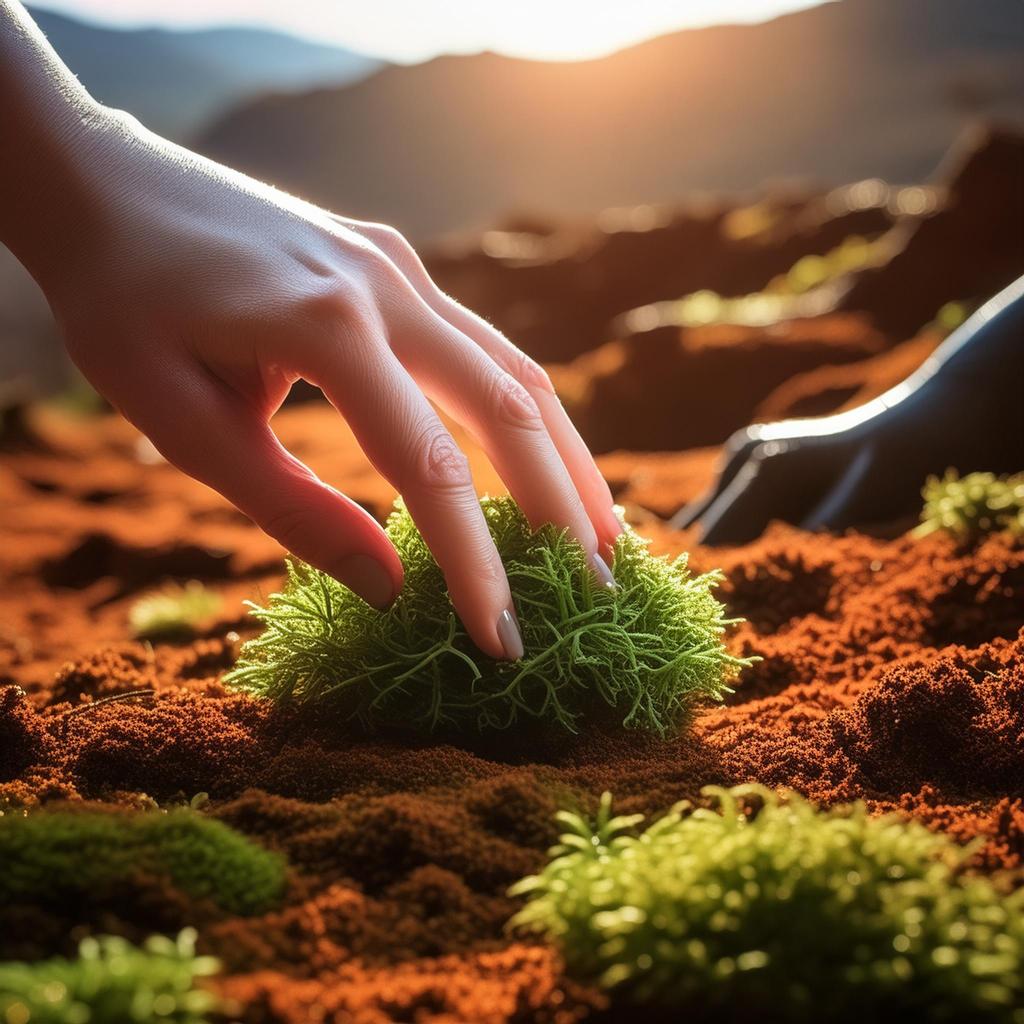
Could a humble desert moss be the key to transforming Mars into a livable planet? According to a recent study published by Chinese scientists and reported by Space.com, the resilient desert moss Syntrichia caninervis (S. caninervis) may hold the potential to terraform Mars.
This moss, known for thriving in extreme environments from Tibet to Antarctica, has shown remarkable resilience in conditions that mimic those found on Mars. S. caninervis can endure high doses of gamma radiation, low oxygen levels, extreme cold, and severe drought, making it a prime candidate for creating a habitable environment on the Red Planet.
Superpowers of a Tiny Moss
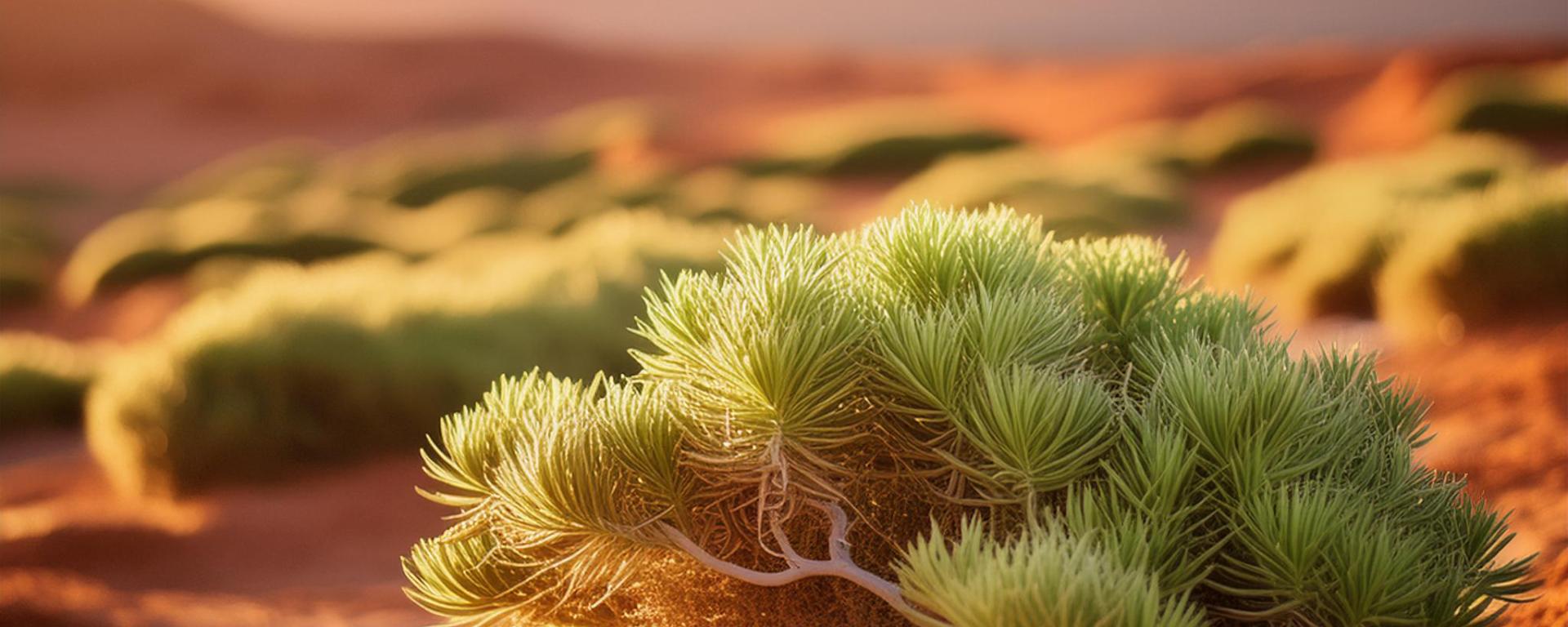
S. caninervis boasts unique morphological features that allow it to survive in such harsh conditions. Its twisted leaves minimize surface area, conserving water and reducing transpiration, while providing efficient photoprotection against intense UV radiation and extreme temperatures. The moss can enter a state of « selective metabolic dormancy, » preserving vital metabolites for rapid recovery when favorable conditions return.
This ability to « dry without dying » and bounce back even after losing over 98% of its water content, or being stored at extreme temperatures, underscores its potential for enriching Mars’s rocky surface to support other plant life. “The multi-layered tolerance [provides] protection under stressful conditions and enables rapid cellular repair and the recovery of physiological activity when conditions suitable for growth arise,” explain the scientists, as reported by Space.com.
Terraforming Mars: The Ethical Dilemma
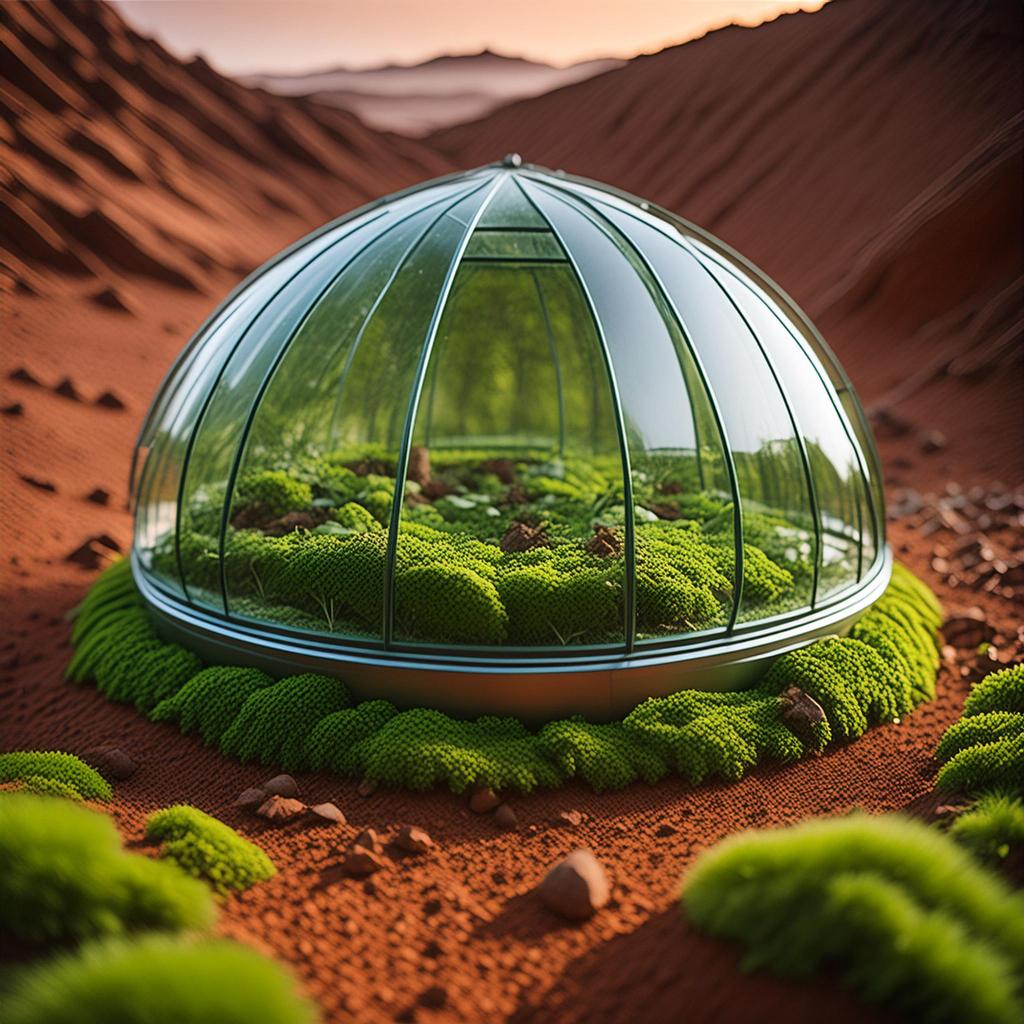
The broader implications of using moss like S. caninervis for terraforming are significant. Its stress tolerance, capacity for photoautotrophic growth, and ability to produce substantial biomass under challenging conditions make it an attractive option for scientists aiming to establish sustainable human habitats on Mars. However, alternative approaches using algae and lichens have also been explored, highlighting the ongoing debate over the best method for terraforming.
Despite these benefits, ethical concerns loom large. Astrophysicist and NASA researcher Erika Nesvold raises serious questions about the moral implications of such projects, cautioning that terraforming might destroy any existing Martian ecosystems. « The goal of terraforming is to intentionally create an entire ecosystem on a global scale, which would more than likely destroy any existing ecosystem, » she wrote, as reported by Space.com.
Nesvold questions whether we should proceed with terraforming efforts before confirming the absence of extraterrestrial life on Mars. Her perspective calls for a careful balance between technological advancements and ethical responsibilities. As we stand on the cusp of potentially transforming another planet, the challenge lies in ensuring that our pursuit of new habitats in space does not come at the cost of destroying unknown ecosystems.