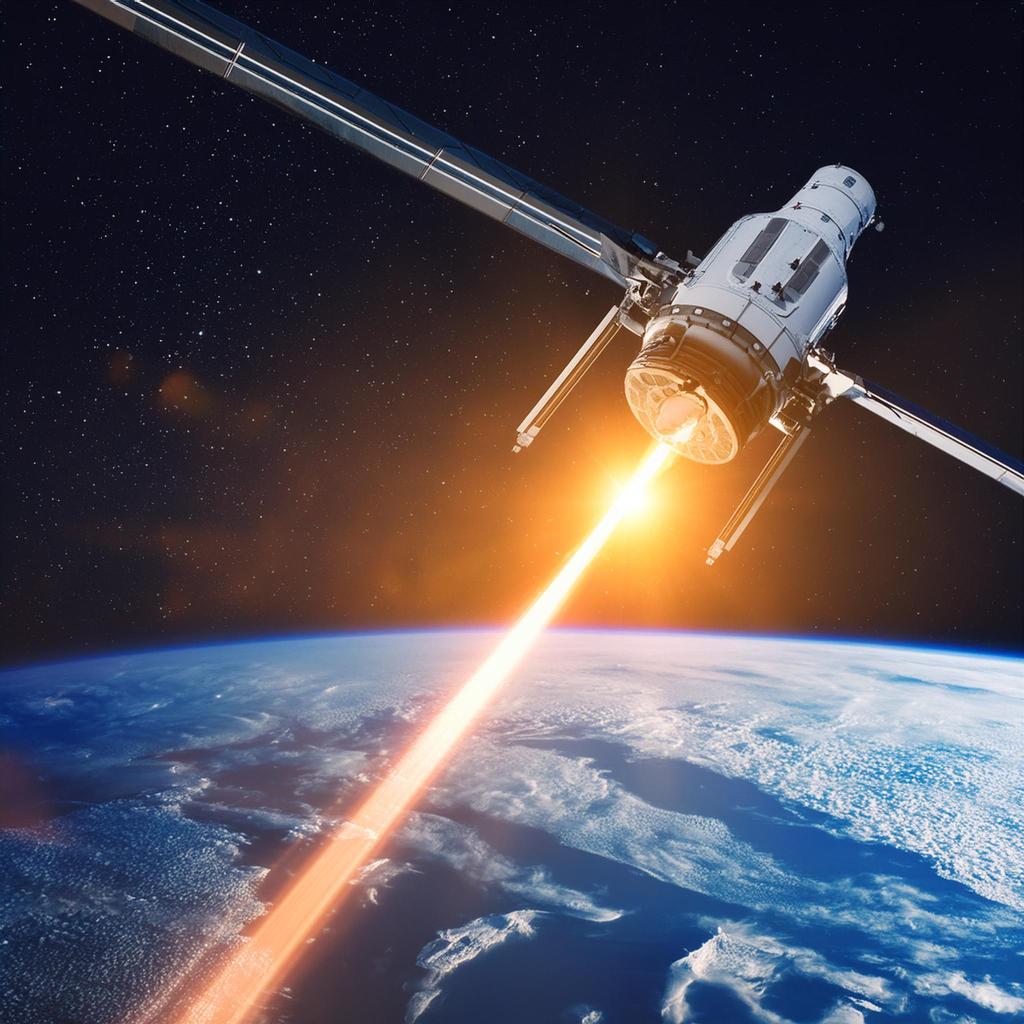
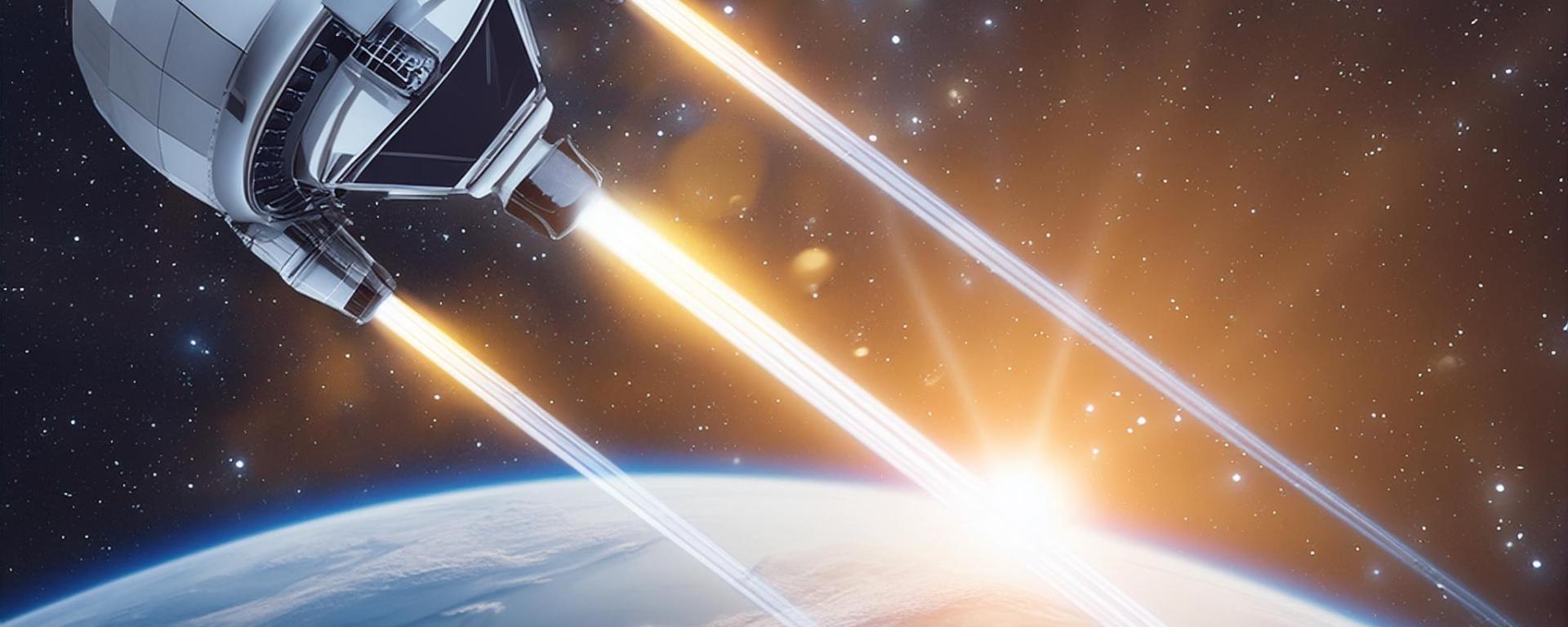
Buckle up, stargazers! A groundbreaking propulsion technology could dramatically reduce interstellar travel times, potentially bringing alien worlds within reach of human exploration. According to a recent report from Phys.org, the PROCSIMA system—a novel beamed propulsion method—may accelerate spacecraft to a staggering 10% of light speed. At this velocity, probes could reach Proxima Centauri b, our nearest known exoplanet, in just 43 years.
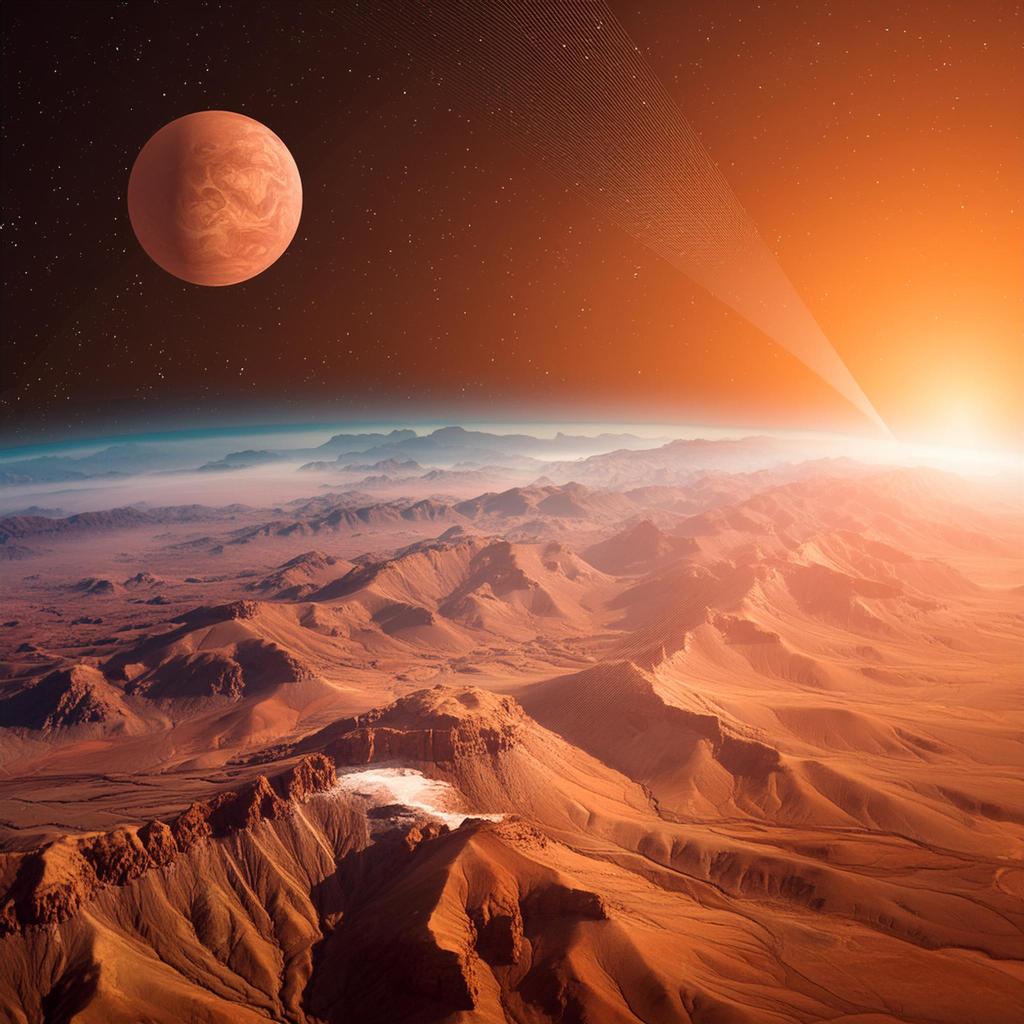
Rocket science? So last century
Traditional rockets and advanced propulsion concepts face fundamental constraints when venturing into deep space. PROCSIMA reimagines space travel by harnessing Earth-based energy sources, combining particle and laser beams to create a sustained push.
« Calculations by Dr. Limbach and his collaborator, Dr. Ken Hara, now a professor at Stanford, show that making a coherent beam that can effectively last to Proxima b while only diffracting out to about 10m is possible, at least in theory, » explains Phys.org. This innovative approach overcomes the diffraction issues that typically hamper beamed propulsion over astronomical distances.
Cosmic dreams meet reality check
While the prospect of rapid interstellar travel is exciting, the technology’s long-term beam coherence remains unproven. Nevertheless, PROCSIMA’s potential extends beyond speed:
- Capability to propel 1-kilogram probes to Proxima Centauri b in 57 years
- Allows for more substantial scientific payloads
- Could revolutionize our understanding of exoplanets and potential extraterrestrial life
Rome wasn’t built in a day, neither is a starship
Despite its promise, PROCSIMA faces hurdles before becoming a reality. Researchers must refine cold atom particle sources and improve beam control systems. Ongoing studies at institutions like the University of Michigan are tackling these challenges.
As Phys.org notes, « Development continues on a star shot method to eventually get a probe to another star, and it seems like, for better or worse, beamed propulsion is the way we will get there. » This persistent effort may promise a new chapter in our cosmic journey, bringing us closer to the stars than ever before.