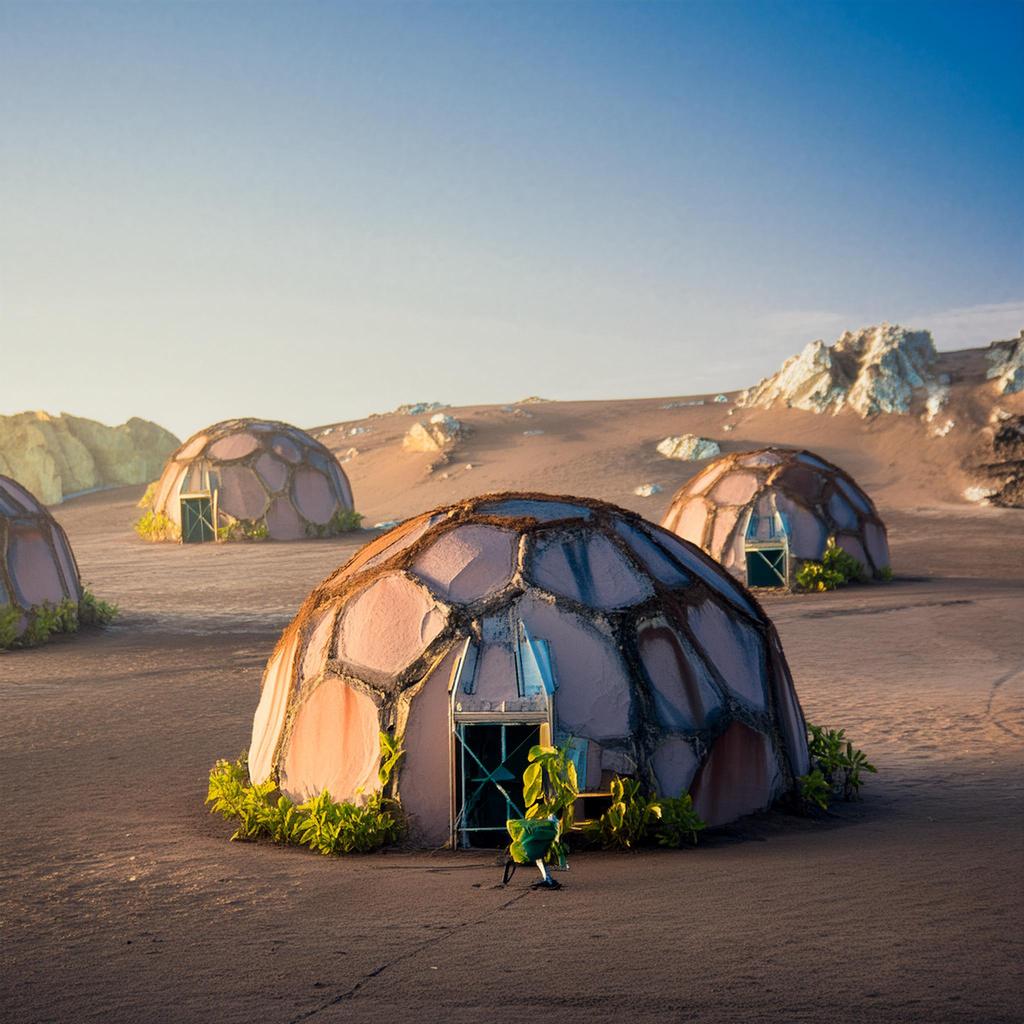
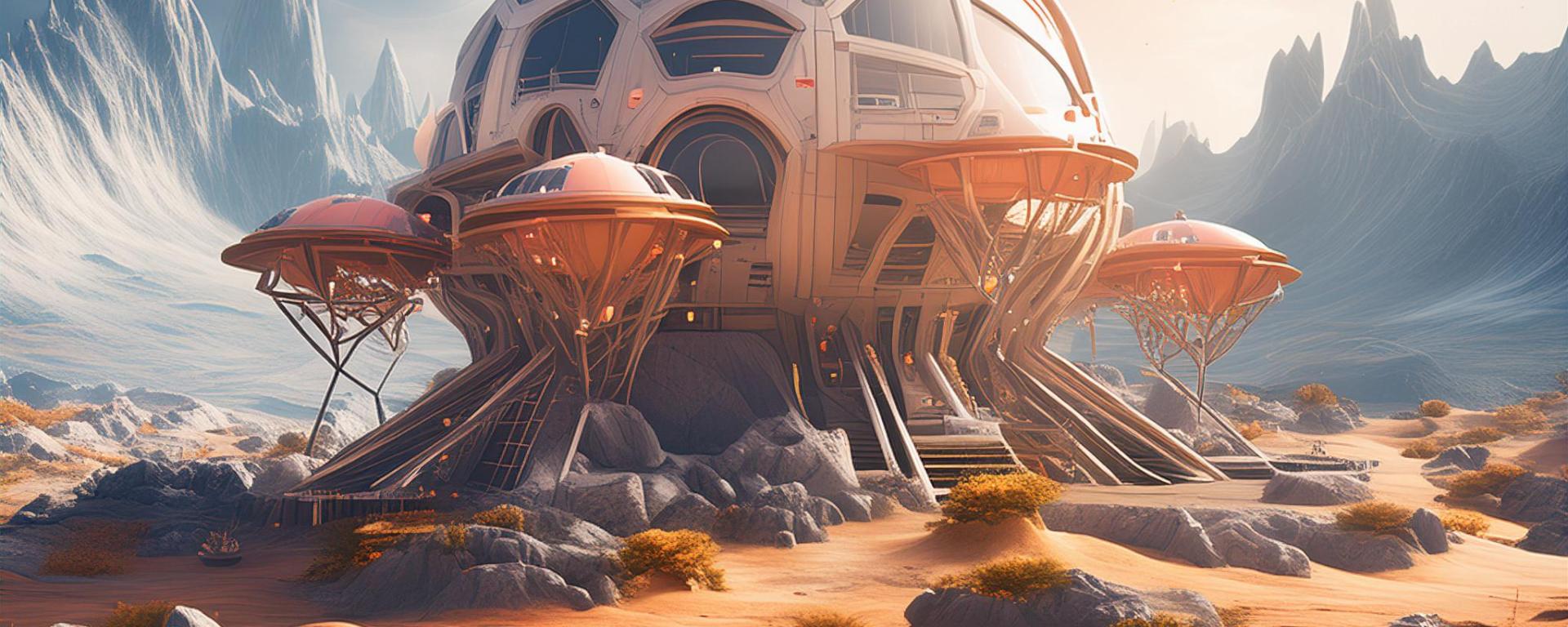
NASA is pushing the boundaries of space habitat innovation with a surprising new material: fungi. The Mycotecture Off Planet project, led by Lynn Rothschild at NASA Ames Research Center, is exploring how mycelium, the underground threads of fungi, can be used to grow habitats on the Moon, Mars, and beyond.
This cutting-edge research, funded by NASA’s Innovative Advanced Concepts (NIAC) program, aims to create sustainable living spaces for future explorers. By integrating mycelium with materials like yard waste and wood chips, NASA hopes to revolutionize how habitats are constructed in space.
Innovative Biocomposites
The team at NASA Ames has already made significant strides, developing fungal-based biocomposites and fabricating prototypes. They have successfully tested these materials in planetary simulators, demonstrating their potential for real-world applications. Detailed designs for mycelium-based Moon habitats have been drafted, showcasing the feasibility of this innovative approach.
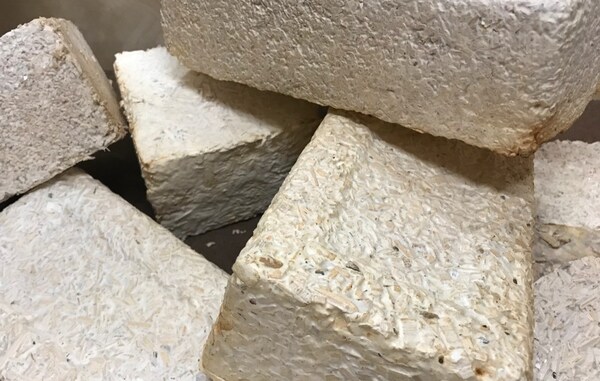
“This new research is a stepping stone to our Artemis campaign as we prepare to go back to the Moon to live, to learn, to invent, to create – then venture to Mars and beyond,” explains NASA Administrator Bill Nelson. These advancements underline the project’s promise and set the stage for the next phase of research, which aims to optimize material properties and prepare for testing in low Earth orbit.
Growing Habitats: Just Add Water!
The concept involves traveling with lightweight, compact habitats containing dormant fungi. Once on a planetary surface, adding water would activate the fungi, causing them to grow into fully functional human habitats. This method not only reduces the mass of transported materials but also includes safety measures to prevent contamination of extraterrestrial environments.
Traditional habitat-building methods, which rely on heavy materials, face numerous challenges and limitations in space. In contrast, myco-architecture offers a versatile and efficient alternative, emphasizing environmental containment and sustainability.
A Sustainable Vision
Looking ahead, this technology could drastically reduce the mass and resource requirements for space missions, making it an ideal candidate for integration into commercial space stations and lunar missions. The ultimate goal is to employ these fungal habitats on Mars, paving the way for long-term human presence.