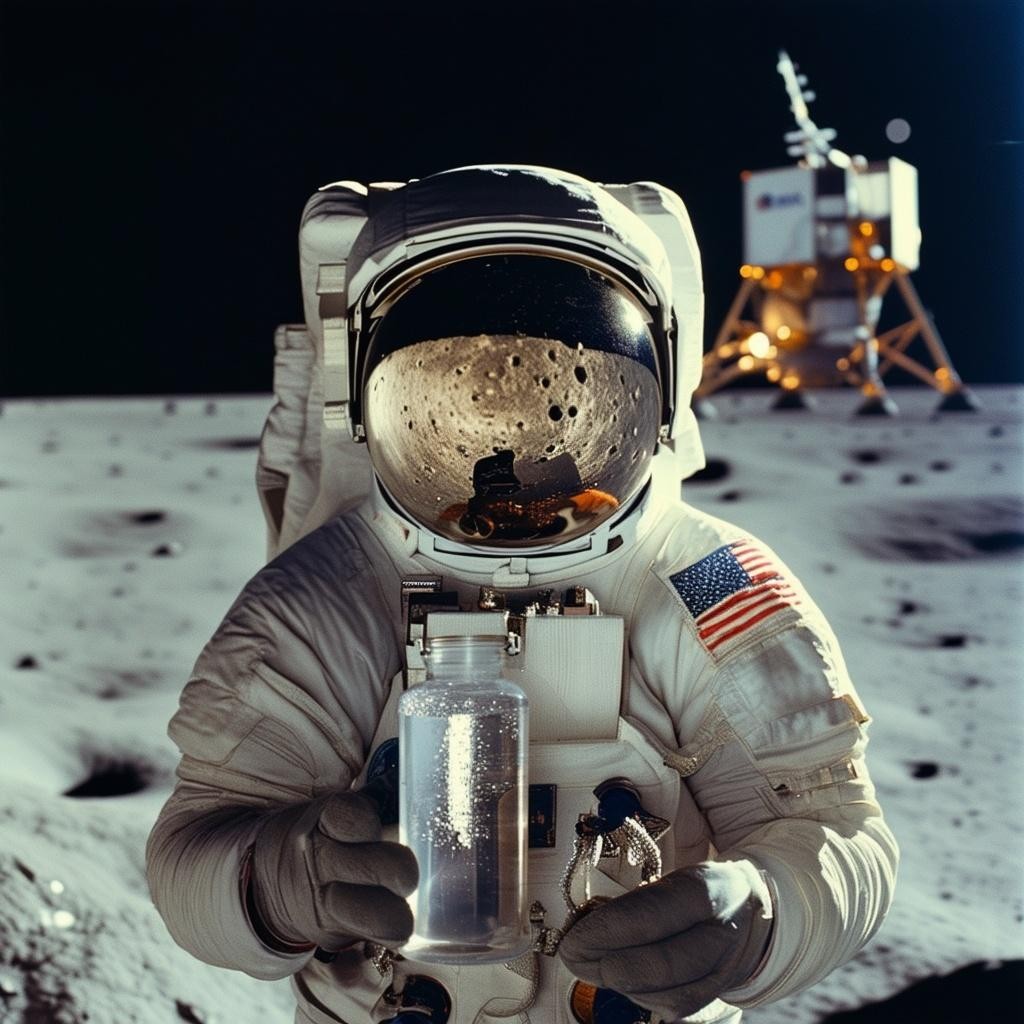

Quenching astronauts’ thirst with lunar ice? The UK Space Agency has, according to The NextWeb, recently thrown its support behind an ambitious project aimed at transforming lunar ice into drinkable water using a revolutionary « space mirror. »
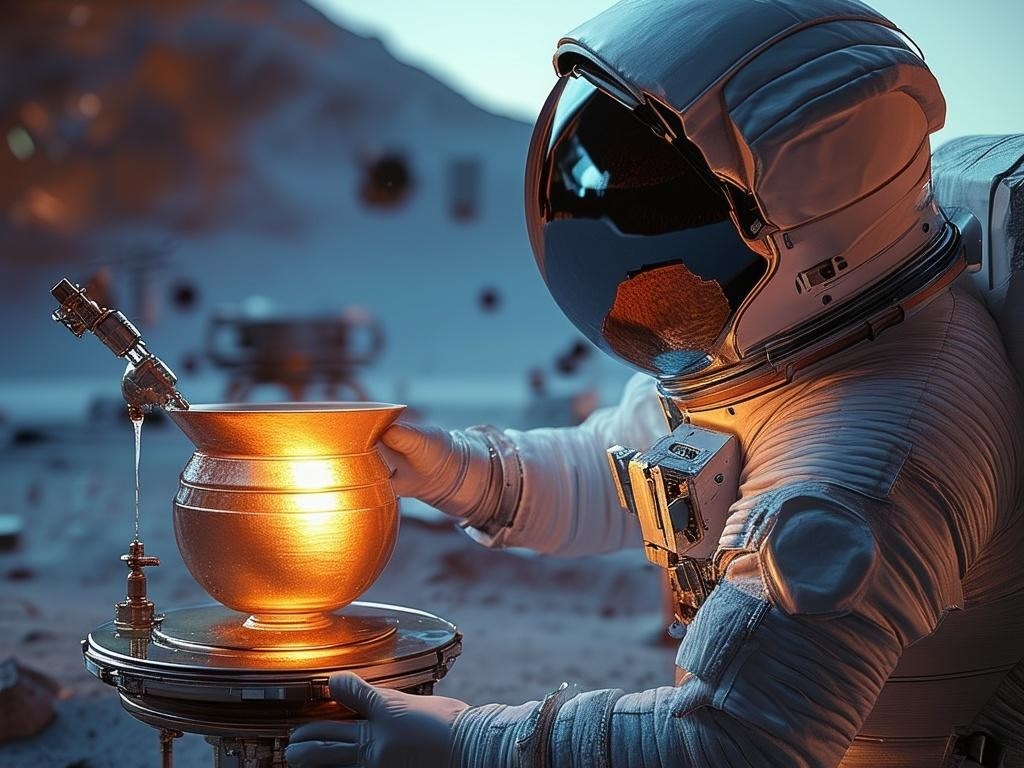
This groundbreaking initiative, conceived by the British Interplanetary Society (BIS), the world’s oldest space advocacy organization, has received a £30,000 investment as part of a larger £300,000 funding program. The device, aptly named « Ganymede’s Chalice » after the mythical cup that turns mortals into gods, could potentially solve one of the most pressing challenges of lunar exploration: sustainable water supply.
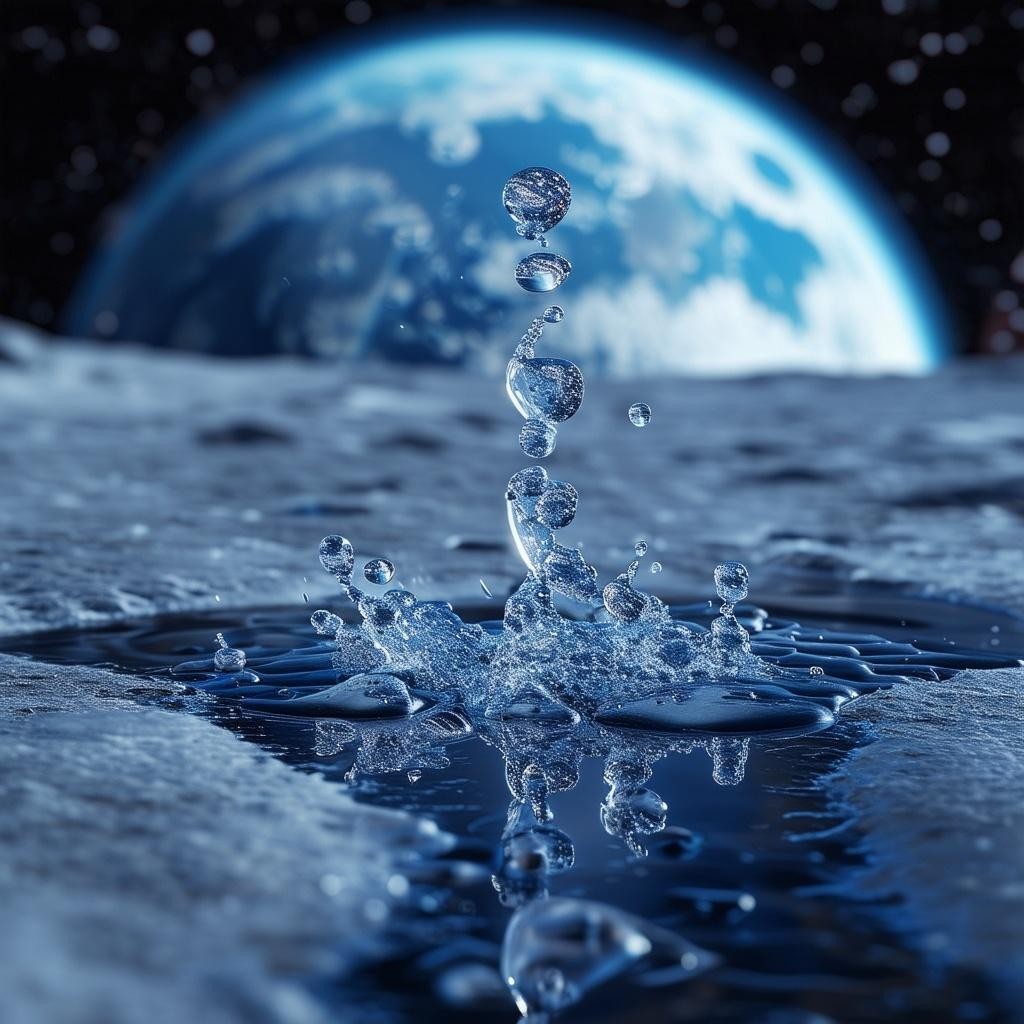
From frozen to flowing: the space mirror’s magic The project’s ingenuity lies in its simplicity. The proposed system employs automated cranes to place lunar ice into an air-locked crucible. A curved mirror then reflects concentrated sunlight onto the ice, utilizing a technique known as solar concentration. « Using heat from the concentrated rays, the BIS plans to boil the components one-by-one. Each of them will then be stored in safe and compact forms, » explains The Next Web. This process aims to melt and purify the ice, ultimately condensing it into safe, drinkable water. The BIS’s approach stands out for its innovative use of the Moon’s most abundant resources: sunlight and ice.
A race against time and technology
Moon water: the new space rush? As NASA sets its sights on establishing a lunar base by the end of the decade, the need for a reliable water source becomes increasingly critical. The UK’s investment in the « space mirror » project is part of a broader initiative funding ten different technologies, all competing to solve the lunar water challenge. These projects range from using sound waves to remove contaminants to employing UV light from LEDs to break down harmful components in lunar soil.
« These futuristic ideas could have a market in just a few years. NASA aims to establish a lunar base by the end of the decade. To sustain human life, the camp will need a reliable water source, » reports The Next Web. Each team has until spring 2025 to develop their concepts, with the three most promising solutions set to share an additional £300,000 in funding.
Reflecting on the future The implications of this technology for future space exploration are profound. If successful, the « space mirror » and similar innovations could pave the way for sustained human presence on the Moon and potentially other celestial bodies. The ability to produce clean water in situ would significantly reduce the need for costly water transportation from Earth, making long-term lunar missions more feasible and economical.