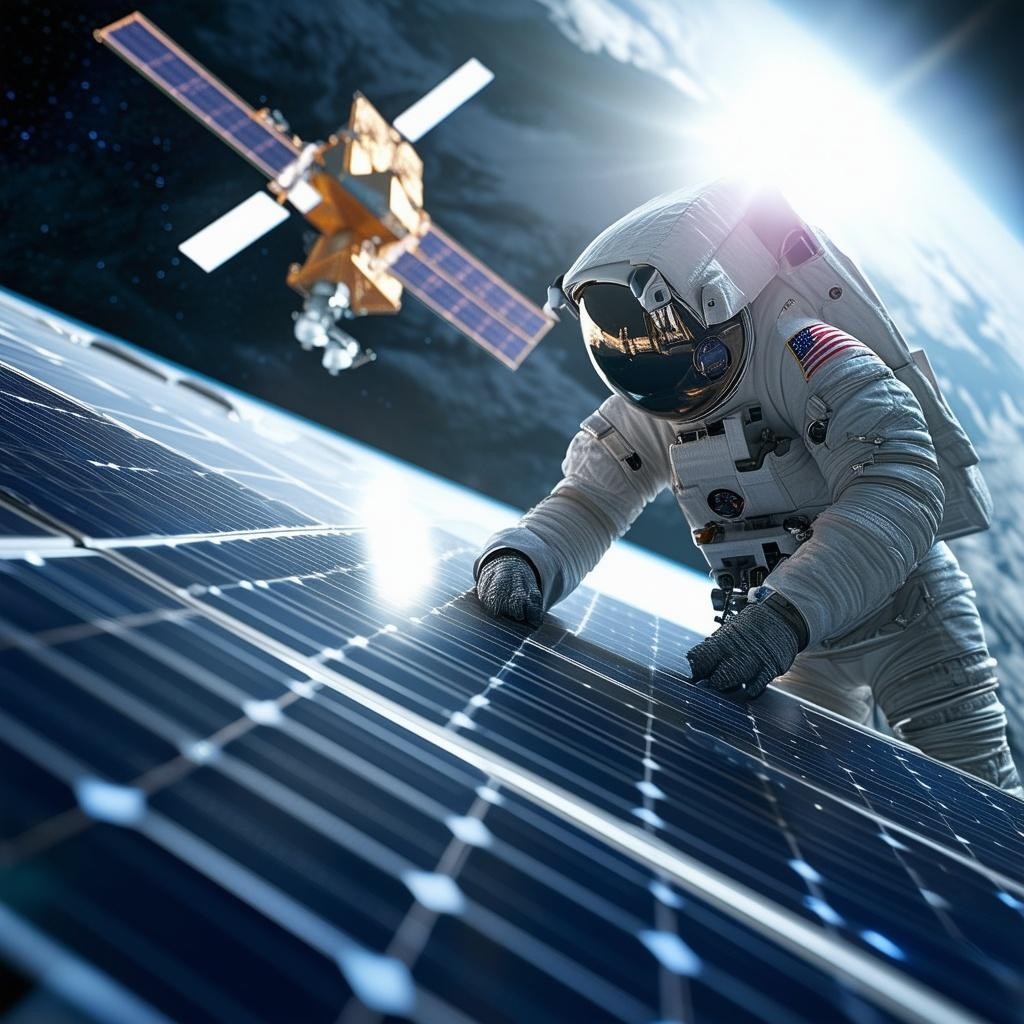

Power up in orbit! In the vast expanse of space, power is the ultimate currency. Enter Star Catcher Industries, a groundbreaking startup that’s about to revolutionize how we harness and distribute energy beyond Earth’s atmosphere. As reported by TechCrunch, this innovative company is developing a space-based energy grid that could supercharge orbital industry.
Solar power gets a boost. Star Catcher’s ingenious system involves satellites that collect solar energy and re-transmit it to customers’ solar arrays in space. This beamed power can be adjusted on demand, allowing even low-cost, low-power satellites to perform more complex tasks. The implications are enormous: from enabling edge computing in orbit to facilitating direct-to-cell telecommunications, this technology could be the key to unlocking new frontiers in space-based services and operations.
The Power Struggle in Space
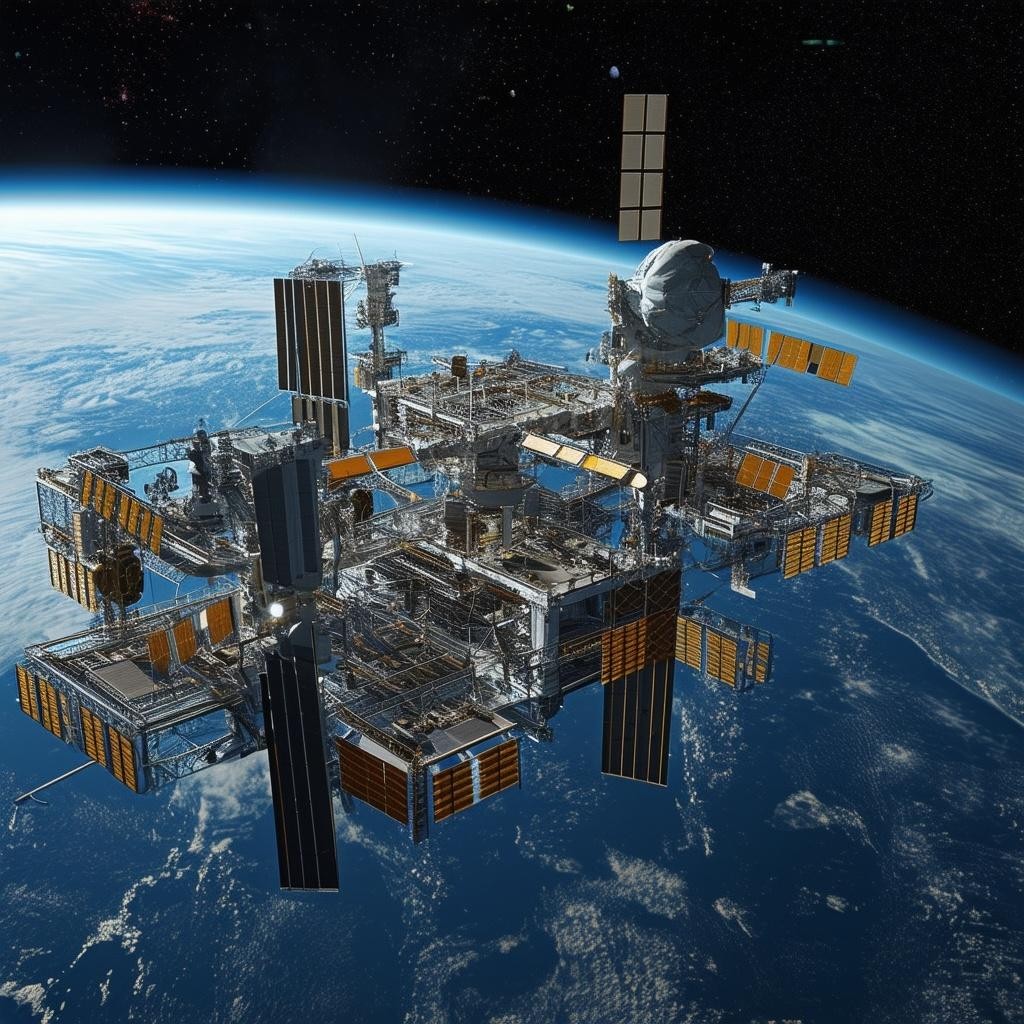
No more space refrigerators! Currently, most satellites in low Earth orbit generate a mere 1,000-1,500 watts from the sun – about as much as your refrigerator uses. Star Catcher envisions a future where spacecraft have access to power levels comparable to a house or more. However, the path to this powered-up future isn’t without obstacles. Skeptics might question the feasibility of such a large-scale power transmission system in the harsh environment of space, and concerns about potential interference with existing satellite operations need to be addressed.
Aiming for the stars. Despite these challenges, Star Catcher is forging ahead with ambitious plans. The company is preparing for a series of ground demonstrations to prove their concept, followed by the launch of a sub-scale demonstrator satellite in December 2025. This crucial mission will test the technology’s effectiveness in orbit with a client satellite. Looking further ahead, Star Catcher’s grand vision involves a constellation of 200 « power nodes » – satellites capable of providing full coverage to low Earth orbit.
Lunar nights, no problem! The potential applications of this technology extend far beyond our planet’s immediate vicinity. Some of the moon’s most scientifically and commercially interesting areas are also its darkest, posing significant challenges for solar-powered spacecraft.
Star Catcher’s power grid could make the problem of long lunar nights virtually disappear, potentially revolutionizing lunar exploration and paving the way for sustainable lunar bases. Moreover, this technology could be a game-changer for orbital habitation and manufacturing, providing the power needed for long-term human presence in space.