Space living gets a makeover. A groundbreaking space habitat concept is set to touch down at the Museum of Flight, offering visitors a glimpse into the future of off-Earth living. TESSERAE, a life-size space station module, will be on display in Seattle, showcasing innovative designs for comfortable and sustainable space habitation. As reported by GeekWire, this 20-foot high by 24-foot wide dome pavilion represents a significant leap forward in space habitat technology.
Cosmic Lego for adults. TESSERAE, which stands for Tessellated Electromagnetic Space Structures for the Exploration of Reconfigurable, Adaptive Environments, intends to revolutionize the concept of space habitats. Unlike the cylindrical tubes that have defined space stations for decades, TESSERAE utilizes a unique design of electromagnetically connected hexagonal and pentagonal tiles. This modular structure can be flat-packed for efficient launch and autonomously assembled in space, potentially reducing costs and complexity of future space missions. The design allows for customizable interior spaces optimized for comfort and community, moving beyond the bare necessities of survival in space.

From Space Rations to Stellar Cuisine
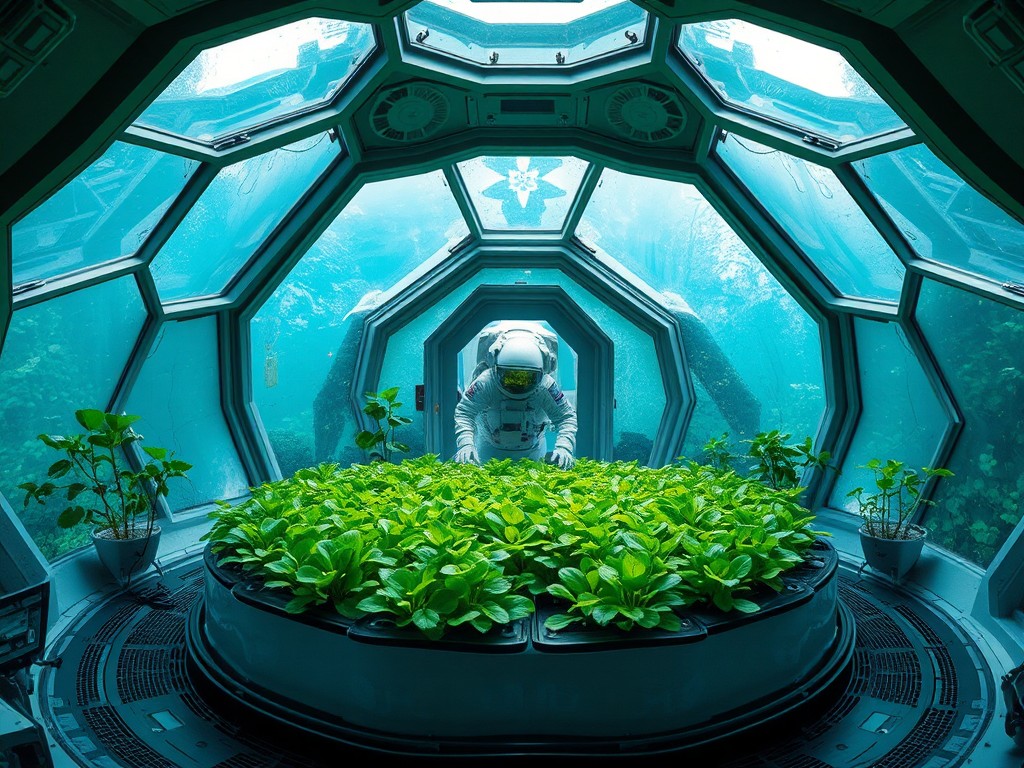
Michelin stars in microgravity? The TESSERAE exhibit places a strong emphasis on the importance of food and communal dining in maintaining astronauts’ well-being. Visitors will be treated to a showcase of futuristic food technologies, including the « Green Vault, » an aeroponics system designed for growing fresh produce in microgravity. Additionally, a functional zero-gravity sous vide cooker and fermentation orbs demonstrate innovative approaches to food preparation in weightless environments. These advancements stand in stark contrast to the limited and often unappetizing food options currently available to space travelers, highlighting the potential for significant improvements in space nutrition and quality of life.
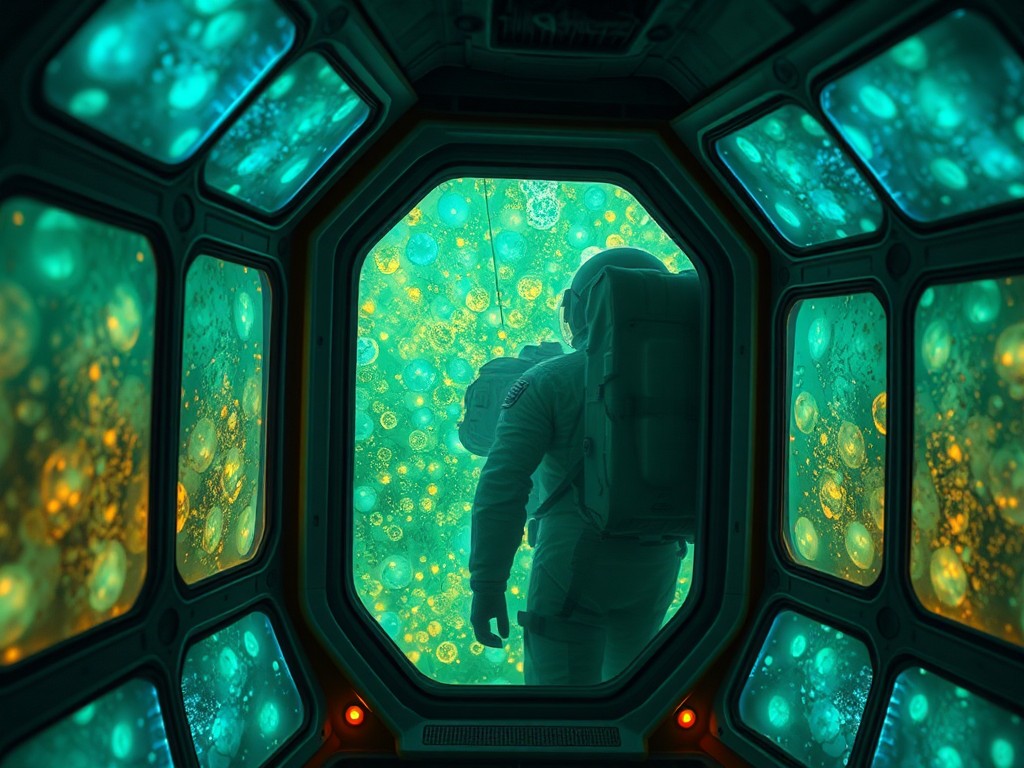
Mother Nature’s space-saving tips: TESSERAE goes beyond mere survival, incorporating design elements that address the unique challenges of long-term space habitation. Storage solutions inspired by nature maximize the use of limited space, while sea anemone-inspired inflatables and hand-knotted nets provide both functional and aesthetically pleasing navigation aids in zero gravity. Perhaps most intriguingly, the habitat features algae-filled panels that resemble stained glass, demonstrating a potential method for generating breathable air in space.