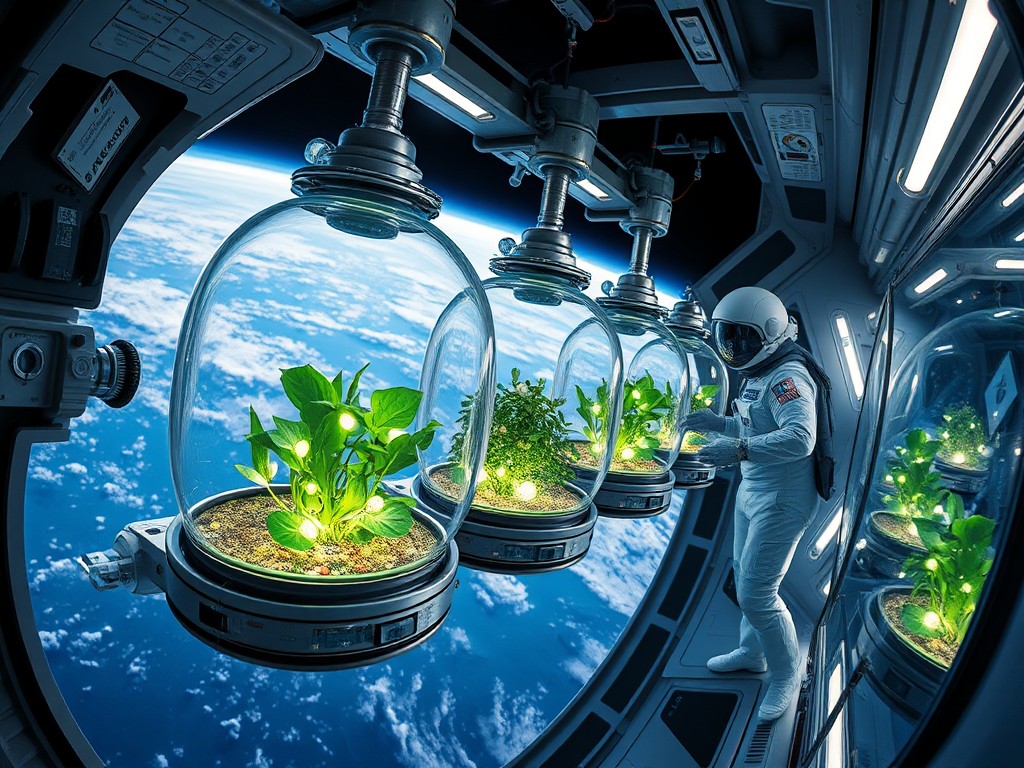
Space biology takes a giant leap forward. NASA and the European Space Agency (ESA) are joining forces with private companies in a groundbreaking initiative. According to WoodCentral, this collaborative effort, known as the Mission Possible space mission, aims to send over 1,000 plant, animal, and human cell samples into low Earth orbit (LEO), potentially unlocking the secrets of sustainable off-world habitation.
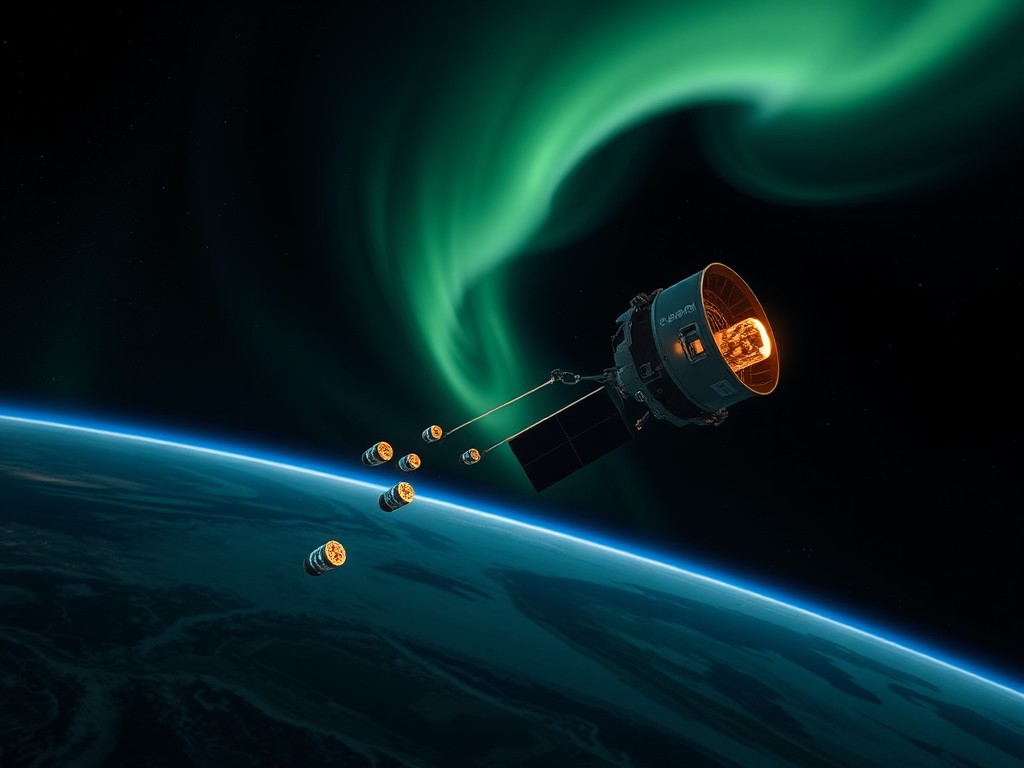
Pushing the boundaries of space research. The mission’s unique testing environment sets it apart from previous space biology experiments. Samples will be exposed to conditions 800 kilometers above Earth’s surface, far beyond the International Space Station’s orbit. This higher altitude subjects the specimens to increased levels of radiation, providing a more realistic simulation of deep space conditions. The biological payload will be housed in the MayaSat-1 research satellite, developed by the Genesis team, which will serve as a space-based biological incubator.
Bence Mátyás, researcher and CEO of Genesis Analytics, explained the significance of this mission to WoodCentral: « Combined with the microgravity environment, this mission will provide a unique scientific playground for discoveries in the fields of biomarkers, agriculture, medicine and other important areas of space biology. »
Cultivating life beyond Earth
While the prospect of growing plants in space is exciting, it’s not without challenges. Microgravity, radiation, and limited resources all pose significant hurdles to space-based agriculture. However, the potential benefits far outweigh these obstacles. Successful space farming could provide future astronauts with fresh food, oxygen, and even materials for habitat construction.
The Orion Space Generation Foundation is funding research to develop technologies focused on creating sustainable environments for long-term human life beyond Earth. This includes advancing life support systems and earth-free plant production methods, crucial for establishing self-sufficient space settlements.