


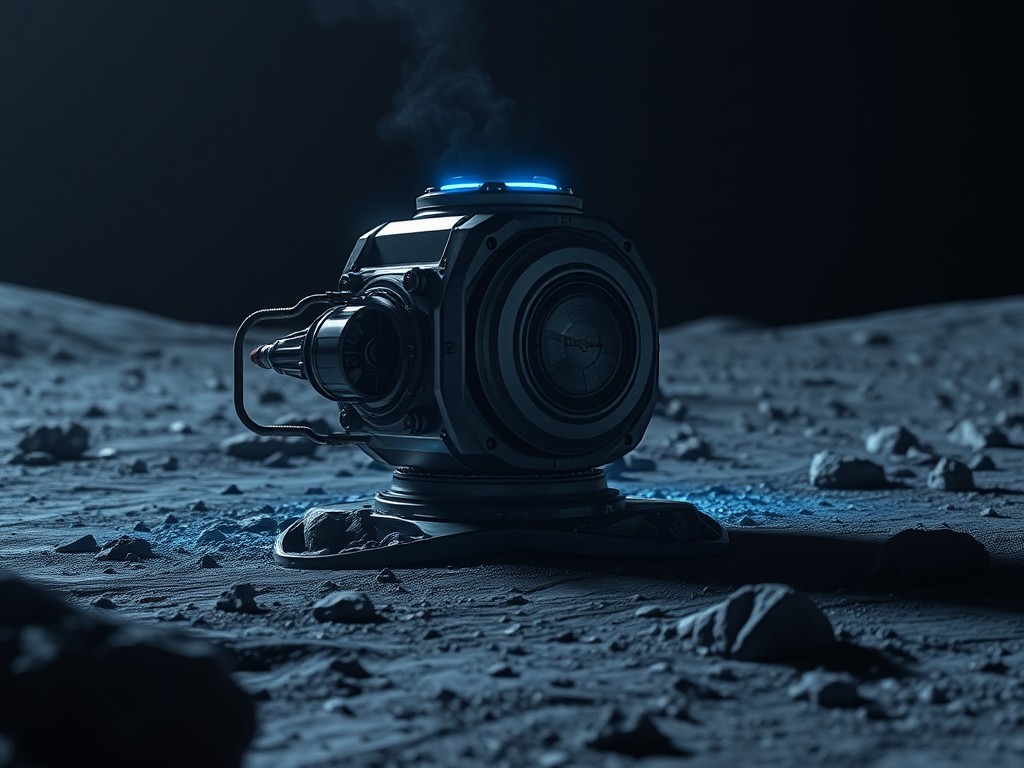
Lunar Alchemy. Sierra Space has successfully extracted oxygen from simulated lunar soil in a vacuum environment, marking a significant milestone for future space exploration, explains Inc.com. This feat, accomplished at NASA’s Johnson Space Center in Texas, represents the first time an automated system has produced oxygen from simulated lunar regolith in a lunar-like setting. The innovative Carbothermal Oxygen Production Reactor, developed by the Louisville, Colorado-based aerospace company, aims to support human life on the moon as part of NASA’s ambitious Artemis Program.
Extreme Conditions, Extraordinary Results: The testing of Sierra Space’s oxygen production system pushed the boundaries of technological resilience. The reactor operated in a vacuum and endured temperatures ranging from a frigid -45°C to a scorching 1800°C. Despite these harsh conditions, the system successfully maneuvered simulated regolith—the abrasive, dusty soil found on the moon’s surface—into its reaction chamber. It then extracted oxygen and removed the processed regolith without sustaining damage, demonstrating its potential for long-term lunar operations.
Lunar Living: Beyond Oxygen
While oxygen production is a crucial step towards sustaining human presence on the moon, Sierra Space isn’t putting all its eggs in one lunar basket. The company is actively developing other technologies to support NASA’s Artemis campaign. In partnership with Teledyne and Nissan, Sierra Space is designing a lunar terrain vehicle to facilitate surface exploration.
Protecting Future Moonwalkers: Looking ahead, Sierra Space is also focusing on astronaut safety with the development of expandable habitats. These structures, made from a high-strength material called Vectran, are designed to shield space explorers from harmful radiation and micrometeorites on the moon’s surface. Dr. Tom Marshburn, Sierra Space’s chief astronaut, expressed the company’s vision to Inc.com, stating, « We’ll be going to the moon, and actually, one day be providing oxygen for astronauts. »