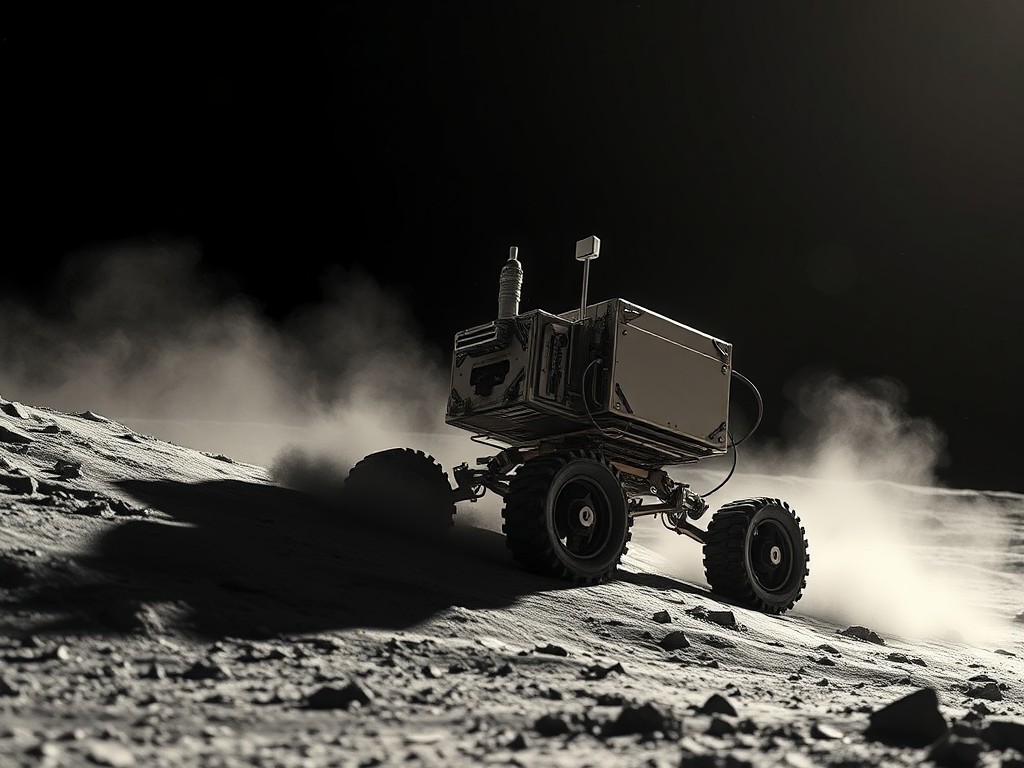
Moonwalking? More like Moon-driving. Local mobility around lunar landing sites is proving to be a make-or-break factor in NASA’s ambitious plans for lunar exploration. As the space agency sets its sights on the Moon’s South Pole region, the ability to transport cargo, logistics, and scientific payloads across the lunar surface has emerged as a crucial element for maximizing mission returns. According a NASA’s June white paper on lunar mobility, this challenge is far more complex than simply driving a rover from point A to point B.
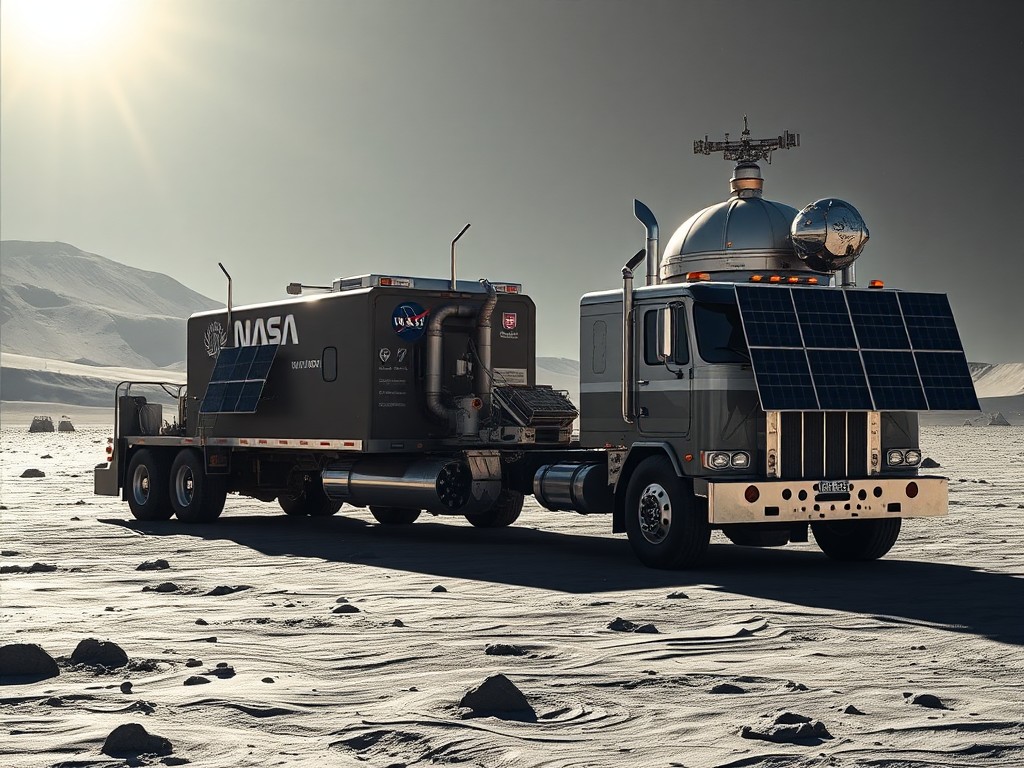
Houston, we have a weight problem. While NASA has developed mobility elements like the Lunar Terrain Vehicle (LTV) and Pressurized Rover (PR), these are primarily designed for crew transportation. The LTV, for instance, can only handle about 800 kg of uncrewed cargo. This capacity falls woefully short of the emerging needs for lunar exploration. « Current demand and mobility capacity are mismatched on the order of 1,000 to 15,000 kg per asset for ranges of 50 to 5,000 m, » the NASA document states, highlighting the significant gap between existing capabilities and future requirements.
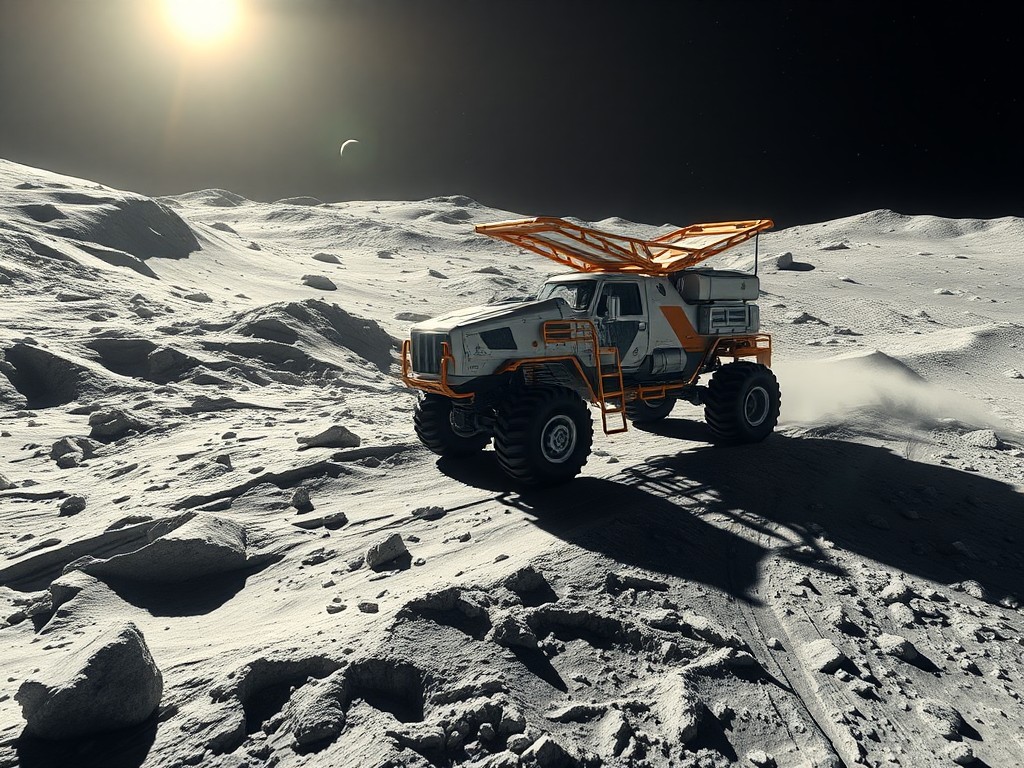
From Moonbuggies to Lunar Semis
Lunar road trip, anyone? Traversing the challenging lunar landscape presents unique obstacles. Cargo relocation distances can vary dramatically, from just tens of meters to separate payloads from lander shadows, to up to 5,000 meters to reach ideal habitation zones. The mass of items to be moved ranges from 500 kg for small demonstrations to a staggering 15,000 kg for large infrastructure elements like habitation systems. Adding to the complexity, the lunar South Pole terrain often includes slopes of up to 20 degrees, comparable to unimproved mountain passes on Earth.
R2-D2’s lunar cousins to the rescue. The future of lunar mobility lies in autonomous or semi-autonomous systems capable of operating year-round, regardless of crew presence. These advanced mobility platforms will need to navigate the harsh lunar environment independently, tackling challenges like regolith interactions and extreme temperature variations. « The ability of mobility systems to manipulate cargo elements will be a key factor, » NASA explains, emphasizing the need for versatile and intelligent robotic assistants.