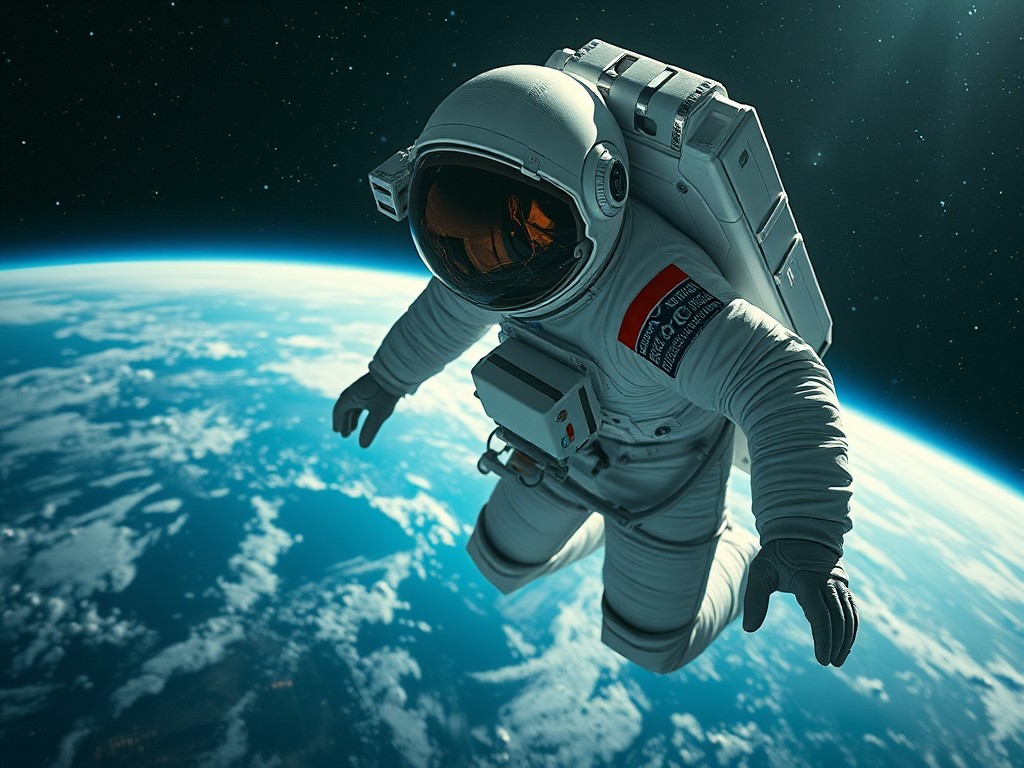

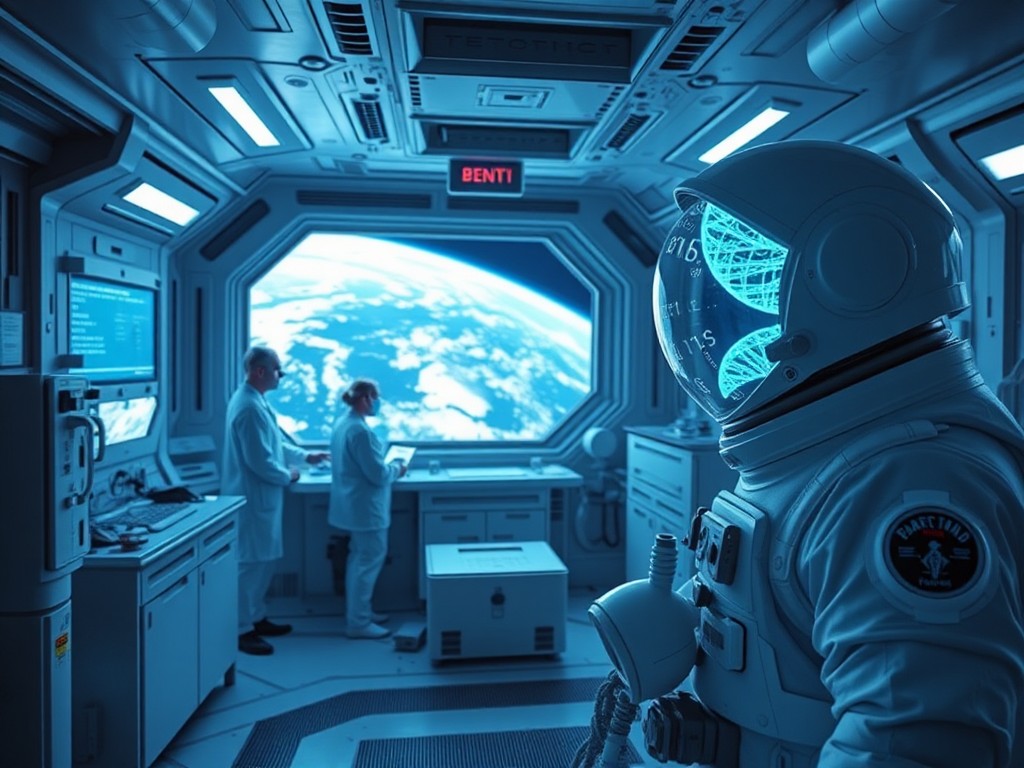
Beyond Earth’s atmosphere, bioethicists are exploring a controversial idea: genetically editing astronauts to better protect them from the harsh realities of space travel. This concept, reported by the MIT Technology Review, raises profound questions about the future of human space exploration and the lengths we might go to safeguard those venturing into the cosmos.
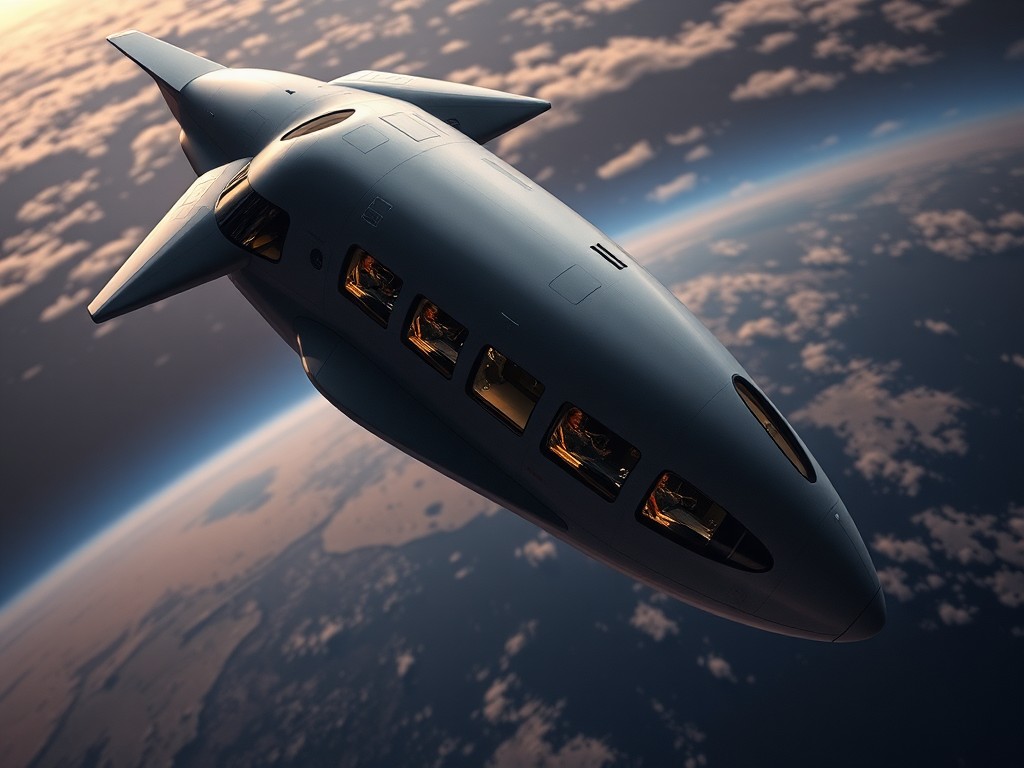
SpaceX leads the charge in making space more accessible to civilians. The company recently launched four private astronauts into orbit, marking a significant milestone in commercial spaceflight. However, this achievement also brings to light the myriad health risks associated with space travel. Radiation exposure, microgravity effects, and psychological challenges pose serious threats to long-term space missions.
Research reveals genetic shifts in space
A groundbreaking study on twin astronauts has revealed that extended space missions can induce genetic changes. These findings have prompted scientists to consider how we might mitigate these effects. Current biotechnologies, such as genetic testing, offer a starting point for assessing individual risks for space travelers. However, some experts are looking further ahead, contemplating the possibility of genetically modifying humans to better withstand the rigors of space.
The debate surrounding genetic modification for space travel is heated. Paul Root Wolpe, former NASA senior bioethicist, argues against such interventions, stating to MIT Technology Review, « There is some integrity to being human, and to the human body, that should not be breached. » Conversely, Rosario Isasi, a bioethicist at the University of Miami, suggests that genetic interventions might become « more than a duty, but a condition for an astronaut going on these missions. »
Safety first or genetic leap? The immediate concern lies with the new dangers introduced by commercial space travel. Unlike government-trained astronauts, private space tourists may not undergo the same rigorous health screenings. As Paul Root Wolpe explains, « You’re putting [people] in a situation the human body was never designed to be in. » This discrepancy highlights the urgent need for robust safety measures and health protocols in the burgeoning commercial space industry.