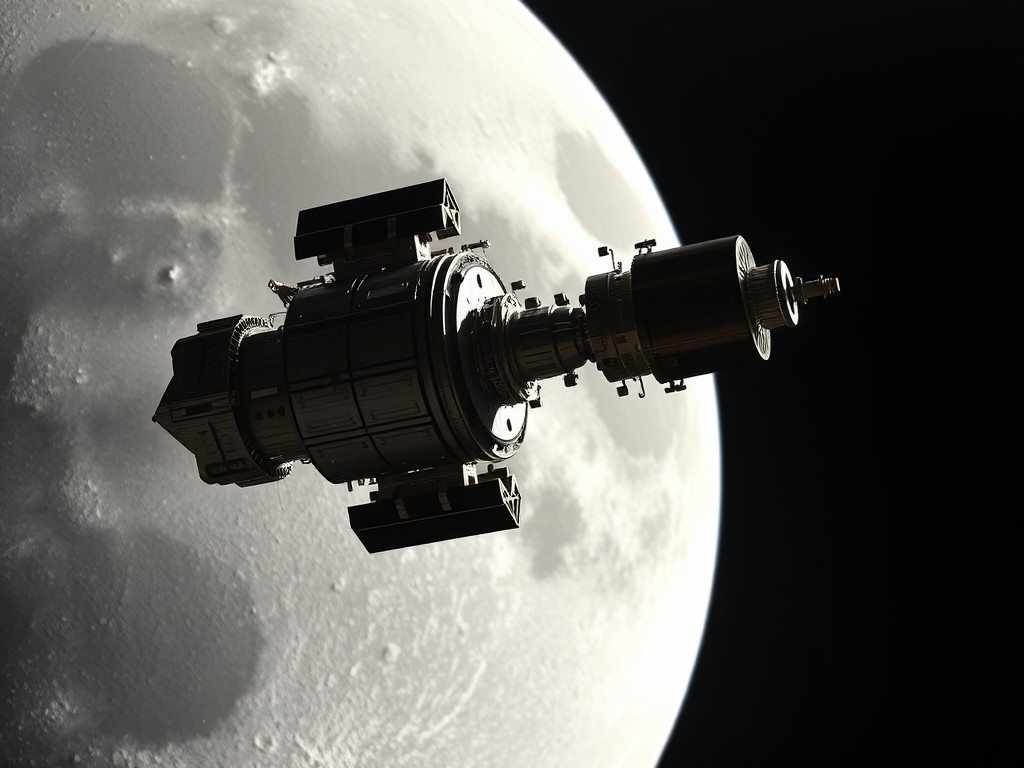
Cosmic gas stations on the horizon? Argo Space Corporation is setting its sights on transforming the Moon into a pit stop for interplanetary travel. The ambitious startup recently secured $7.9 million in funding to develop water-fueled space tugs, marking a significant step towards its long-term vision of a lunar-based space transportation ecosystem. As reported by Payload, this innovative approach could reshape how we think about fueling space missions.
From drawing board to lunar orbit, Argo’s immediate plans involve the launch of its first Argonaut demonstration vehicle in 2025. But that’s just the beginning. The company is simultaneously developing a larger, reusable vehicle capable of carrying ESPA-class payloads. ESPA, or EELV Secondary Payload Adapter, is a standard format for smaller satellite payloads, typically up to 180 kg. Argo’s vehicle aims to push this limit to 1000 kg, potentially expanding the range of missions it can support.
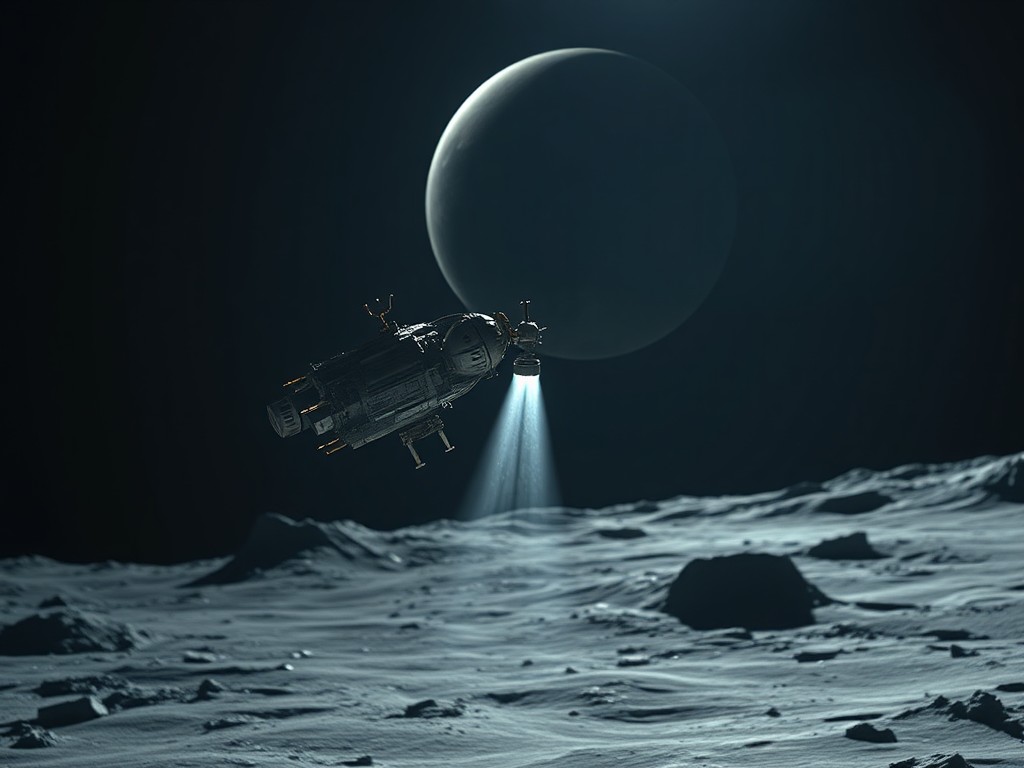
Water: Space’s New Rocket Fuel?
Splashing into uncharted territory, Argo’s water-powered approach comes with its own set of challenges. While water is cheap, abundant, and safe to handle, it’s not without its drawbacks. « We did start on the resources side, and thought, that’s cool and interesting in a scientific way, but there’s no demand, » Argo’s CEO Robert Carlisle told Payload. « So how do we build a future where there is? We came back to what is a real commercial use case to deploy lunar resources. » The company must overcome hurdles such as preventing water from freezing in orbit and compensating for its lower thrust compared to traditional propellants. Despite these obstacles, Argo remains committed to its vision of harvesting water from lunar regolith to fuel its space tugs.
Lunar gold rush or pipe dream? Argo isn’t alone in its pursuit of Moon-based resources. Companies like Interlune, Ethos, and Starpath have all emerged with their own plans to exploit lunar materials. From extracting helium-3 to building landing pads, these ventures paint a picture of a bustling lunar economy. As this new space race heats up, it raises intriguing questions about the future of space exploration and resource utilization. Will the Moon become a refueling station for deeper space missions? Only time will tell, but one thing is certain: the next chapter of space exploration may well be written in water.