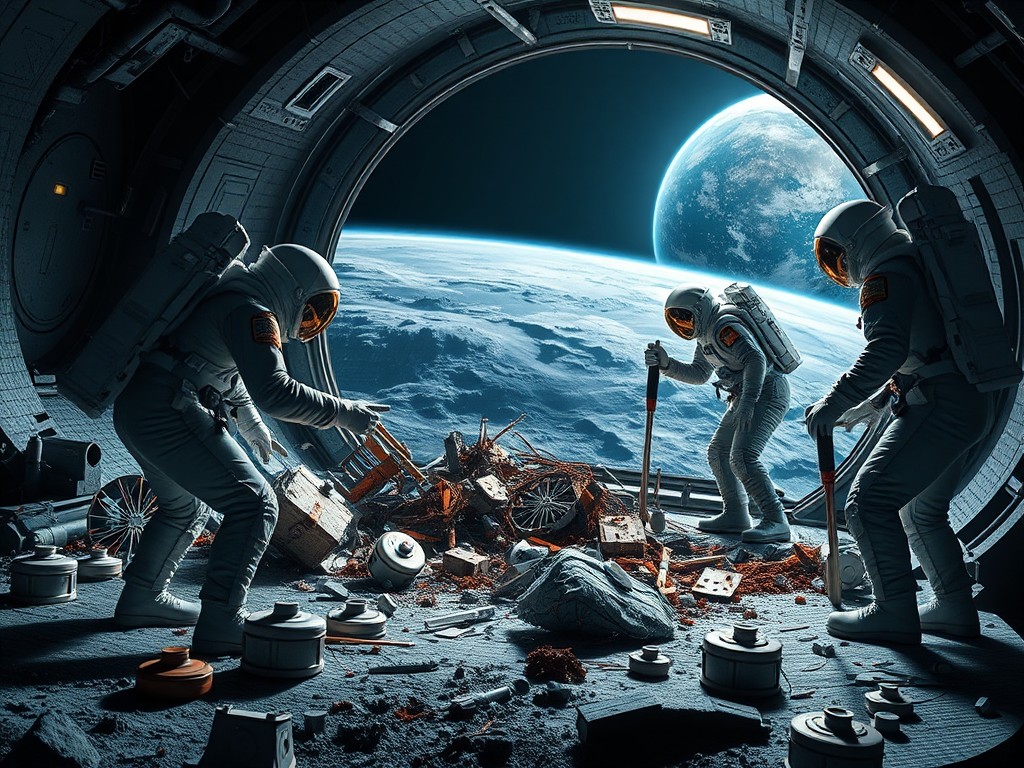

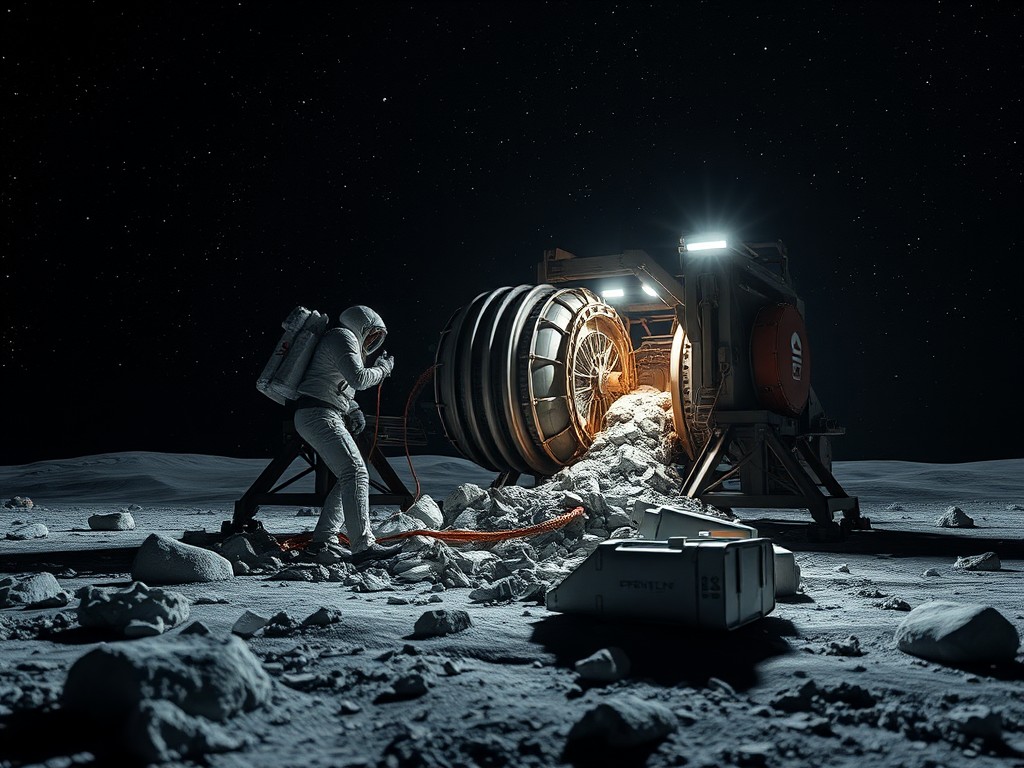
Space junk jackpot. NASA has launched an ambitious $3 million competition that could change waste management in space. The LunaRecycle Challenge, as reported by India Today, invites innovators worldwide to develop cutting-edge recycling technologies for deep space missions, particularly focusing on the Moon and beyond.
From waste to wonder. Unlike previous space waste management efforts that primarily aimed to reduce trash mass and volume, LunaRecycle takes a bold new approach. The challenge prioritizes transforming waste into usable products for off-planet activities. This innovative concept could be a game-changer for future space exploration, potentially reducing the need for resupply missions and making long-duration space travel more sustainable. Amy Kaminski, program executive for NASA’s Prizes, Challenges, and Crowdsourcing program, emphasized « the importance of sustainability in space exploration » to India Today.
Dual-track innovation
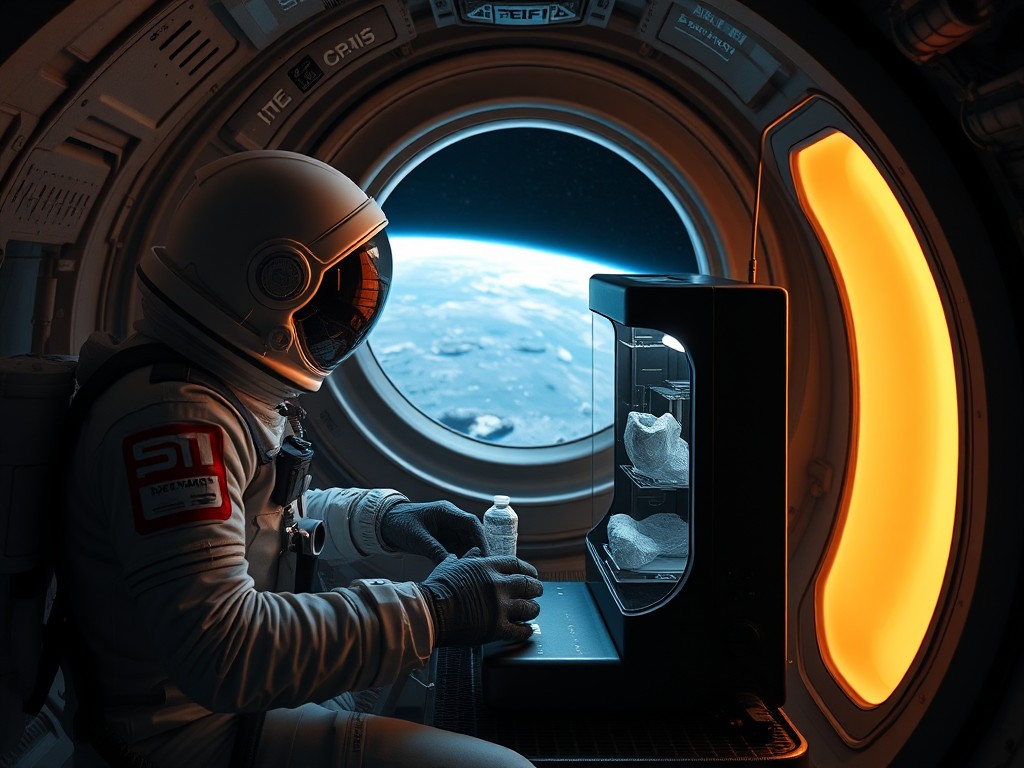
Calling all space recyclers. The LunaRecycle Challenge features two distinct tracks to encourage diverse solutions. The Prototype Build track challenges participants to design hardware components and systems, while the Digital Twin track focuses on creating virtual replicas of complete recycling systems. This dual approach allows for broader participation and innovation from problem-solvers around the globe.
The challenge targets three specific areas: logistics tracking, clothing, and trash management for habitation; in-space and on-surface manufacturing of parts and products; and manufacturing from recycled and reused materials. However, recycling in the harsh environment of space presents unique challenges, including limited resources, extreme temperatures, and the need for highly efficient, low-mass systems.
Lunar living labs. The LunaRecycle Challenge aligns closely with NASA’s long-term vision of establishing a sustained human presence on the Moon. By incentivizing the development of advanced recycling technologies, NASA aims to create more self-sufficient and sustainable lunar habitats. These innovations could play a crucial role in supporting future deep space exploration missions, potentially paving the way for extended stays on other celestial bodies.