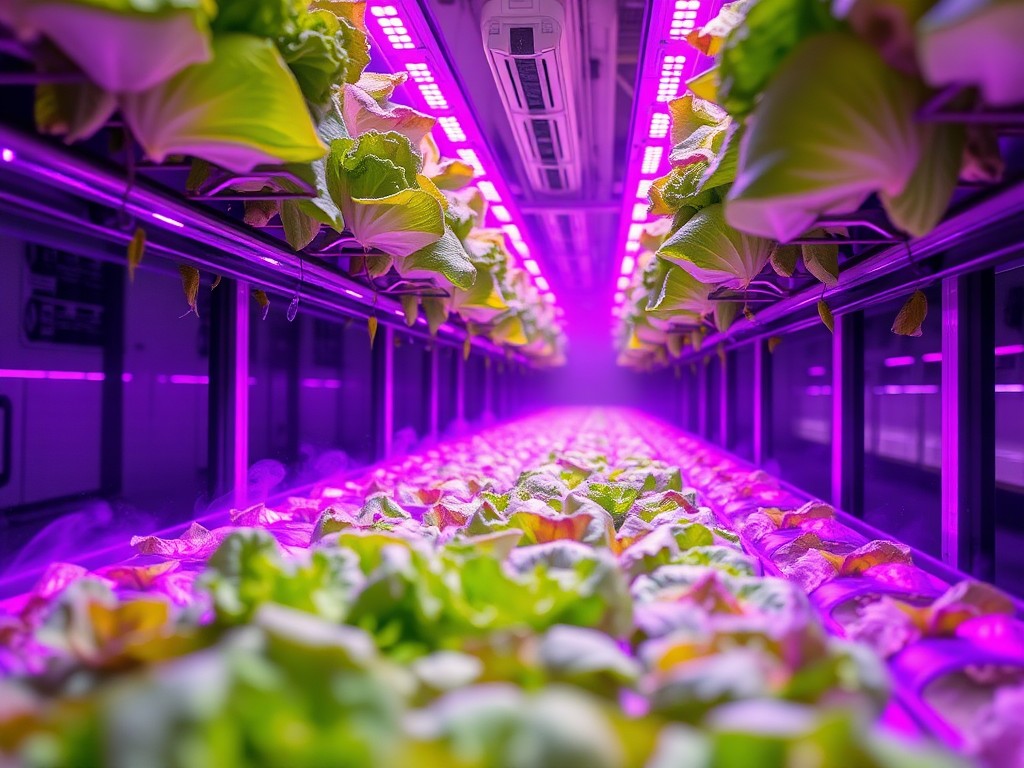
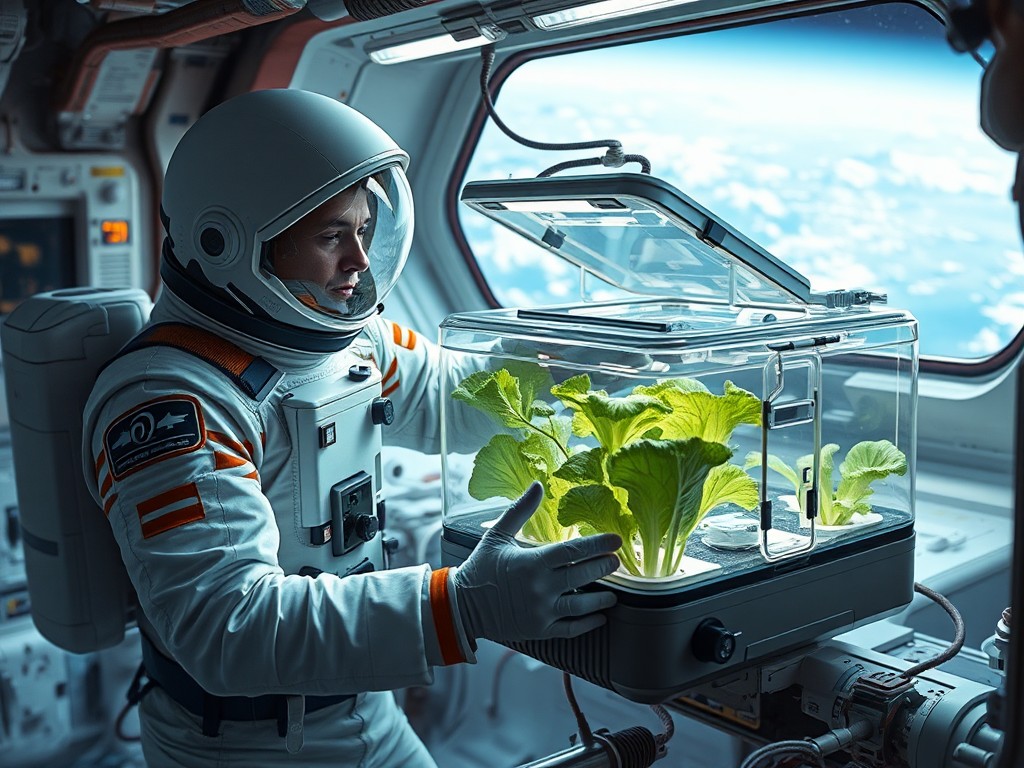
A leaf of cosmic proportions: Imagine biting into a crisp lettuce leaf grown not in soil, but in the sterile environment of a space station. This sci-fi scenario is inching closer to reality, thanks to a groundbreaking research project at Rutgers University. The U.S. Department of Agriculture has awarded Rutgers a $607,000 grant to develop « electroponics, » a revolutionary alternative to hydroponics that could transform plant cultivation in space. This innovative method promises to grow plants with limited water or in zero gravity conditions, potentially paving the way for sustainable space exploration.
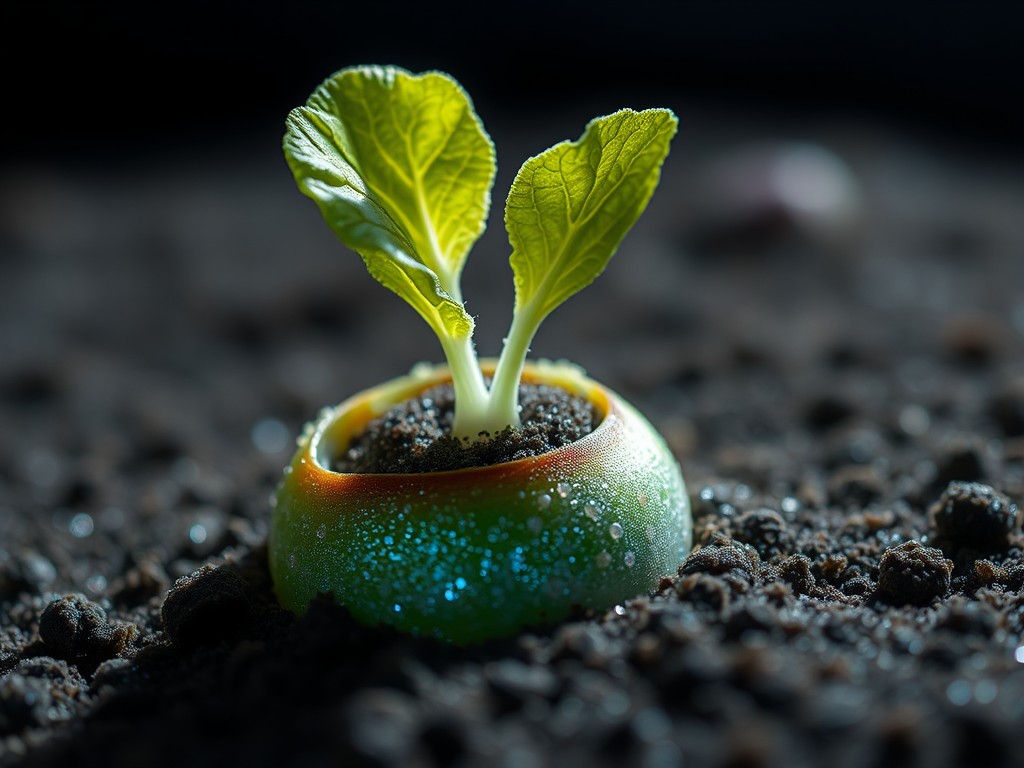
Nanotech meets agriculture: At the heart of this cosmic garden lies a fusion of cutting-edge technologies. The three-year project will leverage innovations from Rutgers’ Nanoscience and Advanced Materials Center and the Hybrid Micro/Nanomanufacturing Lab. The core of the electroponics system is an electrospray technique that delivers water as electrically charged micron-size particles. Additionally, the researchers are developing biopolymer-based nanofibers extracted from food waste to serve as seed coatings. These advancements aim to enhance germination and plant growth for various edible plants, with lettuce being a prime candidate.
From Earth to Space: Cultivating the Future
Urban jungles to celestial outposts: As exciting as the space applications are, the Rutgers team isn’t limiting their sights to the stars. They plan to scale up and demonstrate these technologies in simulated urban and space environments, bringing precise micronutrient and water delivery to critical scenarios for long-term sustainability and exploration. « We will scale up and demonstrate these innovative technologies in simulated urban and space environments, bringing precise micronutrient and water delivery to critical scenarios for long-term sustainability and exploration, » said Jonathan Singer, Associate Professor of Mechanical and Aerospace Engineering at Rutgers School of Engineering, as reported by Rutgers University.
However, the path from laboratory to launchpad is not without challenges. Scaling up the technology and ensuring its reliability in the harsh conditions of space will require rigorous testing and refinement.
Cosmic cultivation unleashed: The ultimate goal of this cosmic cultivation project is to create a scaled-up electroponics system that enhances plant growth using minimal amounts of water and agrichemicals. This technology could be a game-changer for long-duration space missions, potentially allowing astronauts to grow their own food in the unforgiving vacuum of space.