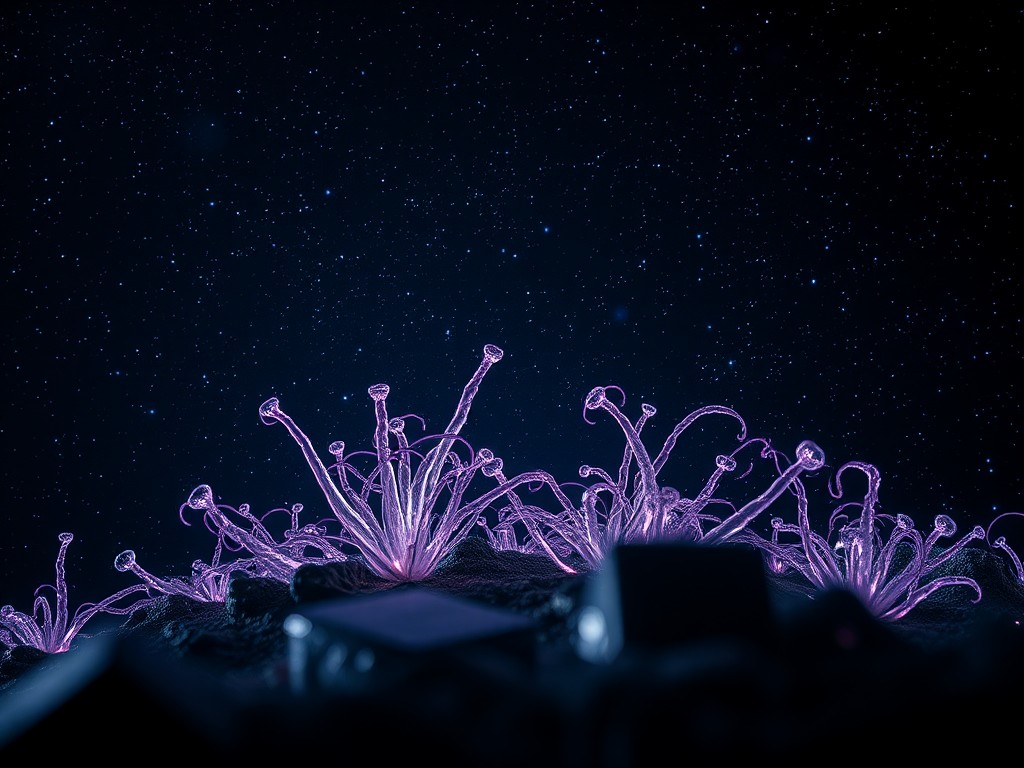
Small but mighty organisms conquer space A research published in Phys.org reveals that photosynthetic organisms could thrive beyond Earth’s boundaries. The study by Harvard scientist Robin Wordsworth and Edinburgh University’s Professor Charles Cockell demonstrates that simple life forms can maintain habitable conditions in space, challenging long-held assumptions about where life can exist.
Breaking the Earth-centric mold The research team analyzed crucial parameters including pressure, temperature, radiation, and energy sources to determine life’s survival potential beyond our planet. « Our idea is to probe the limits for habitability of non-sentient life. We were able to show that there are no physical limitations on simple forms of life existing outside of planetary gravity wells, which was not a result we expected initially, » Wordsworth explained to Phys.org. Traditional searches for extraterrestrial life have focused exclusively on Earth-like conditions, potentially overlooking countless opportunities for discovery.
When Toxic Becomes Habitable
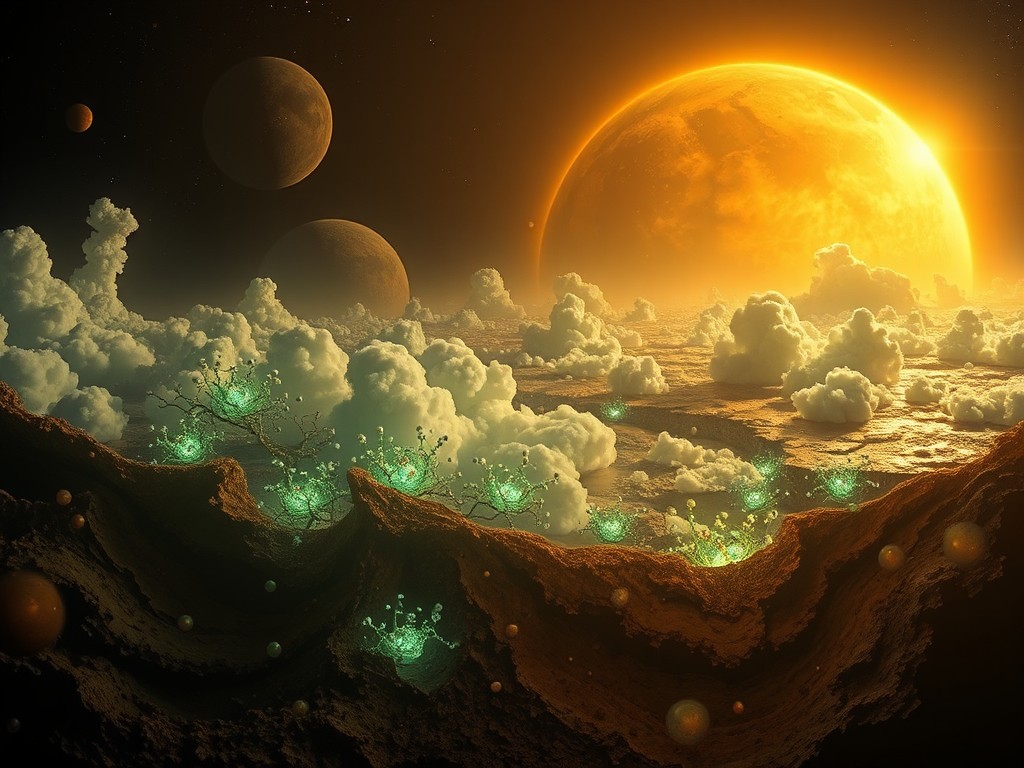
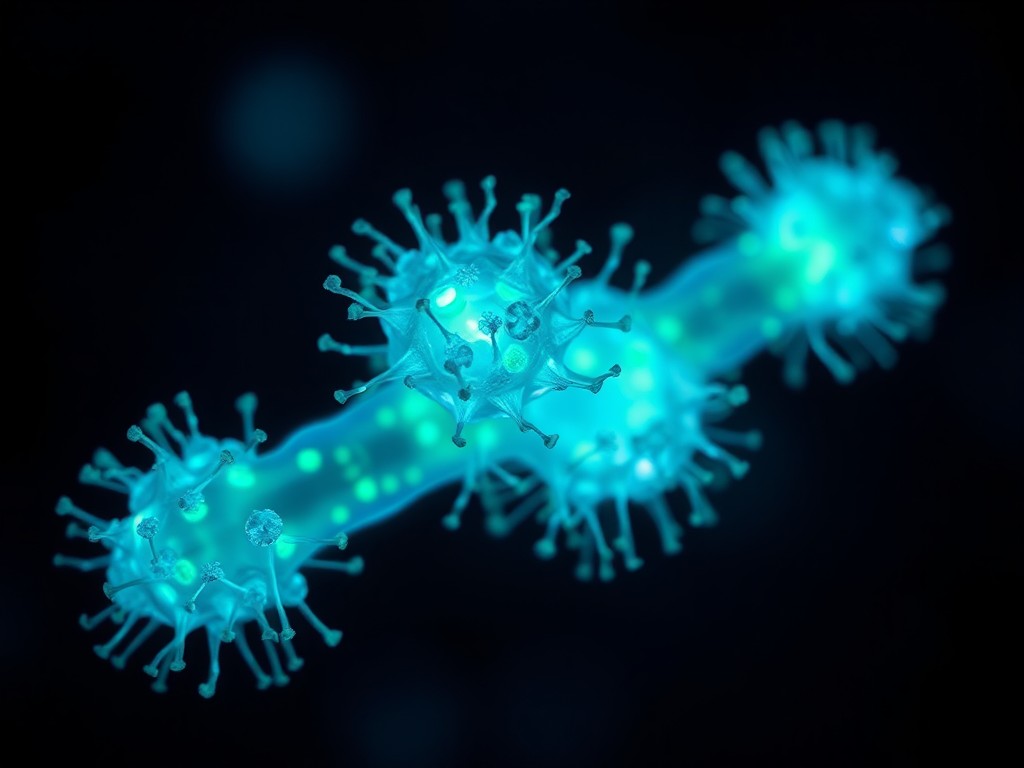
Life finds a way – even in toxic clouds While the study points to exciting possibilities in space, researchers haven’t ignored closer celestial neighbors. Venus, despite its hostile surface conditions, presents an intriguing case. Recent studies suggest its atmospheric layers might harbor habitable zones, demonstrating how life could adapt to seemingly impossible environments. « When solar radiation is the energy source, life can flourish and spread over a much larger area, until its growth is limited by other things, such as availability of essential nutrients or raw materials, » Wordsworth noted.
Game-changing solutions ahead These findings could revolutionize human space exploration through biological life support systems. The research suggests that self-contained ecosystems could be developed for space habitats, potentially supporting future missions to the Moon and Mars.