Breaking News: Your Moon Water Might Kill You
Moon dust: the silent killer of water systems looms as a critical challenge for future Moon stays, according to new research published in Phys.org. German scientists from DLR have discovered that moon dust contamination of water supplies happens faster and proves more dangerous than previously thought, creating a significant hurdle for establishing sustainable lunar operations.
Not Even Two Minutes of Safety
Using a lunar regolith simulant based on Apollo 16 samples – chosen specifically for its similarity with the regolith planned to be found at Artemis landing sites – researchers found alarming results. Even with exposure times as short as 2 minutes, “the contaminated water showed pH, turbidity, and aluminum concentrations all exceeding World Health Organization benchmarks for safe drinking water, » reports Phys.org. The implications are clear: any water system on the Moon will require sophisticated purification methods.
When Space Dust Attacks
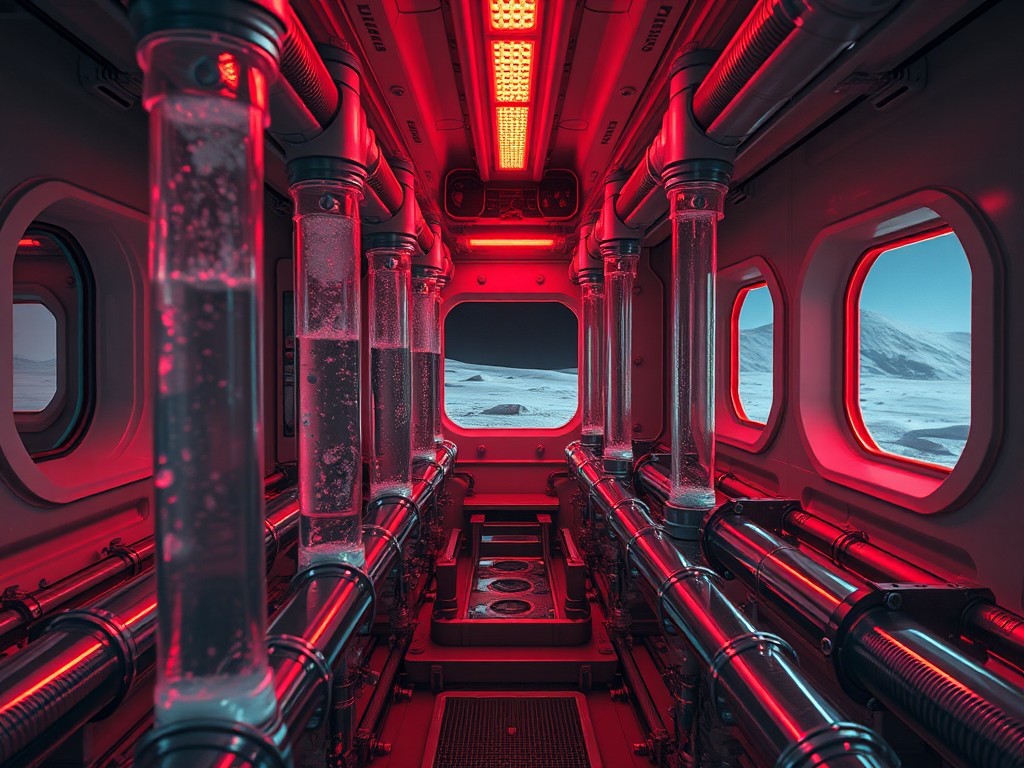
Technical solutions are emerging but face unique challenges in the lunar environment. Multiple purification stages will be necessary, including standard filtration to address turbidity and specialized processes like reverse osmosis for removing toxic metals. The urgency of solving this challenge became evident when researchers observed aluminum toxicity in plants grown in lunar soil, highlighting the potential dangers to biological systems. « Additional ions, including calcium, iron, and manganese, also need to be removed, as they were above acceptable levels in some test batches, » the research revealed.
The Race Against Moon Dust
The path to sustainable lunar presence requires overcoming this fundamental obstacle. While current space missions rely on water transported from Earth, future long-term stays will depend on processing lunar water resources. The DLR research has established a crucial testing platform for validating water purification processes, marking an essential first step.