

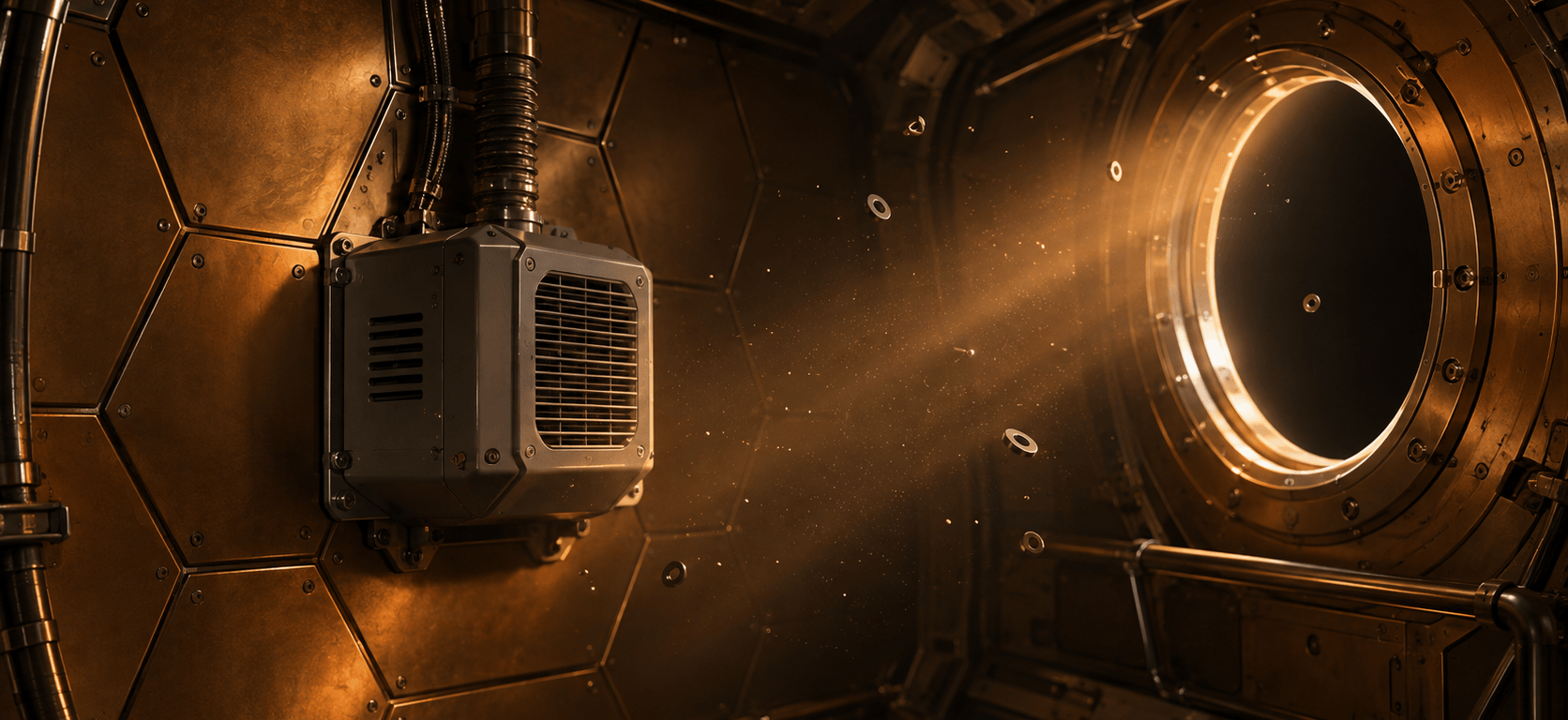
The cabin air has a say. On a long mission, the air itself may help set the pace at which bodies age. NASA Science reports that Sanghee Yun, of the Children’s Hospital of Philadelphia, will study hypercapnia, an excess of carbon dioxide (CO2) in the air, and how it acts on biological aging already driven by space radiation and social isolation. Hers is one of 12 NASA awards, worth more than $7 million from 2026 to 2030.
The spine keeps the receipt. Grace O’Connell, of the University of California, will examine the effects of microgravity (the near-weightlessness of orbit) and radiation on the spine, and which of them persist after recovery. The damage may outlast the mission, so sustainable exploration has to count the return trip and the years after it, not only the flight.
Some Scares Fizzle, the Rest Get Simulated
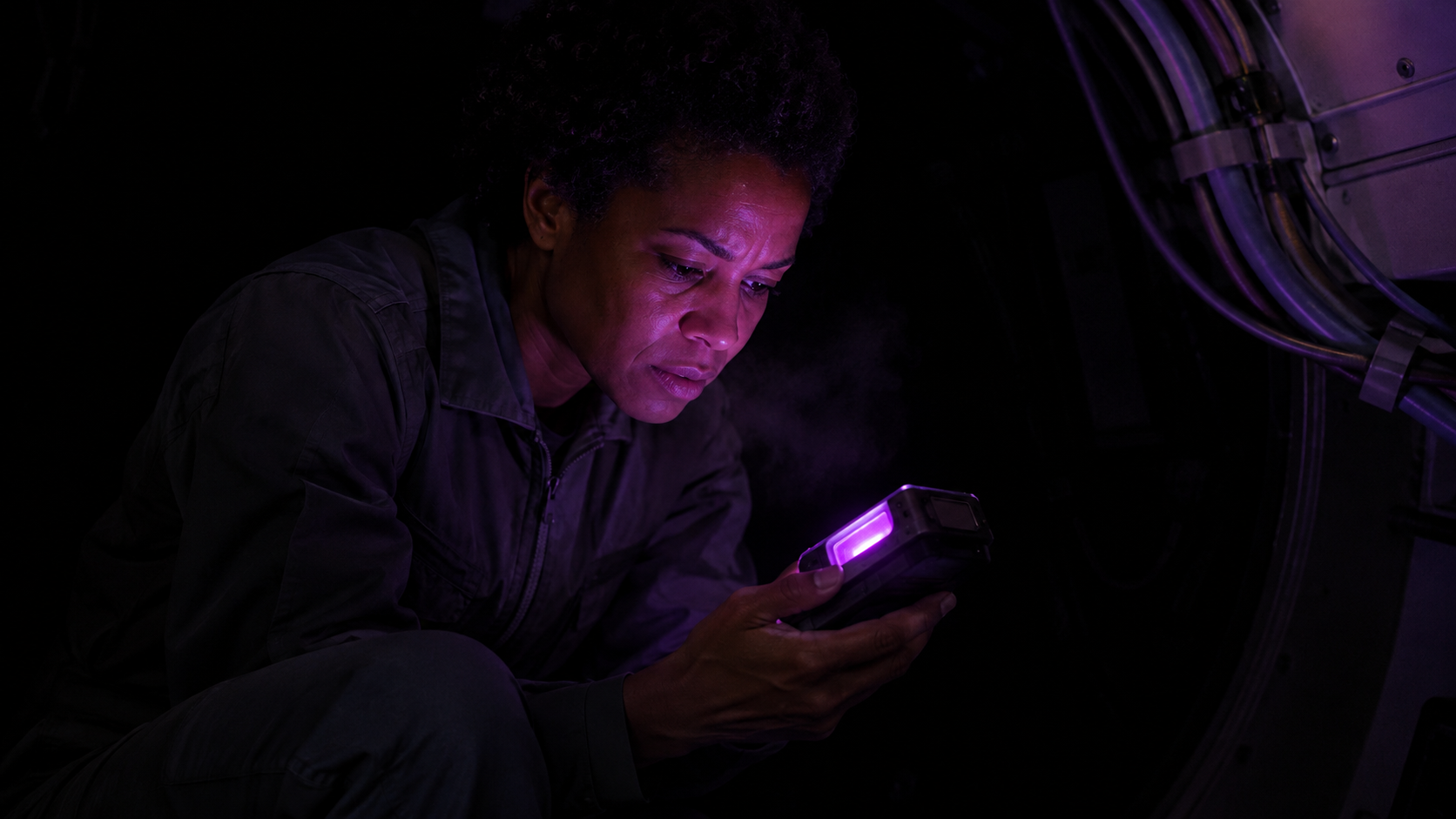
Not every scare sticks. In a review of aspirin and spacewalk risks, a hole between the heart’s upper chambers, present from birth in some people, was « not considered a major risk factor for VTE formation, » says NASA’s OCHMO working group (VTE is a blood clot in a vein). Mert Gur, of the University of Pittsburgh, goes further upstream: atom-level computer simulations of disease-causing mutations under conditions relevant to spaceflight, run on a screen before anyone flies.
Funded, not yet proven. All three projects run to 2030, and they are proposals just selected, not findings. Earth-bound tests also carry a limit, as a recent microbe study shows: « The experiments were run under standard laboratory gravity, » explains Bioengineer.org. In a spacecraft, the body belongs to the life support loop, and how well it holds up is still being measured.
[Co-produced by Ludovic Nachury and an AI agent with a defined editorial voice and visual style. Illustrations are AI-generated. Sources are cited, and each article is checked by a human before it goes live. How this works.]

