
In a groundbreaking partnership, NASA and Nokia are working together to set up a 4G network on the Moon, as reported by CNN. This lunar communication system will support high-resolution video and science data, playing a crucial role in NASA’s Artemis program, which aims to return astronauts to the Moon this decade.
Space-Qualified Cellular Equipment
Walt Engelund, deputy associate administrator for programs at NASA’s Space Technology Mission Directorate, told CNN that the first challenge is « having a space-qualified cellular equipment that meets the appropriate size, weight, and power requirements, as well as being deployed without a technician. » Nokia’s Bell Labs has developed a 4G network unit using commercial components to meet these challenges. The unit must operate in the harsh lunar environment of extreme temperatures and radiation.
Ice, Ice, Lunar Baby
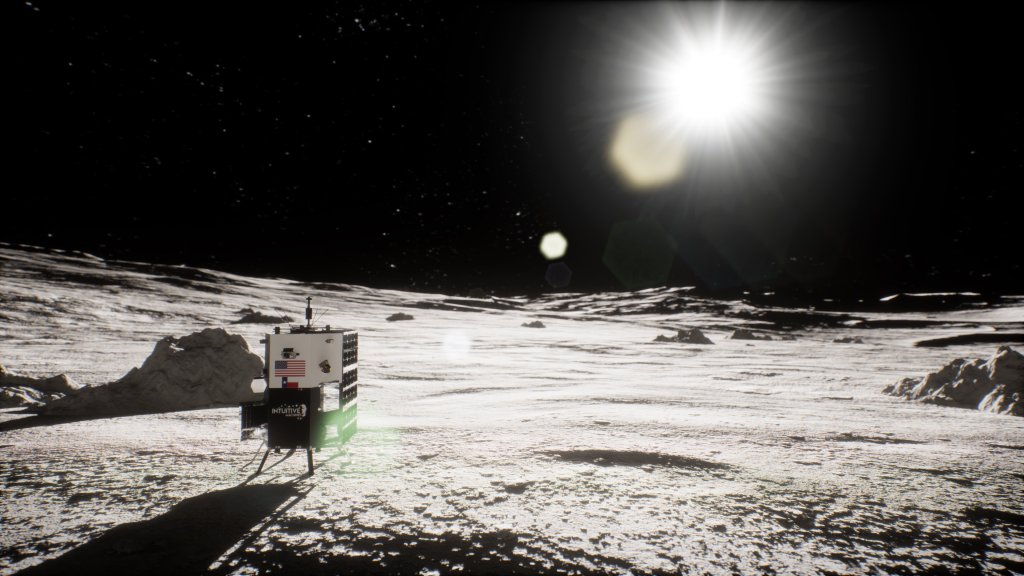
The lunar communication system will connect a lander to two roaming vehicles, the Lunar Outpost rover and the Micro-Nova hopper, which will search for ice on the Moon’s surface. Images of ice transmitted back to Earth in near real-time via the cellular network would be a world-first. Lunar ice could be used to create breathable oxygen and even fuel for future missions to Mars.
Thierry Klein, president of Bell Labs Solutions Research, stressed the importance of communication technologies for a future lunar economy. « A future lunar economy will critically depend on communication technologies to collect and analyze data, share information, and maintain and control operations, » Klein told CNN.
From Moon to Mars and Beyond
The establishment of a lunar communication network could eventually lead to an off-world internet, allowing space people to use smartphones with access to the same apps and services available on Earth. This innovative technology also has potential commercial benefits for Earth-based businesses, as a network capable of withstanding the journey into orbit and enduring the harsh conditions of space could also survive in the most remote and challenging locations on Earth.

