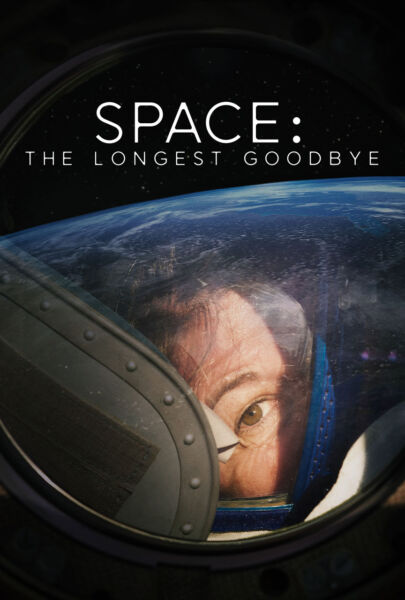
As humanity ventures further into space, addressing the emotional and psychological challenges faced by astronauts becomes increasingly important. In PBS’s new documentary, « Space: The Longest Goodbye, » directed by Ido Mizrahy, the human condition factor of extended space travel is explored, explained TV Insider. With a manned Mars trip estimated, according to NASA, to take two years, innovative solutions like robotic assistants and virtual reality experiences are being considered to keep astronauts mentally healthy and productive.
Astronaut Mom: Cady Coleman’s Experience
The emotional toll of space travel is a significant challenge that can’t be overlooked. Former International Space Station astronaut Cady Coleman shares her personal experiences with long-term separation from her family in the documentary. Coleman’s efforts to maintain connections with her then-10-year-old child through video chats and storytelling were emotionally taxing for both astronaut and family. NASA psychologist Dr. Al Holland is tasked with finding solutions to keep astronauts sane and productive during extended voyages.
Robo-Friends and VR Escapes
High-Tech Companionship: Robotic Assistants Among the innovative solutions being considered are robotic assistants and virtual reality experiences. Simon, a robotic assistant powered by IBM’s Watson technology, is designed to provide companionship and support for astronauts during their journey. Virtual reality experiences could also bridge the gap between astronauts and their loved ones back home, providing a sense of presence and connection.
« It’s important to be looking for solutions for how do we keep the humans in human spaceflight human » – Cady Coleman, former International Space Station astronaut, told TV Insider.
Overcoming Sci-Fi Stereotypes: Negative Perceptions
However, these technologies face a potential hurdle: negative perceptions from science fiction portrayals. Ido Mizrahy, the director of « Space: The Longest Goodbye, » noted the challenge of designing a friendly and non-creepy AI assistant: « The PR machine for IBM had to be super careful when they started working on Simon for the space agency, to make sure as much as possible that the shape of a Simon does not resemble Hal, doesn’t feel like Hal, like they’re sending a sort of evil AI brain to take over the spaceship. »
Implications for the Future of Space Travel
Addressing the human challenges of space travel is just as crucial as perfecting science and technology. A holistic approach to space exploration, one that considers both technical and emotional aspects, is essential for the success of a manned mission to Mars. The innovative solutions being explored for maintaining mental health and productivity in space could also have applications on Earth, such as improving long-distance relationships or developing better AI companions for the elderly.