

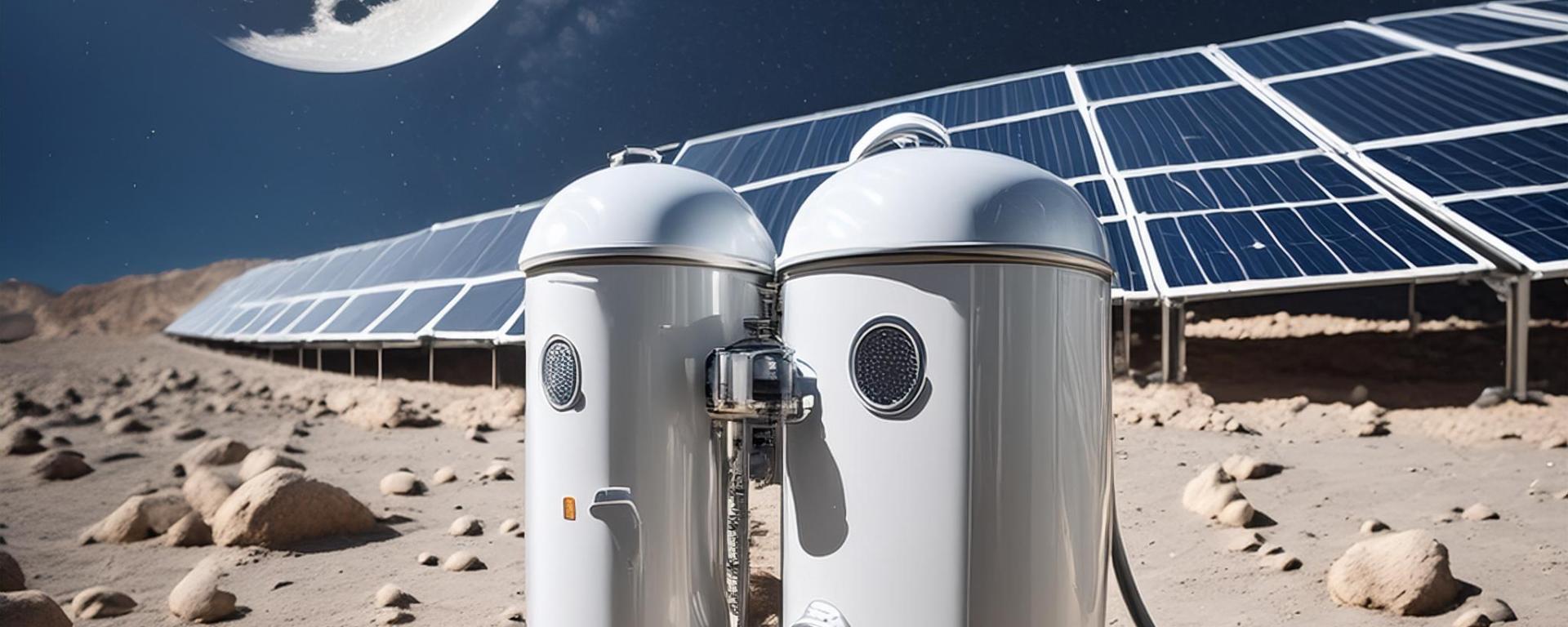
Japanese firms Ispace and Takasago Thermal Engineering are collaborating on a groundbreaking mission to produce hydrogen on the moon through electrolysis. As reported by Hydrogeninsight, this lunar mission, set to launch this winter, could significantly impact space travel and pave the way for sustainable human habitation in space.
Hydrogen: The Lunar Game-Changer
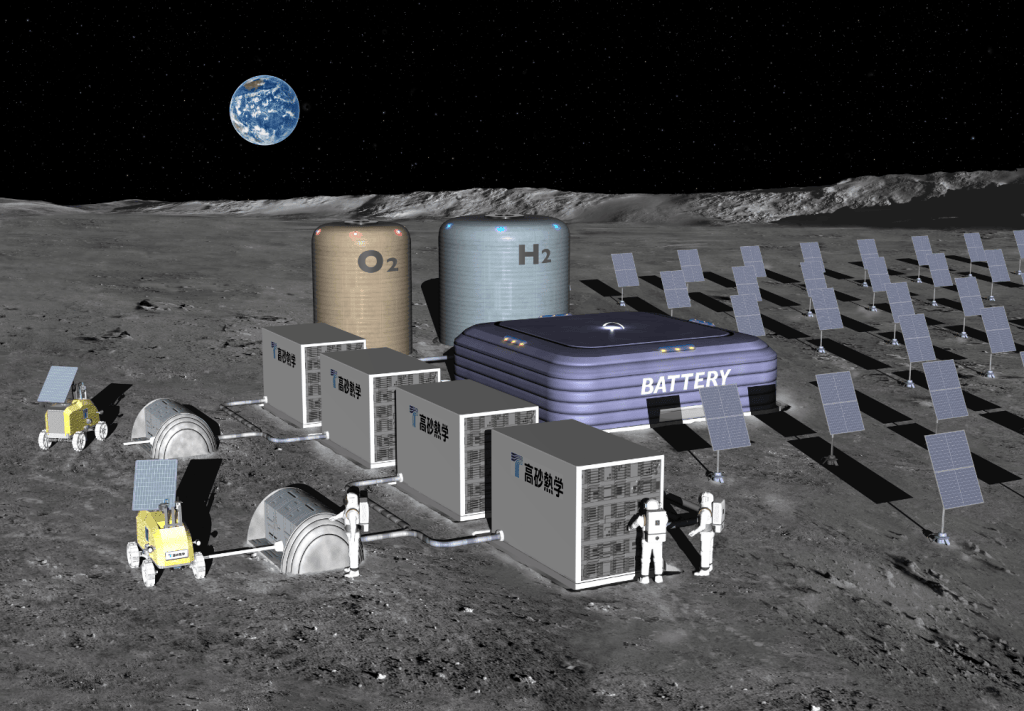
Ispace plans to use surface-level water, described as « untapped potential, » for electrolysis powered by solar panels. Takasago Thermal Engineering has developed a specialized water electrolyzer and storage tank system designed to function stably in the moon’s low gravity, withstand launch and landing vibrations, and maintain temperatures in the vacuum of space. « In the future, if hydrogen and oxygen are generated from water collected on the lunar surface, the hydrogen can be used as fuel for rockets, and the oxygen can be used by humans to live on the lunar surface, » Takasago noted in a press release quoted by Hydrogeninsight.
Crash Landing? No Problem!
The mission is not without challenges. Ispace’s first Hakuto-R mission crashed into the moon’s surface in April 2023 due to a software error and a change in the landing site. However, the company has pledged to update its software and use the same lander design for the second mission. « Remote electrolysis in a lunar environment could also have wider implications for extending the length of a mission while reducing the amount of expensive fuel needed from launch to carry out operations once on the surface, » explains Hydrogeninsight.
A Sustainable Future Among the Stars
The potential impact of this mission extends beyond space travel. The successful production of hydrogen on the moon could lead to advancements in sustainable energy and resource management, with far-reaching implications for society, the economy, and the environment. As Japan pushes the boundaries of space exploration, this groundbreaking lunar mission could be the first step towards a sustainable future among the stars.

