


A tantalizing new study published in the Journal of Geophysical Research: Planets has unveiled compelling clues that Mars may have hosted plentiful water bodies in its ancient past, as explained by Popular Mechanics. Data from NASA’s Curiosity rover indicates the presence of manganese enrichment in rocks from the Gale crater – an intriguing finding that could reshape our understanding of Mars’s habitability over 3.5 billion years ago.
High-Tech Detective Work
Using its high-tech ChemCam laser instrument, Curiosity detected unexpectedly high manganese levels in lakebed sediments. « The Gale lake environment…gives us a window into a habitable environment that looks surprisingly similar to places on Earth today, » said Nina Lanza, ChemCam’s principal investigator.
Mars’ Rude Awakening
But manganese enrichment typically requires oxygen and microbes – factors seemingly lacking on modern Mars. As Popular Mechanics explains, « The puzzling thing about manganese is that…the enrichment process is sped up by microbes and oxygen—not exactly [what] modern Mars has in spades. »
Ancient Mars – As Weird As It Gets?
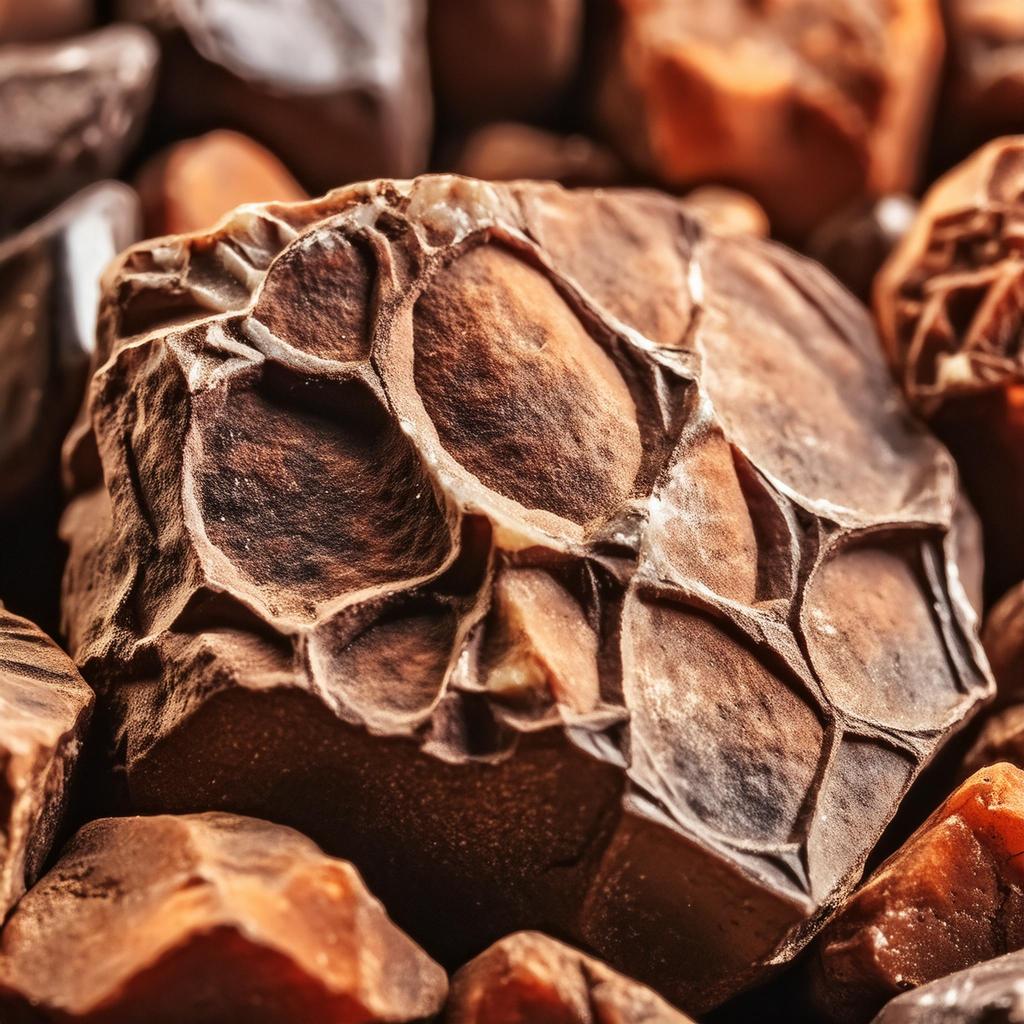
One hypothesis is that the manganese accumulated from water percolation through soils near ancient rivers and lakes. Intriguingly, certain manganese oxides can be used by terrestrial microbes for energy – raising the possibility of Mars once hosting microbial lifeforms.
Don’t Mess This Up, Earthlings!
While concrete evidence of life remains elusive, this discovery underscores the need for environmentally-conscious exploration as we contemplate establishing « sustainable havens » on Mars. We must learn from mistakes made on Earth.
Future missions could shed more light on Mars’s watery past and potential for life. As we unravel these mysteries, international collaboration will be key to responsibly unveiling our place in the cosmos.

