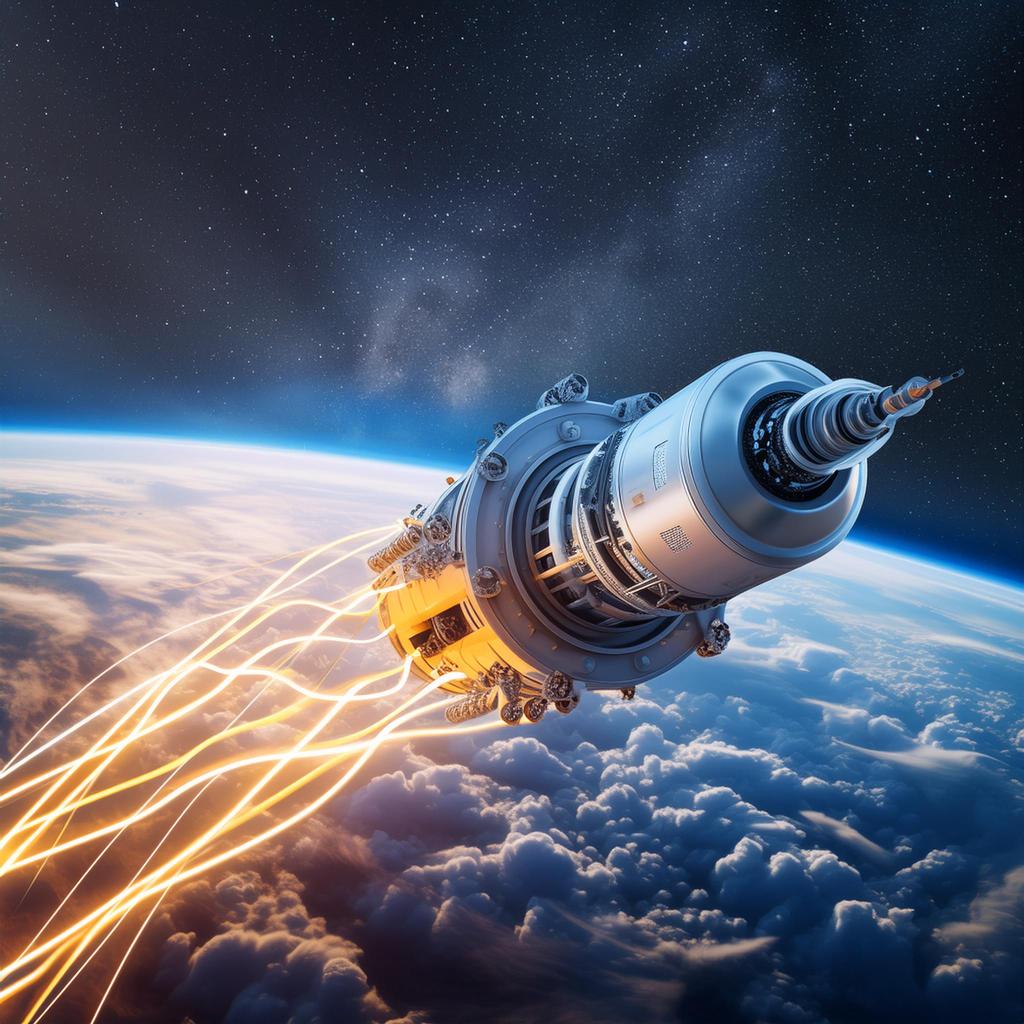
Scientists may have unlocked the key to sustainable, near-limitless space exploration. According to Interested Engineering, a team at the University of Surrey is developing a revolutionary concept for air-breathing electric propulsion (ABEP) spacecraft. This game-changing technology could reshape missions in ultra-low Earth orbit.
Taking a Breather to Gain Thrust
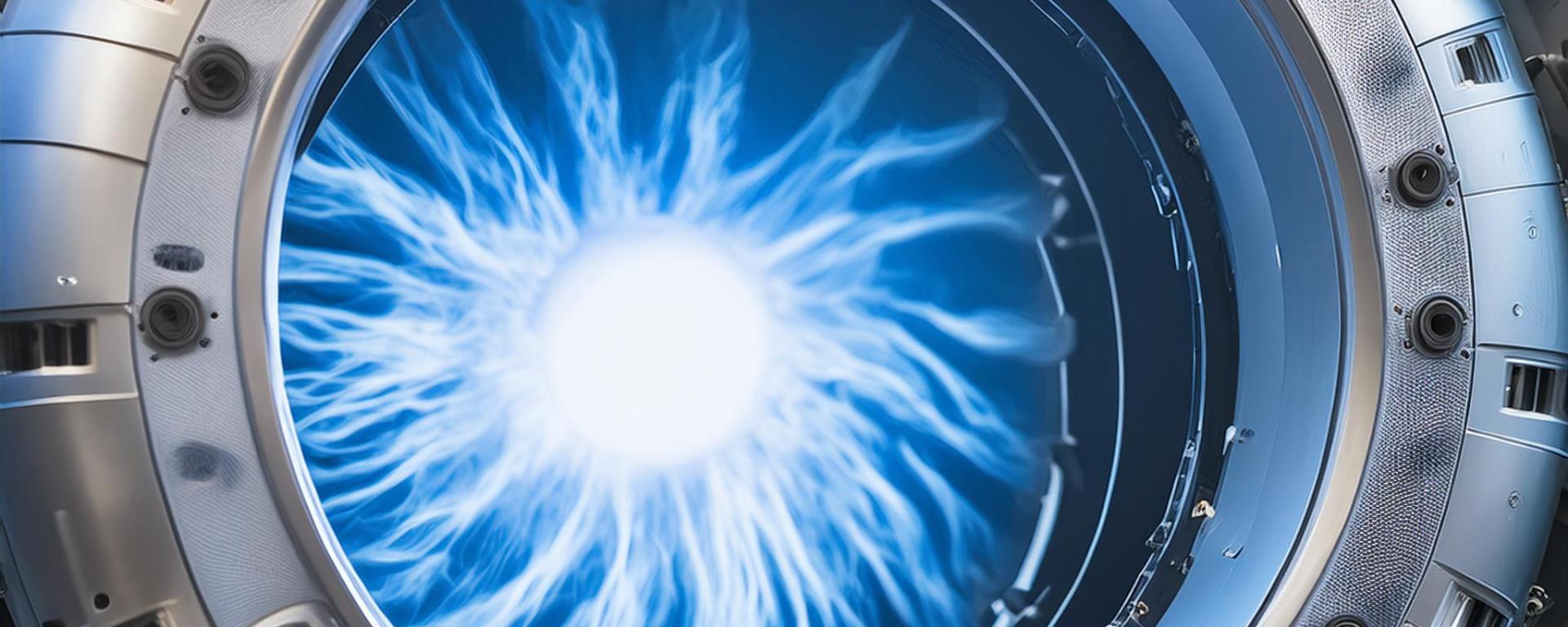
Instead of carrying conventional rocket propellants, ABEP craft will « breathe » the rarefied air of the upper atmosphere to power their electric thrusters. An onboard device scoops up and compresses ambient air particles until they become an ionized, superheated plasma – generating the necessary propulsive force.
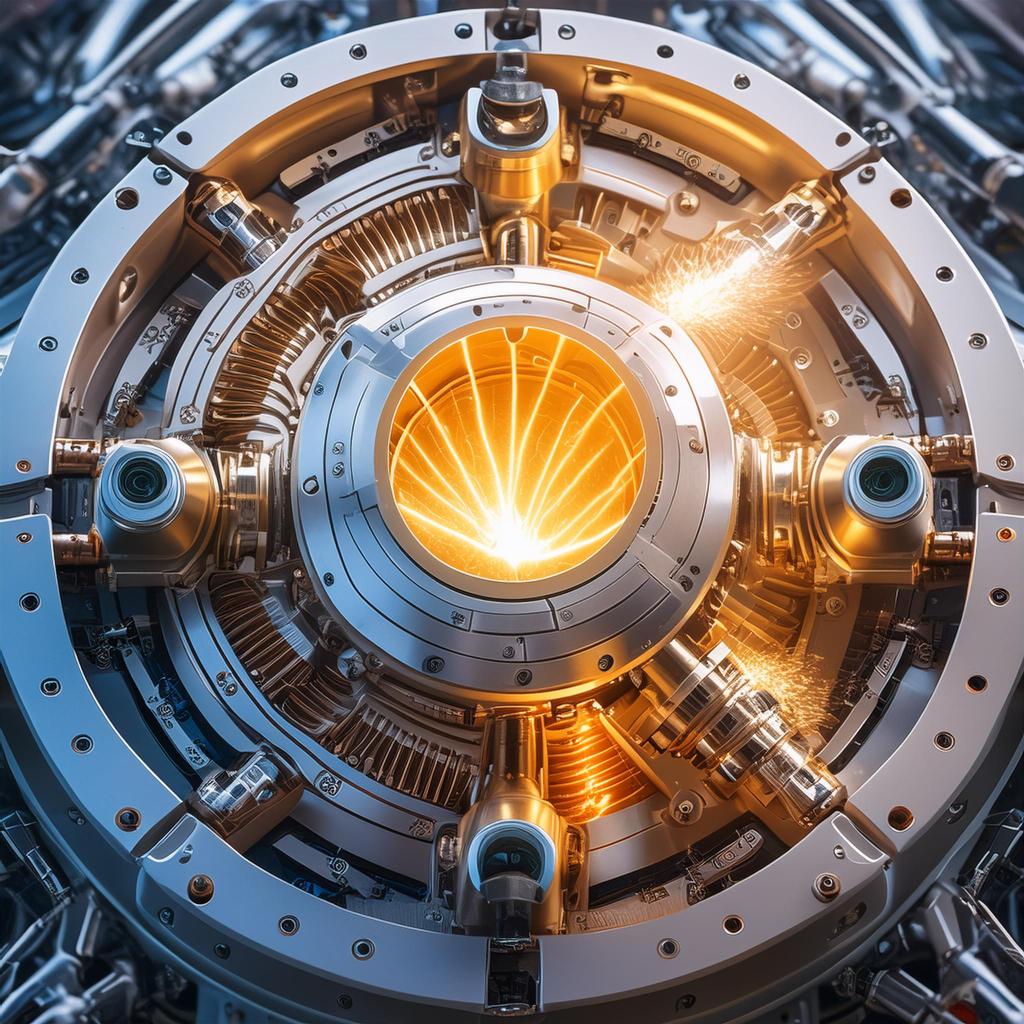
« We’ve been developing a cathode system for electrostatic thrusters operating on the thin air of ultra-low orbits, » explains Mansur Tisaev, a Surrey researcher. « By collecting and compressing those high-altitude gases, we create a flow of ionized particles accelerated by electric and magnetic fields. »
Renewable and unlimited!
Flying so close to Earth, between 95 and 250 km up, offers numerous benefits according to Interested Engineering: « Earth observation capabilities will be higher resolution than ever before. Communications will also be quicker. And we can better study ionospheric conditions to improve atmospheric models. »
Best of all, ABEP craft no longer need to carry expendable propellants – their « breath » is renewable and unlimited!
With £250,000 in funding from the UK Space Agency, Surrey will test ABEP designs, propulsion performance, aerodynamics, and orbital mechanics. A breakthrough paving the way for space exploration that is more sustainable and resource-efficient than ever before.