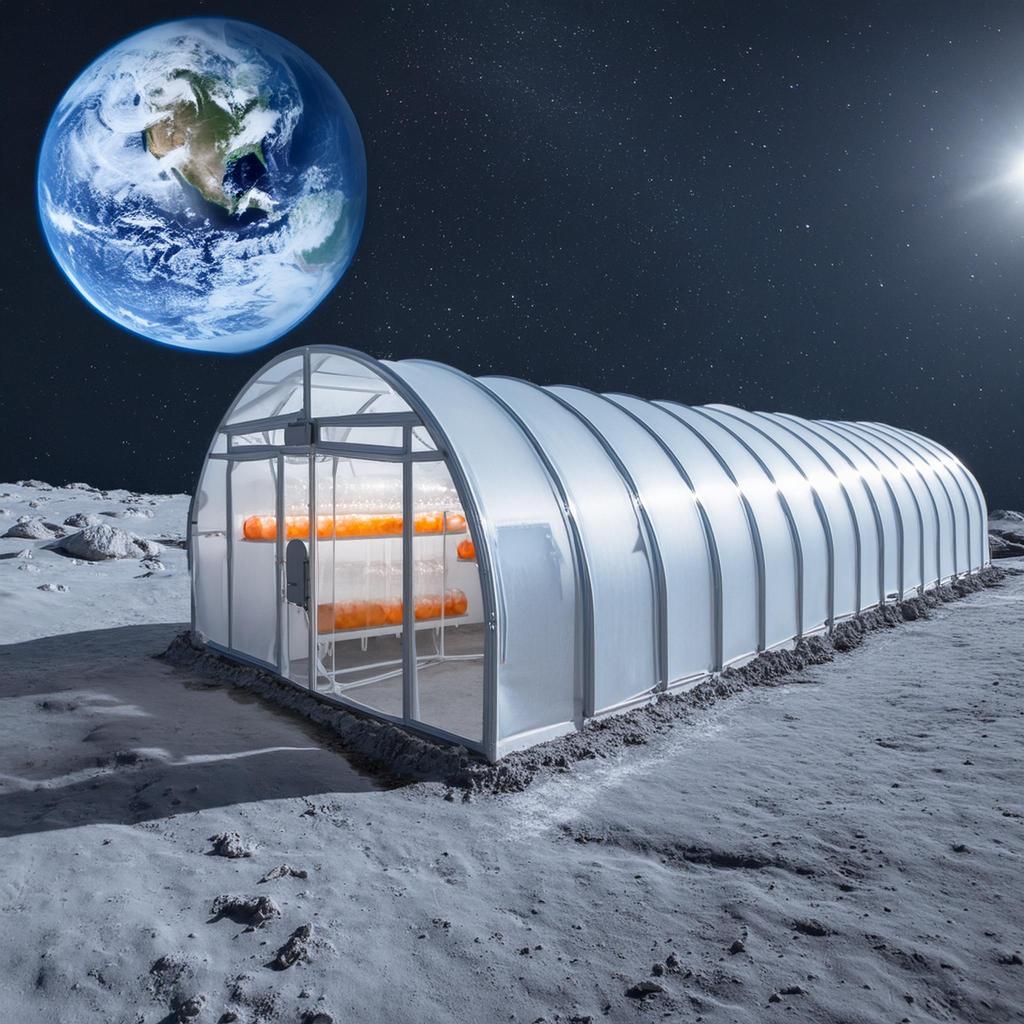

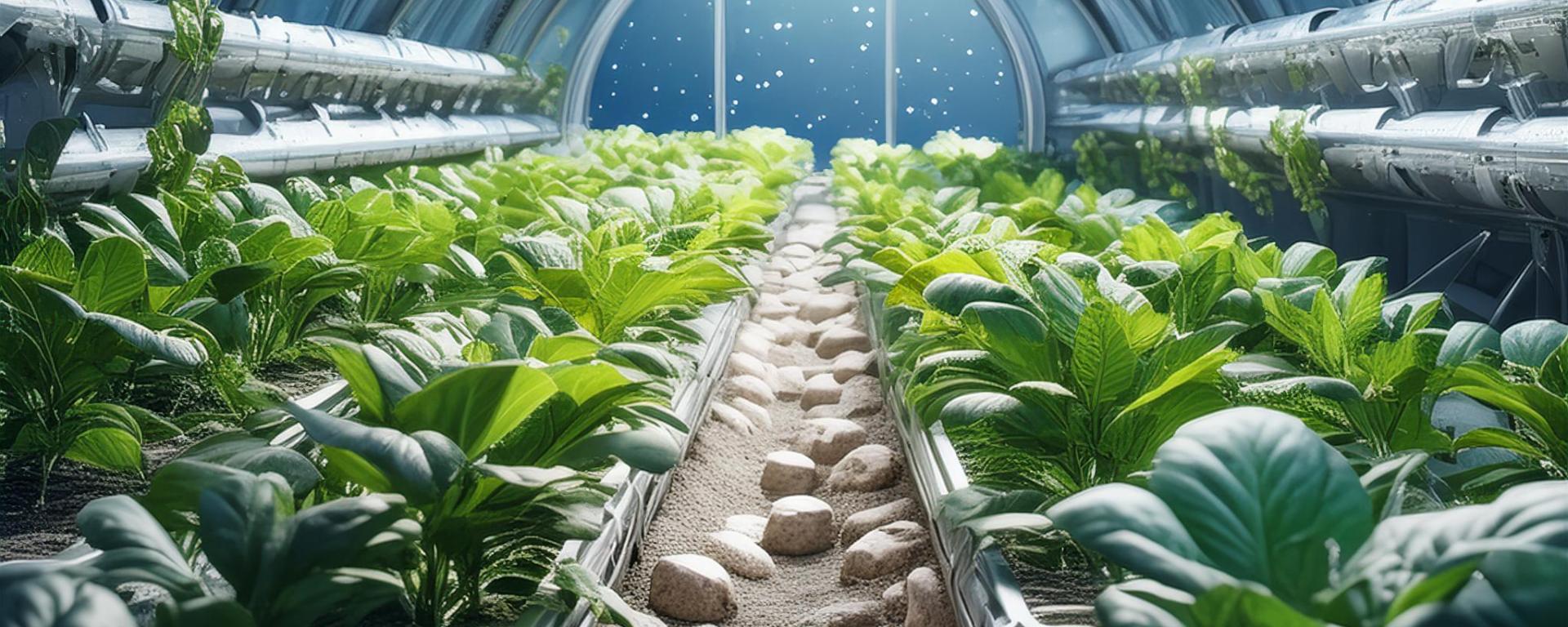
Imagine greenhouses sprouting from the dusty surface of the Moon, not built with Earthly materials but with the very dust underfoot. This isn’t science fiction. Researchers at NTNU Social Research and SINTEF, in collaboration with the European Space Agency (ESA), are pioneering methods to construct lunar greenhouses using regolith, or moon dust. This breakthrough could transform lunar exploration, eliminating the need to transport bulky building materials from Earth.
Cooking Up Moon Rocks
To achieve this, scientists have devised an innovative solution known as Lightweight Expanded Regolith (LER). LER is created by heating regolith mixed with a small amount of carbon (sugar) to around 1200 degrees Celsius. This heating process causes the regolith to expand, producing thermally insulating and lightweight blocks. This high temperature can be reached using concentrated sunlight or solar-charged electric ovens on the Moon, making the process feasible with the Moon’s natural resources.
Moon Farming 101: No Soil, No Problem
Building the greenhouse structure is only part of the challenge; the next step is creating a viable environment for plant growth. The researchers have developed waterproof cultivation boxes by coating LER blocks with sulfur, which can be extracted from the Moon. “There is not a lot of sulfur on the moon, but if the astronauts are able to extract it, there will be enough to make waterproof cultivation boxes,” explains the NTNU Social Research.
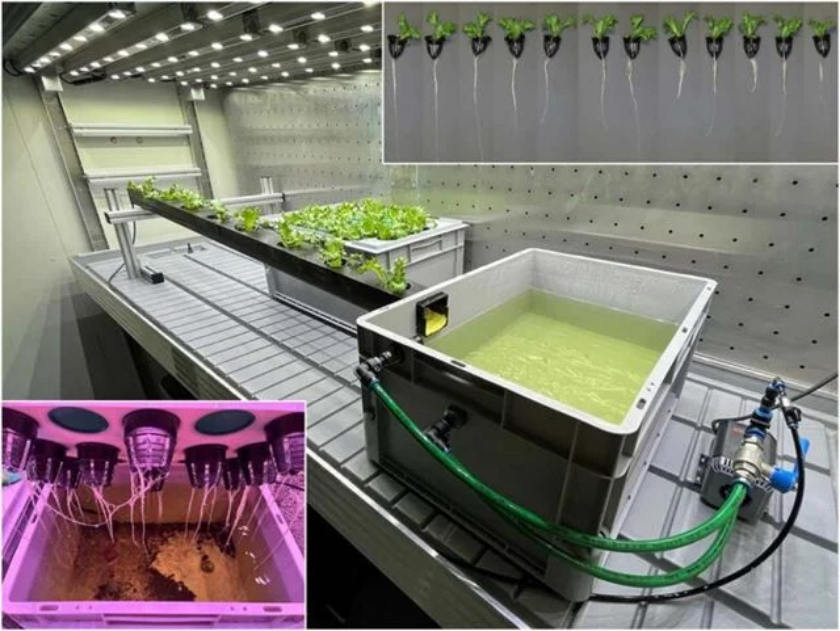
These boxes are crucial for hydroponic systems that allow plants to grow without soil. This innovative approach not only supports lunar agriculture but also has the potential to revolutionize sustainable farming practices on Earth, addressing the growing need for efficient plant-based food production.
Challenges Remain
Despite the promising advancements, challenges remain. Past attempts to use alternative materials in space construction have faced significant hurdles, highlighting the difficulty of adapting Earth-based techniques to extraterrestrial environments. “We cultivated a type of lettuce that was exposed to the lightweight expanded regolith to see if it would affect the lettuce’s growth,” explains NTNU Social Research.
Nonetheless, the ongoing research spearheaded by SINTEF and their partners not only paves the way for long-term space habitation but also pushes the boundaries of sustainable living on Earth, proving that out-of-this-world ideas can have down-to-Earth benefits.