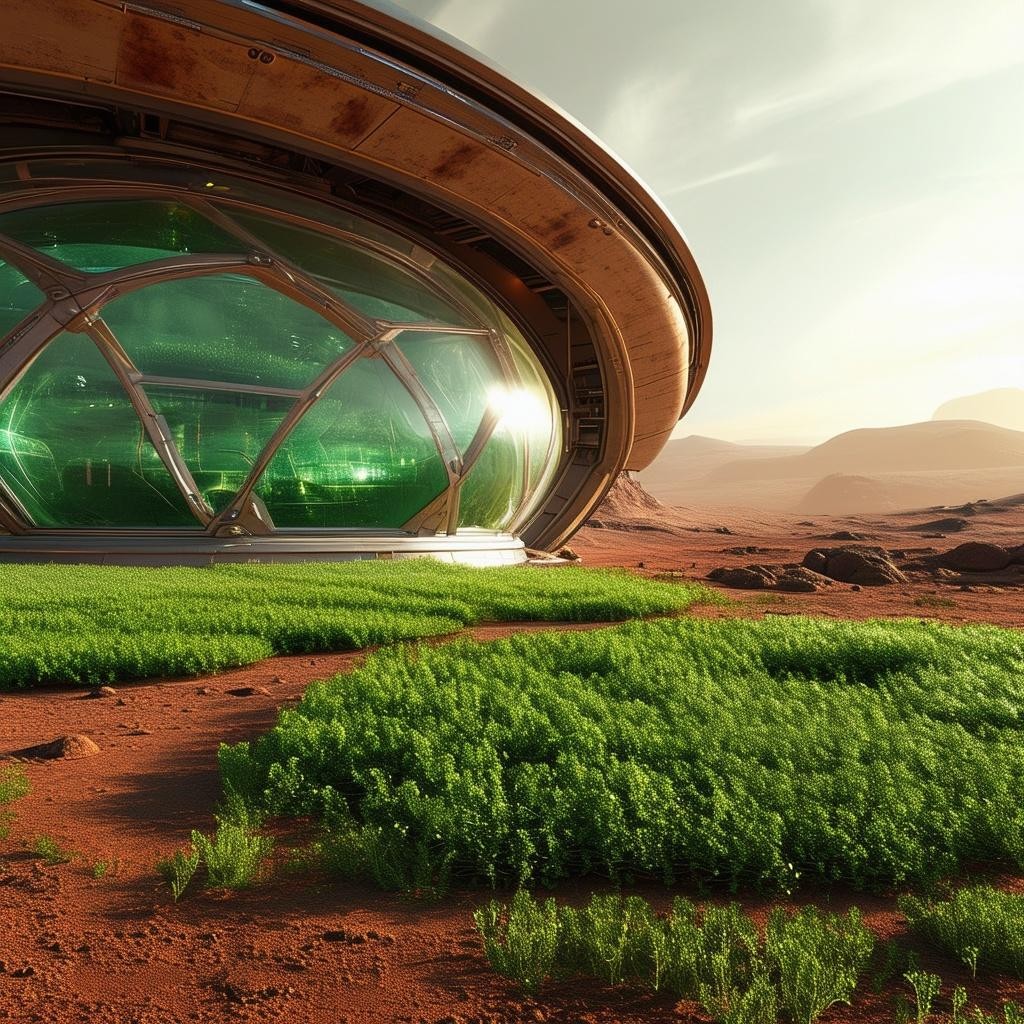
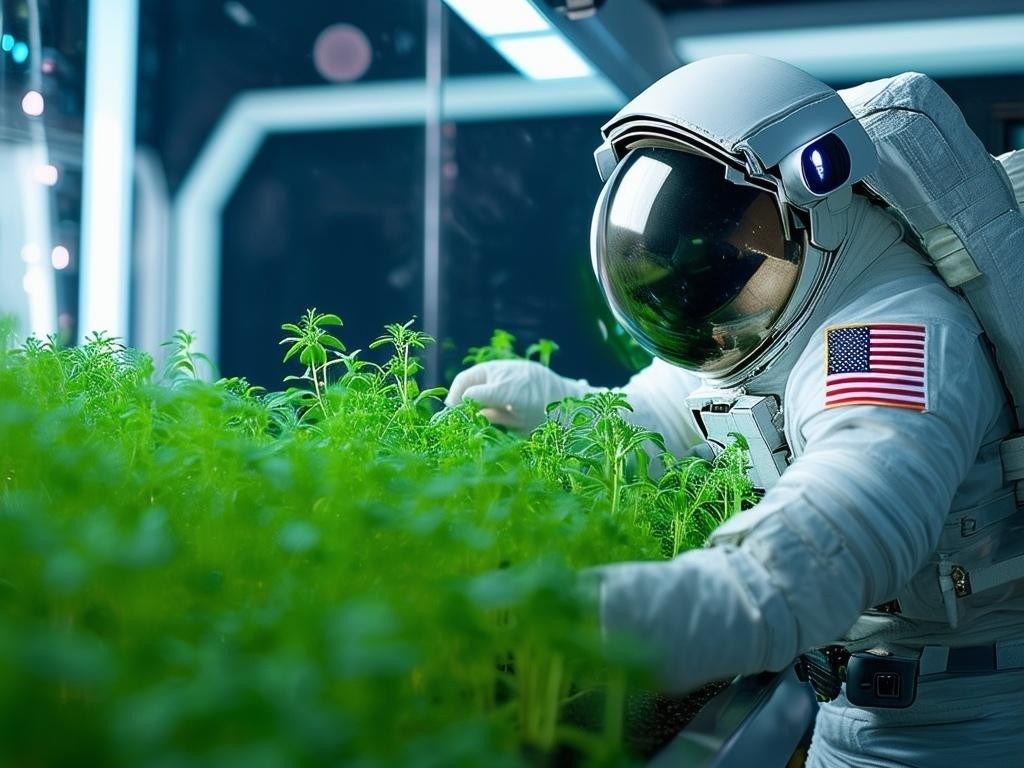
Alfalfa’s cosmic journey begins. A groundbreaking experiment led by Washington State University professor Norman G. Lewis is set to launch to the International Space Station (ISS) between February and April next year. The Spokesman-Review reports that this cosmic gardening project aims to tackle two critical challenges for future space exploration: reducing the need for fertilizers and improving plant biodegradability in extraterrestrial environments.
Tiny seeds, giant leap. The experiment will send 288 alfalfa seeds to the ISS for a six-week growth period. These diminutive space travelers will be at the forefront of studying nitrogen fixation in microgravity. « One of the main reasons for doing this is that as one considers going to the moon or to Mars, the ability to just grow plants so far away is gonna have a great demand on things like fertilizer, » Lewis explained to The Spokesman-Review. The research team will also examine lignin levels in the space-grown alfalfa, potentially leading to more easily biodegradable plants for future off-world settlements.
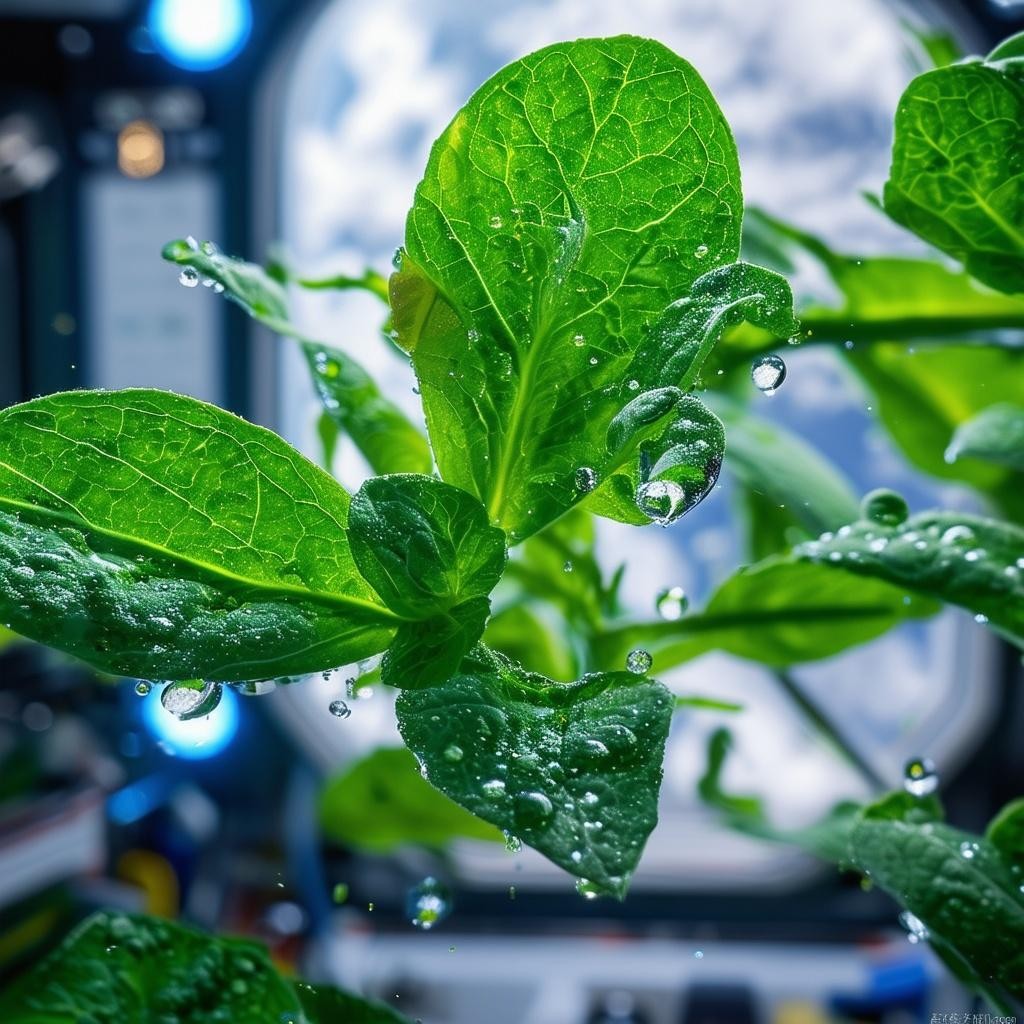
Houston, we have a garden!
Space farming: not your average green thumb hobby. Growing plants in space presents unique challenges, including the presence of ethylene gas and the peculiar behavior of water in microgravity. To combat these issues, the team has developed innovative solutions, such as using Turface, a material commonly found on baseball fields, to improve water absorption in the space-based soil.
However, unforeseen complications may still arise. As retired WSU professor and project co-investigator Michael Kahn notes, « We’re trying to see whether the symbiosis can be established, whether these plants and the bacteria are able to do the interaction that we can see very easily on the ground. »
Seeds of tomorrow’s space exploration. This $650,000 to $800,000 project builds upon previous ISS experiments, including the Final Frontier Plant Habitat. Results are expected to be available around February 2026. As humanity reaches for the stars, these humble alfalfa seeds may well be laying the groundwork for our cosmic future.