
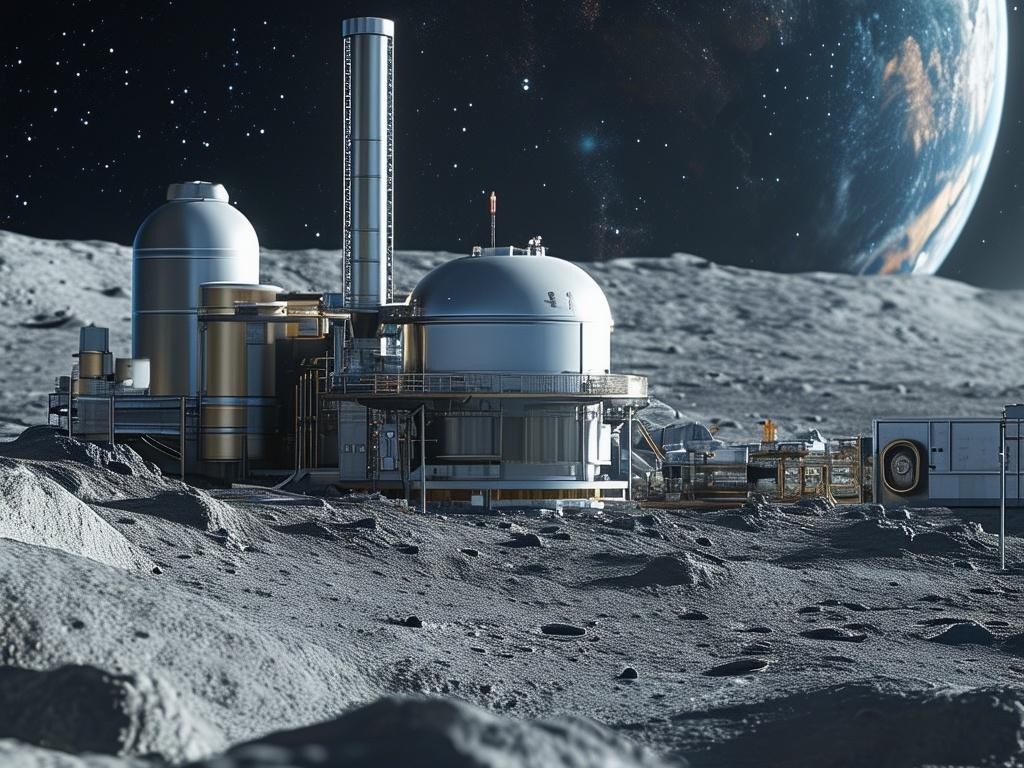
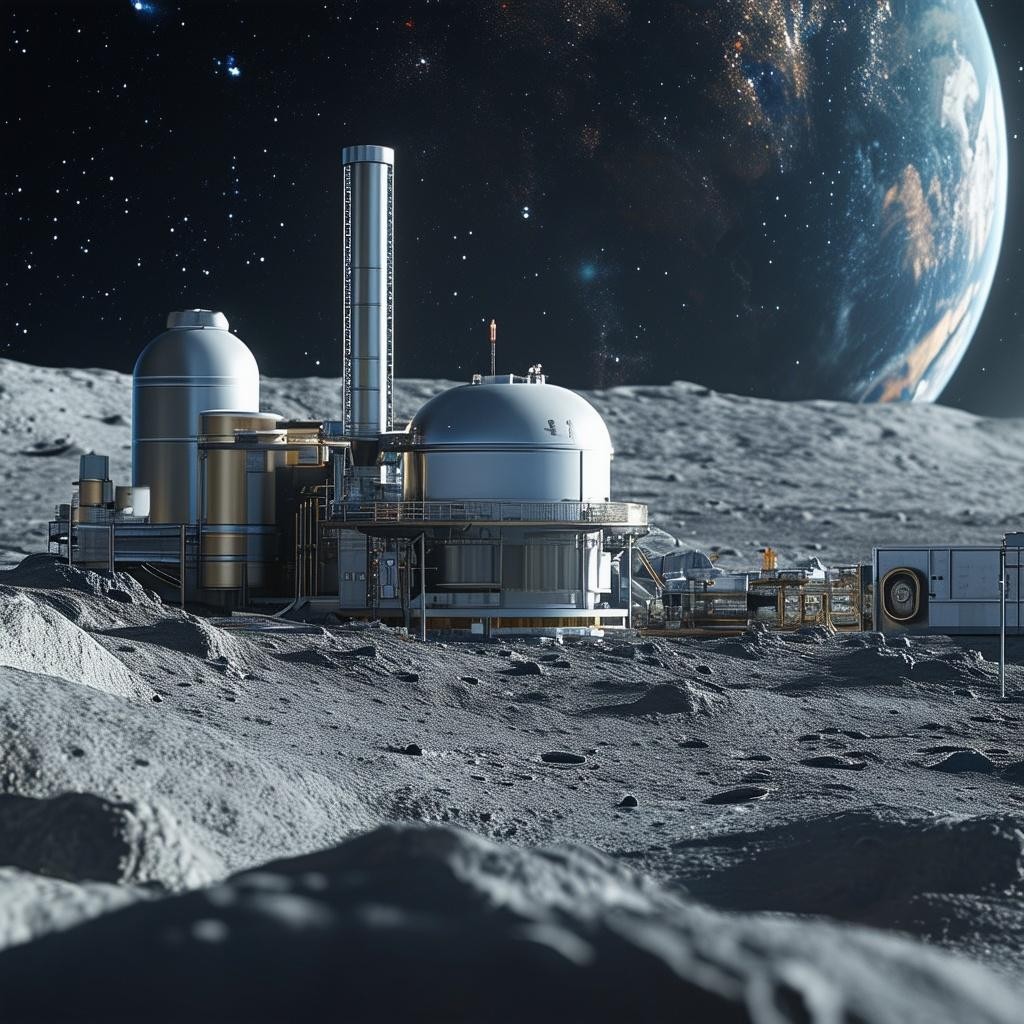
Lunar catapult or sci-fi dream? Imagine a gigantic slingshot on the moon, hurling precious resources back to Earth. This isn’t science fiction, but a bold proposal from Chinese scientists. According to a recent report by Interesting Engineering, researchers from the Shanghai Institute of Satellite Engineering have unveiled plans for a magnetic launcher on the moon, designed to transport lunar resources to Earth in a cost-effective manner.
Hammer throw goes cosmic. The proposed system takes inspiration from the hammer throw and employs magnetic levitation technology. This innovative approach could revolutionize space resource utilization by ejecting payloads twice daily at a fraction of current transport costs – approximately 10% of existing methods. The launcher would consist of a 50-meter rotating arm powered by a high-temperature superconducting motor. By leveraging the moon’s high vacuum and low gravity, the system aims to accelerate capsules to the lunar escape velocity of 2.4 km per second, setting them on a trajectory back to Earth.
Helium-3: The Moon’s Energy Jackpot?
Lunar gold rush for future fusion. The primary objective of this ambitious project is to extract and return helium-3, a potential game-changer for Earth’s energy crisis. While our planet has a meager 0.5 tonnes of helium-3, the moon’s soil is estimated to contain a staggering 1 million tonnes. This vast reserve could theoretically power the world’s energy needs for over a thousand years. Chinese researchers suggest that just 20 tonnes of helium-3 could meet China’s annual electricity demand.
Reality check: fusion frustration. However, significant challenges remain. The extraction and utilization of helium-3 are complex processes that require further technological development. Critics argue that the infrastructure needed for helium-3 fusion on Earth is still far from reality, potentially limiting its immediate impact on our energy landscape.
Lunar launcher: coming soon?
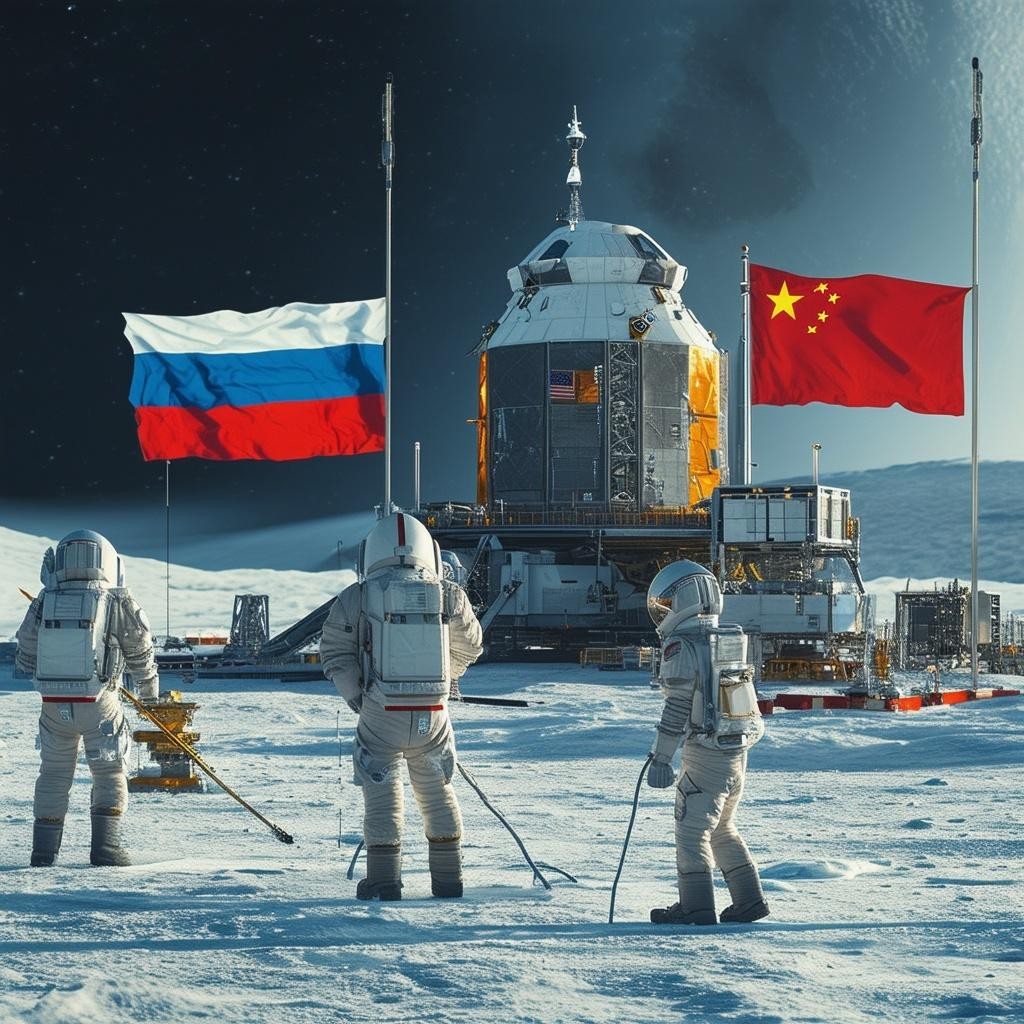
This magnetic launcher could be a cornerstone of a proposed Russian-Chinese joint effort to establish a research station at the lunar south pole by 2035. The project’s ambitious timeline envisions key component development completion by 2030, followed by surface testing and full-scale implementation by 2045.
Chu Yingzhi, co-author of the research paper, highlighted the economic potential at last year’s China Association for Science and Technology meeting. « Mining three to five tonnes of helium-3 annually could generate revenues of 100 billion yuan, » he explained in his paper, as explained by Interesting Engineering.
Moonshot challenges ahead. The road ahead is not without obstacles. The team must overcome challenges such as installing the launcher on the moon’s rough surface, maintaining stability at high speeds, and protecting the system from extreme temperature fluctuations, cosmic radiation, and abrasive lunar dust.