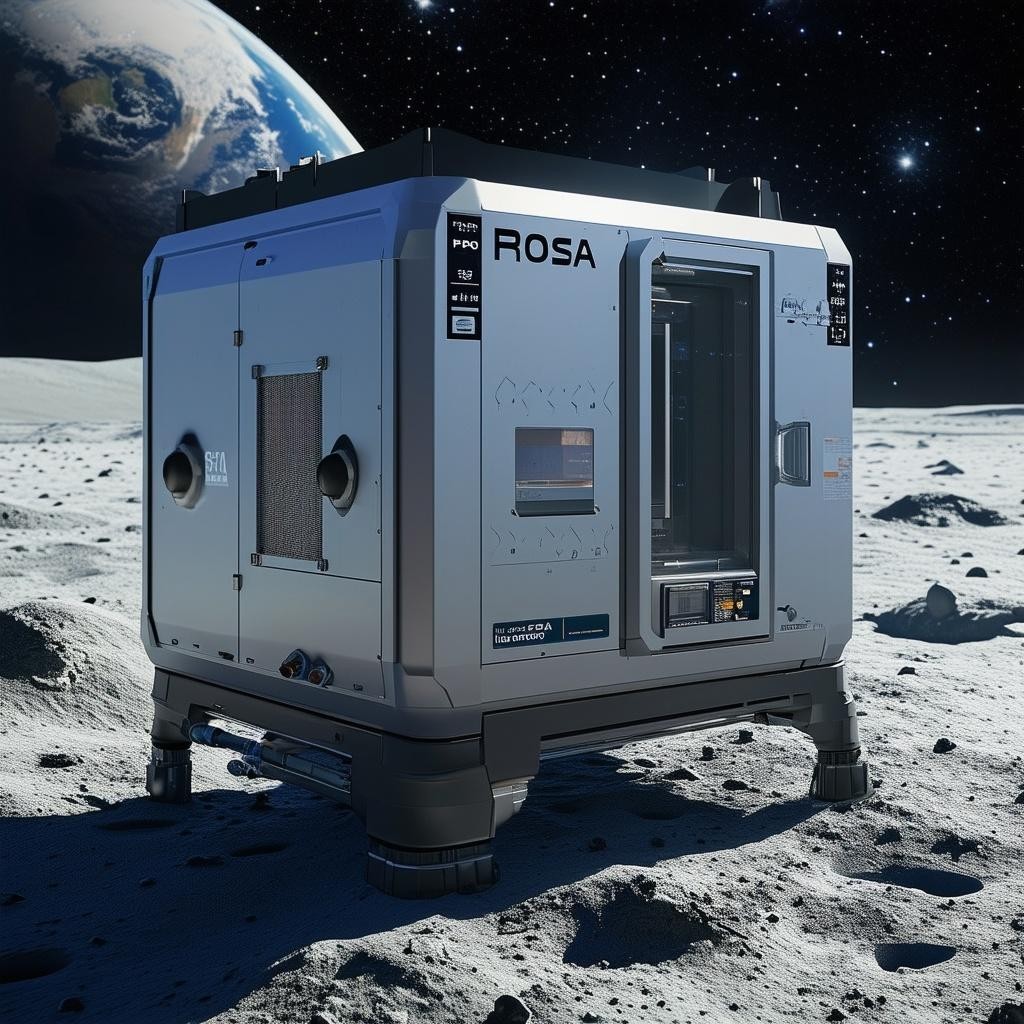
Moon madness strikes again! The race to uncover the moon’s secrets is heating up, with scientists from The Open University (OU) and RAL Space leading the charge. As reported by Phys.org, these lunar detectives are sending a miniaturized laboratory called ProSPA to the moon’s South Polar region. Their mission? To sniff out volatile elements, including the Holy Grail of space exploration: water ice.
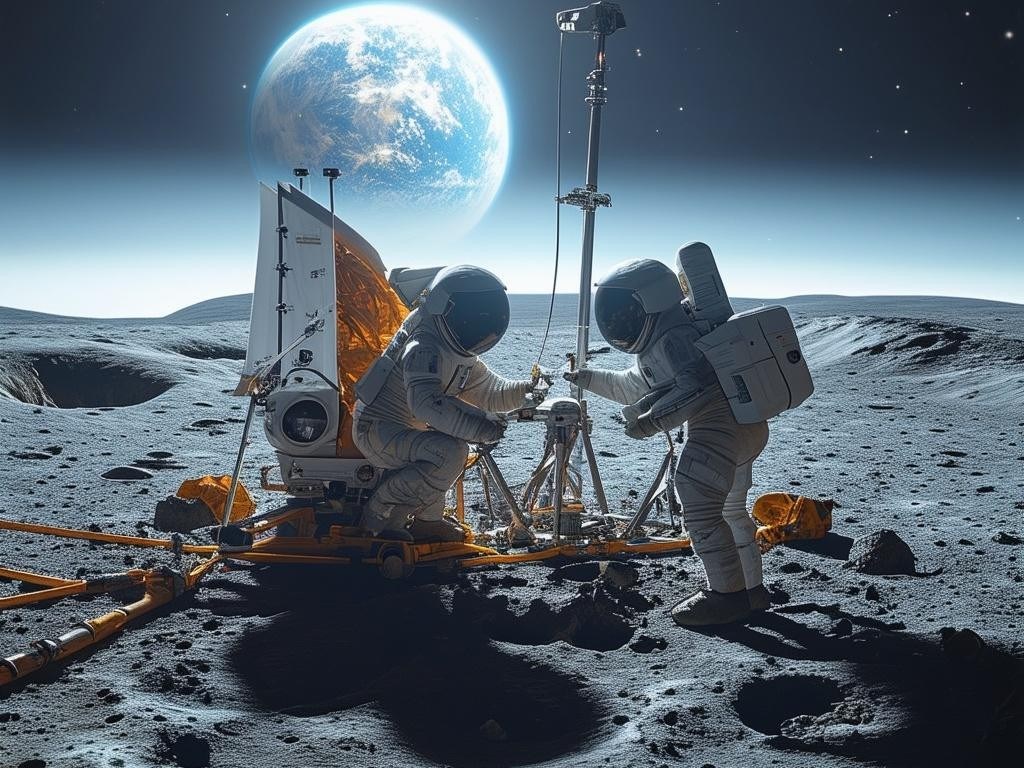
Drill, baby, drill! The Prospect package, part of ESA’s lunar exploration efforts, is hitching a ride with NASA’s Commercial Lunar Payload Services initiative. This high-tech treasure hunt combines a robotic drill (ProSEED) that can burrow up to one meter deep with a mini-lab (ProSPA) for on-the-spot analysis.
Squeezing Resources from Moon Rocks
Waste not, want not! The Prospect mission is part of a global effort to identify potential lunar resources for sustainable, long-term human presence on the moon. But hold your horses – we’re not talking about a lunar gold rush here. Unlike Earth’s often reckless resource extraction, any lunar mining would need to be done responsibly and sustainably. The primary target? Water, which could be a game-changer for future space exploration.
Frozen assets aren’t just for Earth anymore. Recent measurements suggest that there might be pockets of frozen water at or below the lunar surface, especially in polar regions. Richard Fisackerly, Prospect project manager, points out, « Prospect joins a new wave of lunar science and exploration that could open the door to the use of lunar resources. For example, extracting oxygen directly from lunar rocks and dust could be an efficient way to supply oxygen for human habitats or spacecraft propulsion. »
One small step for a drill, one giant leap for lunarkind. ProSEED has already aced its trials on Earth, proving it can penetrate hard materials and collect samples in moon-like conditions. As Dr. Simeon Barber from The Open University enthusiastically states, « We look forward to analyzing fresh samples drilled from the moon’s south polar region, which might contain ancient reserves of water and other ices. »