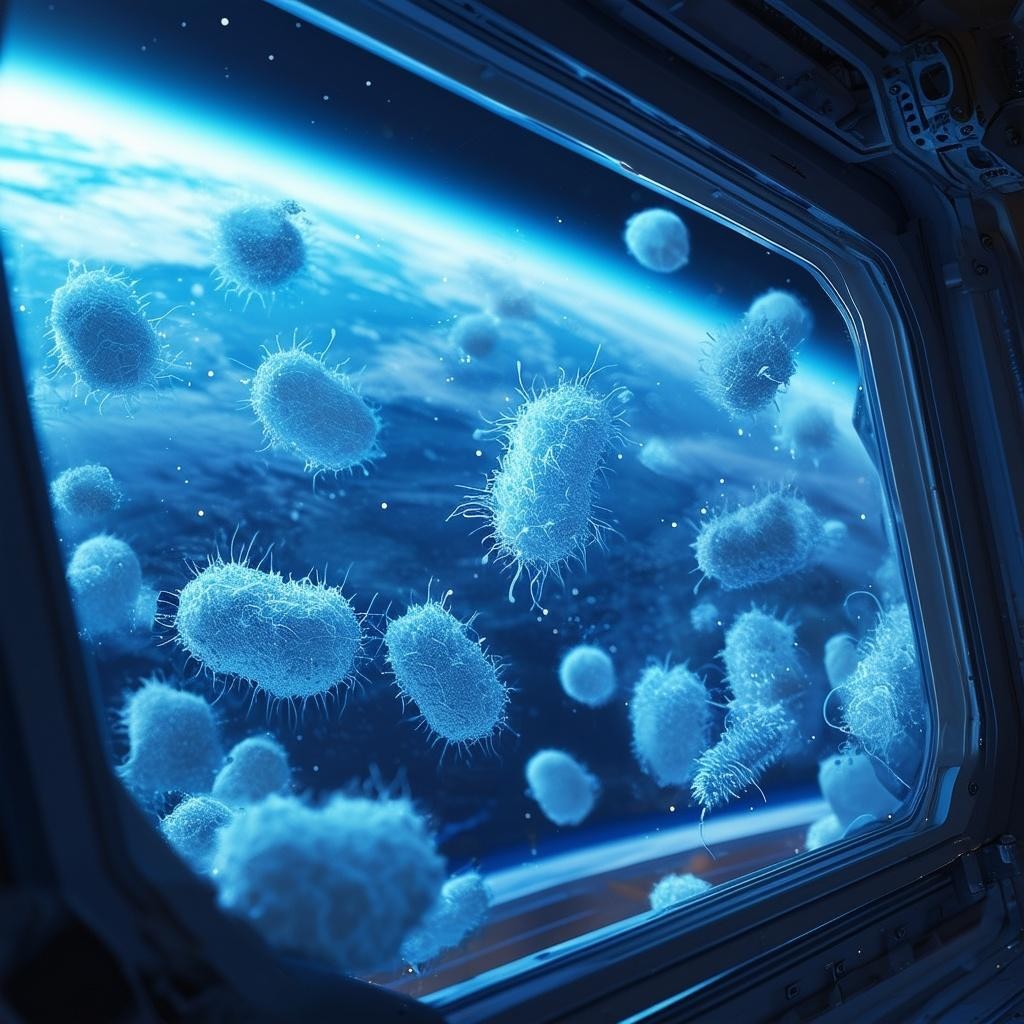
Microscopic space travelers. In a study published in Nature, scientists have uncovered a surprising discovery happening right under our noses – or rather, in our guts. Researchers from various institutions have revealed that space travel doesn’t just affect astronauts, but also the billions of tiny bacteria they carry in their digestive systems.
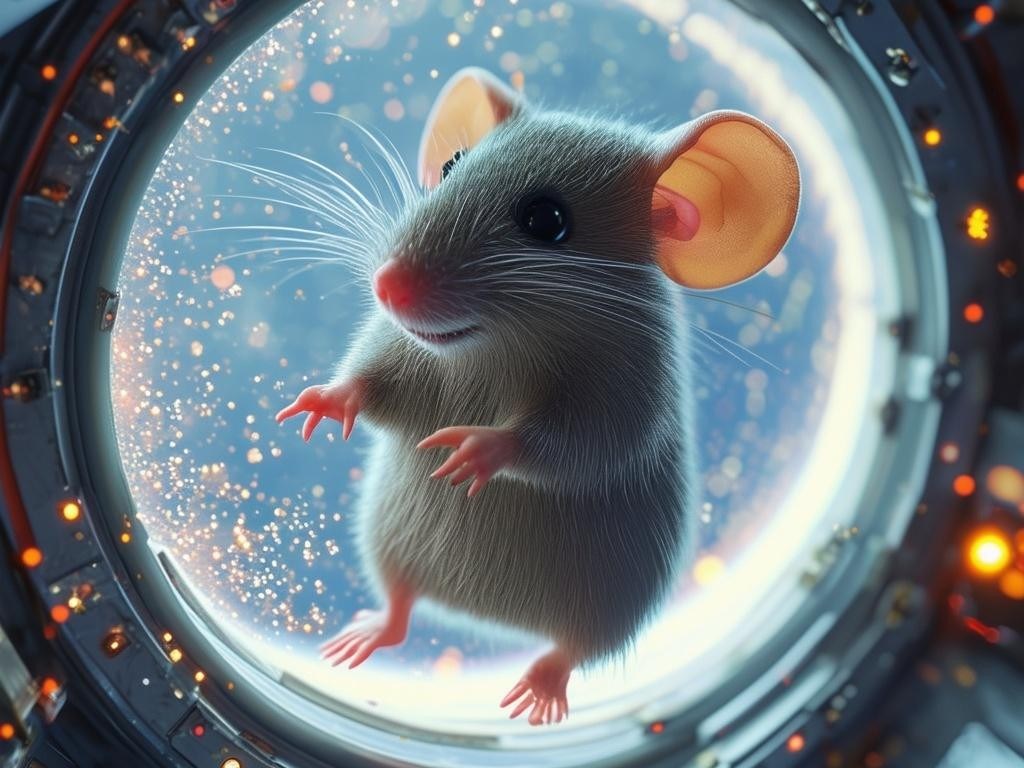
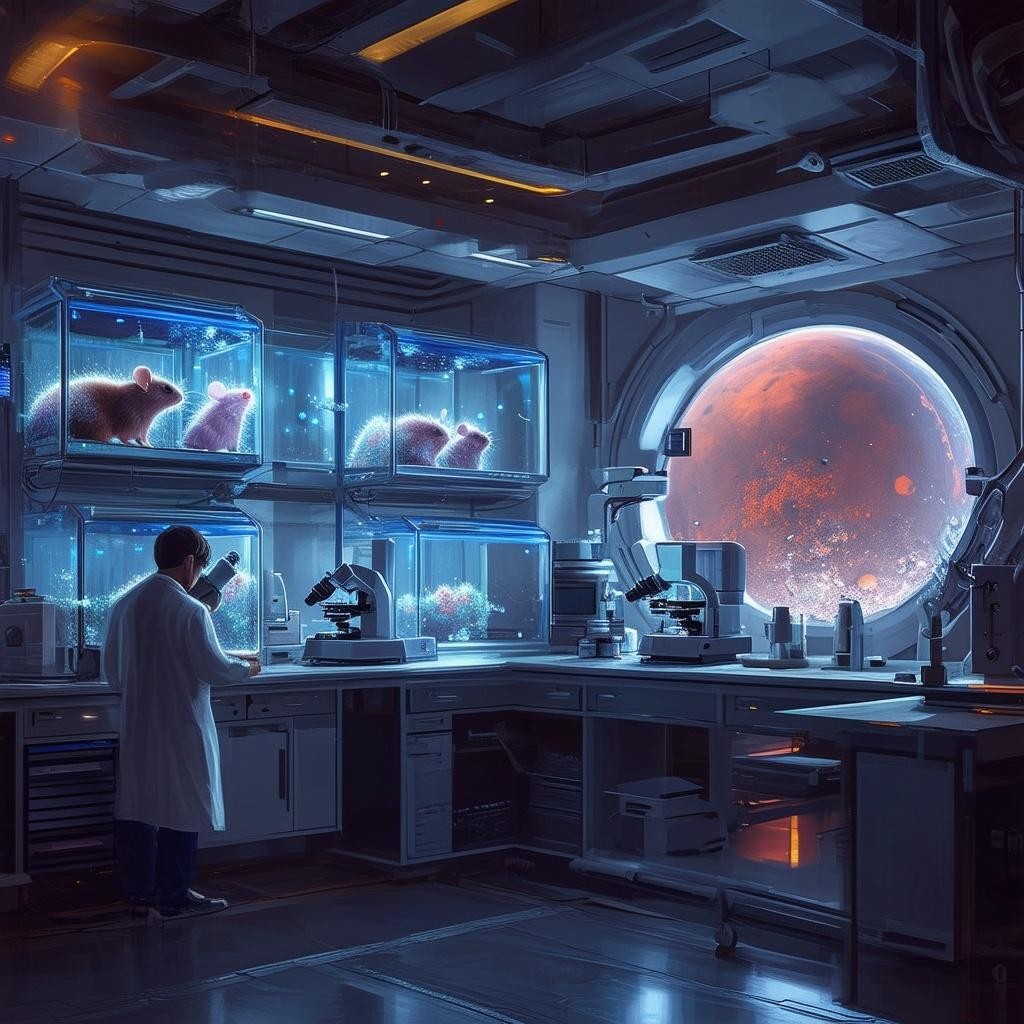
Gut changes in zero gravity. The study, conducted on mice aboard the International Space Station (ISS), found significant changes in 44 types of gut bacteria after just a few weeks in space, including a decrease in bacteria that help digest food and keep the gut healthy. These microscopic changes weren’t just limited to the gut. The mice’s gut and liver cells changed how they used energy and processed waste, while their immune systems showed signs of becoming less active in space.
Space weight gain: Breaking the mold
Defying expectations. But here’s where the story takes an unexpected turn. While astronauts typically lose weight in space due to muscle and bone loss, these space-traveling mice broke the pattern. Surprisingly, the mice in the study actually gained weight during spaceflight. This unexpected finding challenges what we thought we knew about how bodies adapt to the space environment and raises new questions about long-term living in space.
Implications for future space missions. These discoveries have important implications for future space explorers, especially those aiming for long trips like going to Mars. As we push further into space, understanding how our gut bacteria respond to the space environment becomes crucial. The complex relationship between our bodies and these microscopic space travelers may be key to keeping astronauts healthy on long space missions.