
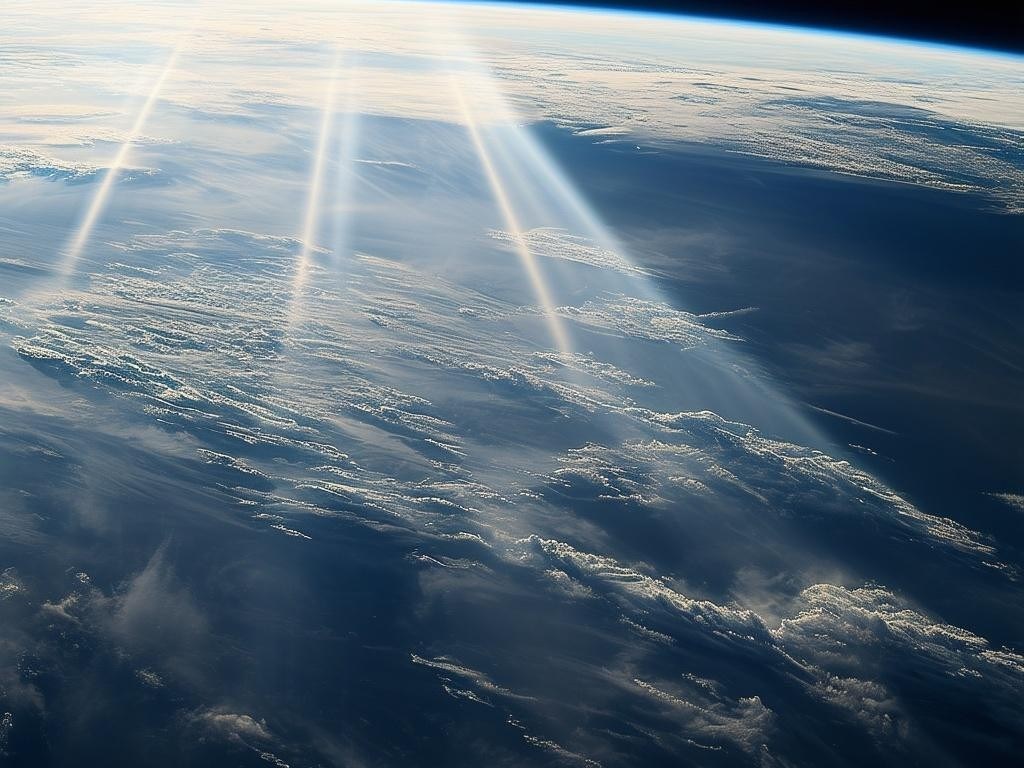
Houston, we have… daylight? A California startup is reaching for the stars, quite literally. Reflect Orbital, a company that has recently caught the attention of tech enthusiasts and skeptics alike, is proposing an audacious plan: selling sunlight at night. As reported by Mashable, this innovative concept involves using space-based mirrors attached to satellites to reflect sunlight onto specific locations on Earth after dark. The company’s website even allows users to « reserve a spot of light » with delivery promised to begin in Q4 2025.
Mirror, mirror, in the sky… The technology, while promising, is still in its infancy. Reflect Orbital has yet to launch any satellites, having only tested their mirrors on hot air balloons so far. A demonstration video shared by the company’s CEO, Ben Nowack, shows an app controlling a spot of sunlight on the ground. However, the authenticity of this video has been called into question, with Nowack himself admitting it was a « simple demonstration » with « lots of work ahead. » The technical challenges of accurately directing sunlight from orbit to specific Earth locations are formidable, raising doubts about the feasibility of the project in its current form.
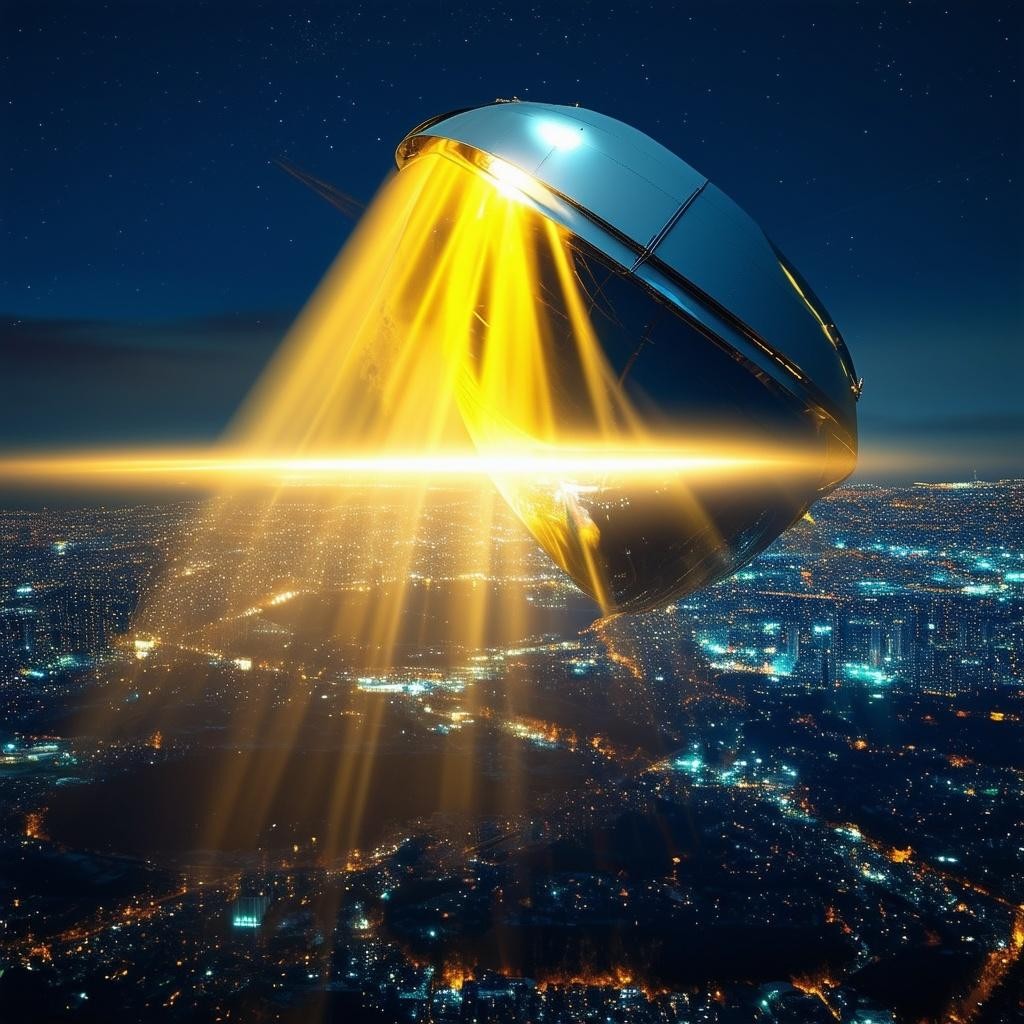
Lighting up the night sky
30,000 people can’t be wrong… or can they? Despite these uncertainties, public interest in the concept appears to be skyrocketing. According to Tristan Semmelhack, Reflect Orbital’s CTO, the company has received a staggering 30,000 applications for a « spot of light. » This enthusiasm seems to be fueling the company’s ambitious plans. Reflect Orbital aims to develop an entire constellation of satellites, potentially illuminating solar farms after dark and revolutionizing renewable energy production. « By precisely reflecting sunlight that is endlessly available in space to specific targets on the ground, we can create a world where sunlight powers solar farms for longer than just daytime, » Nowack explained on X.
The dark side of eternal daylight While the idea of on-demand sunlight is captivating, it’s not without its potential drawbacks. Environmental concerns loom large, with questions about light pollution and disruption to flora and fauna yet to be addressed.