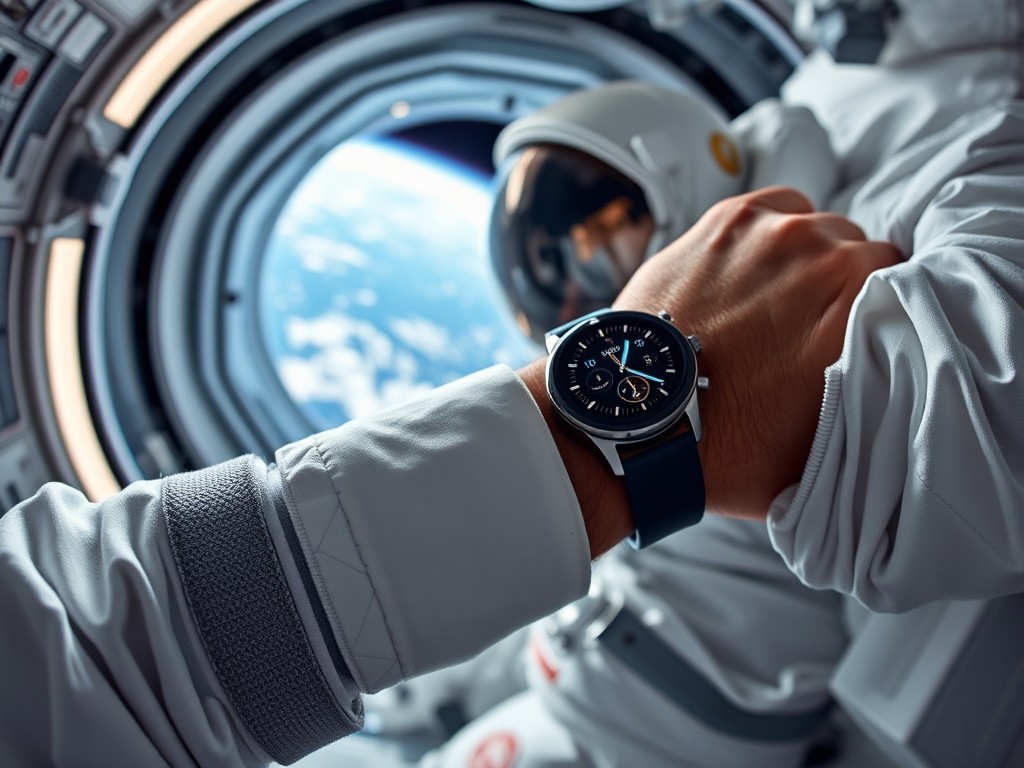

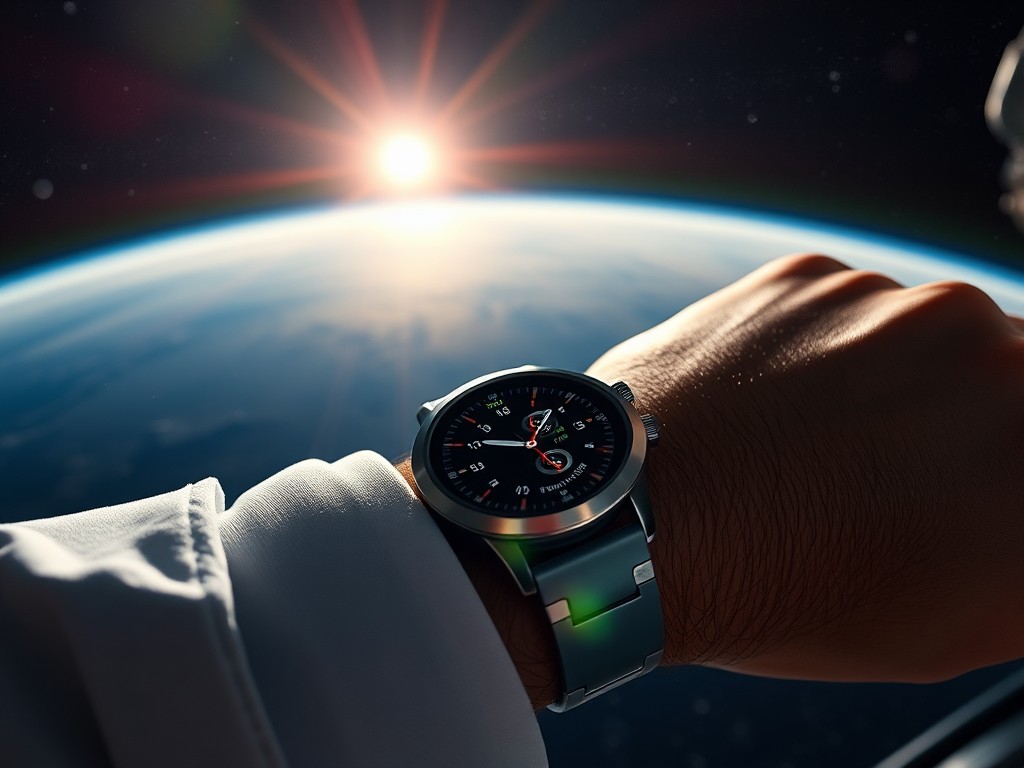
Samsung’s Galaxy Watch 5 has successfully completed its first extraterrestrial mission. As reported by Gagadget, the consumer-grade smartwatch played a crucial role in studying the effects of cosmic radiation on astronauts during the Polaris Dawn space mission.
Record-breaking heights. The Polaris Dawn mission, part of a broader program aimed at expanding human spaceflight capabilities, achieved several notable firsts. The four-person crew reached a record-breaking orbit of 1,400 kilometers from Earth, the highest since the Apollo program. In another milestone, the mission included the first commercial spacewalk, utilizing SpaceX’s newly developed EVA spacesuits. Throughout these groundbreaking activities, the Galaxy Watch 5 diligently collected vital health data, proving its worth far beyond Earth’s atmosphere.
When gadgets become mission-critical
Precision in microgravity. Perhaps the most impressive aspect of the Galaxy Watch 5’s space debut was its remarkable accuracy in health monitoring. « The Galaxy Watch 5 showed a high correlation of 93% to 97% with body composition values obtained using clinical devices, as confirmed by the researchers, » Gagadget reported. This high level of accuracy is particularly crucial for monitoring astronauts’ physical conditions during extended periods in microgravity.
However, it’s worth noting that space-grade equipment typically undergoes years of specialized development and testing. The use of consumer technology in such a critical role does raise questions about long-term reliability and radiation resistance in the harsh space environment.
A new era of space health tech? The success of the Galaxy Watch 5 in this mission could herald a new approach to health monitoring in space. Its compact size and advanced technology offer significant advantages over bulkier, specialized equipment. As space missions grow longer and venture further from Earth, the ability to closely monitor astronaut health with easily replaceable, off-the-shelf devices could prove invaluable.