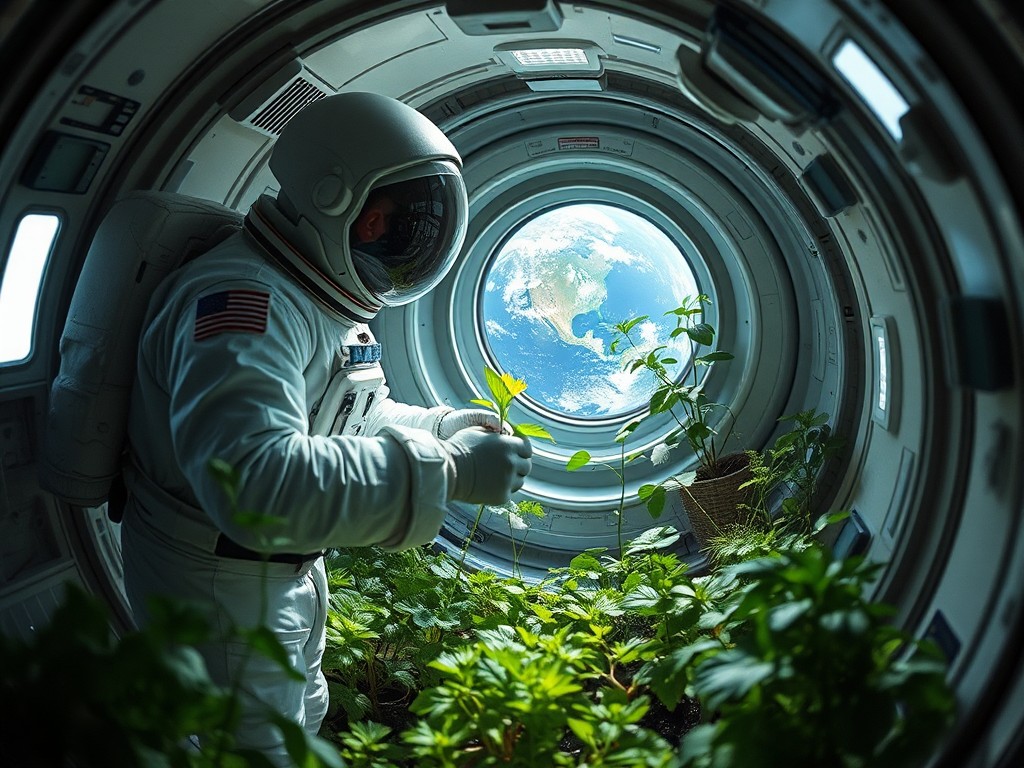
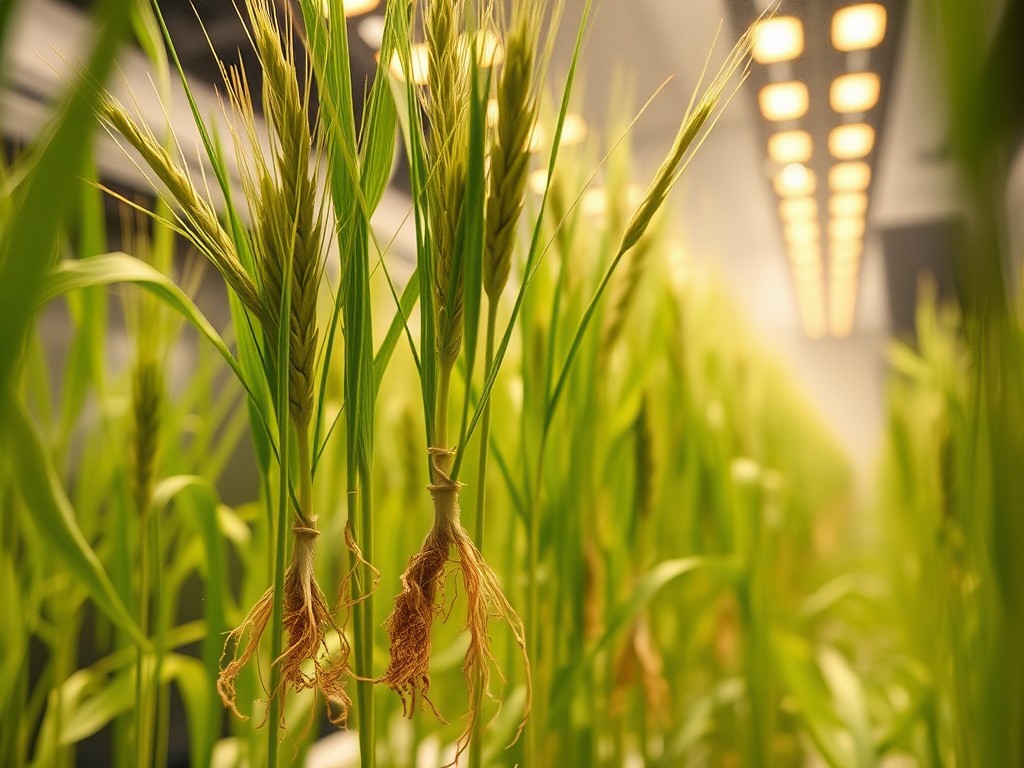
Green revolution in the cosmos. Plant astrobiology, a cutting-edge field merging botany and space science, is pushing the boundaries of our understanding of life beyond Earth. As reported by Astrobiology.com, researchers are no longer limiting their search for extraterrestrial life to microbes, but are now exploring how Earth’s flora could thrive in the harsh conditions of outer space. This innovative approach combines the disciplines of botany and astrobiology, challenging scientists to envision plant growth beyond our planet’s atmosphere.
Extreme gardening challenges. The unforgiving environment of space presents numerous obstacles for plant survival. Scientists are tackling issues such as low gravity, high radiation, and extreme temperature fluctuations to understand how plants might adapt. One of the most promising avenues of research involves integrating plants into closed-loop life support systems for future space missions. These systems would utilize plants to recycle waste, generate oxygen, and produce food, creating a sustainable ecosystem for long-term space exploration.
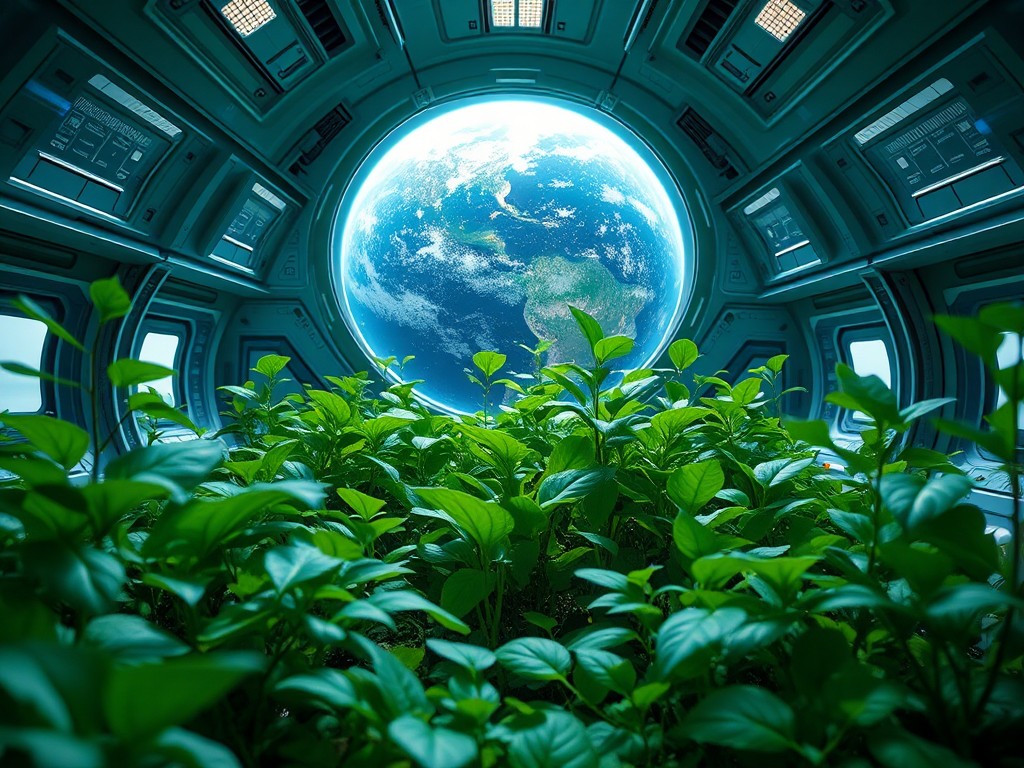
The ethical tightrope of space agriculture
Playing God in zero gravity? While the potential benefits of plant astrobiology are immense, the field is not without controversy. Researchers are delving into genetic modifications and synthetic biology techniques to enhance plant resilience in space environments. However, these advancements raise important ethical questions about altering organisms for off-planet habitation.
A blooming future in space. Despite the challenges, the future of plant astrobiology looks promising. Beyond their practical applications, plants could provide significant psychological and emotional benefits to astronauts in enclosed, isolated space habitats.