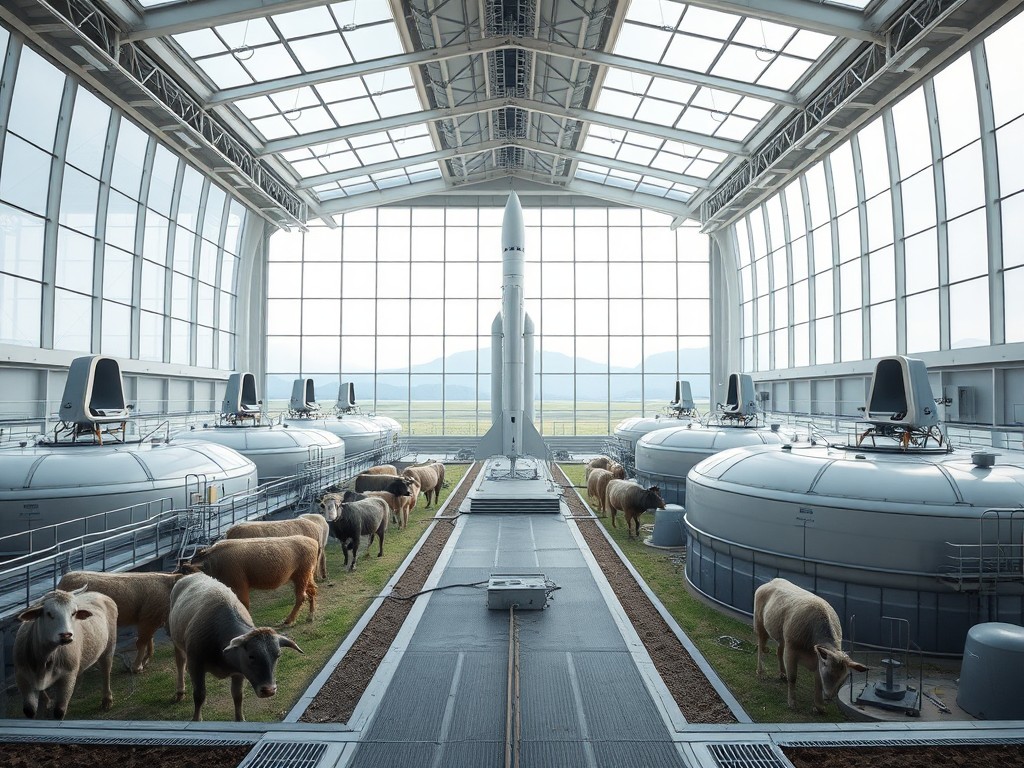
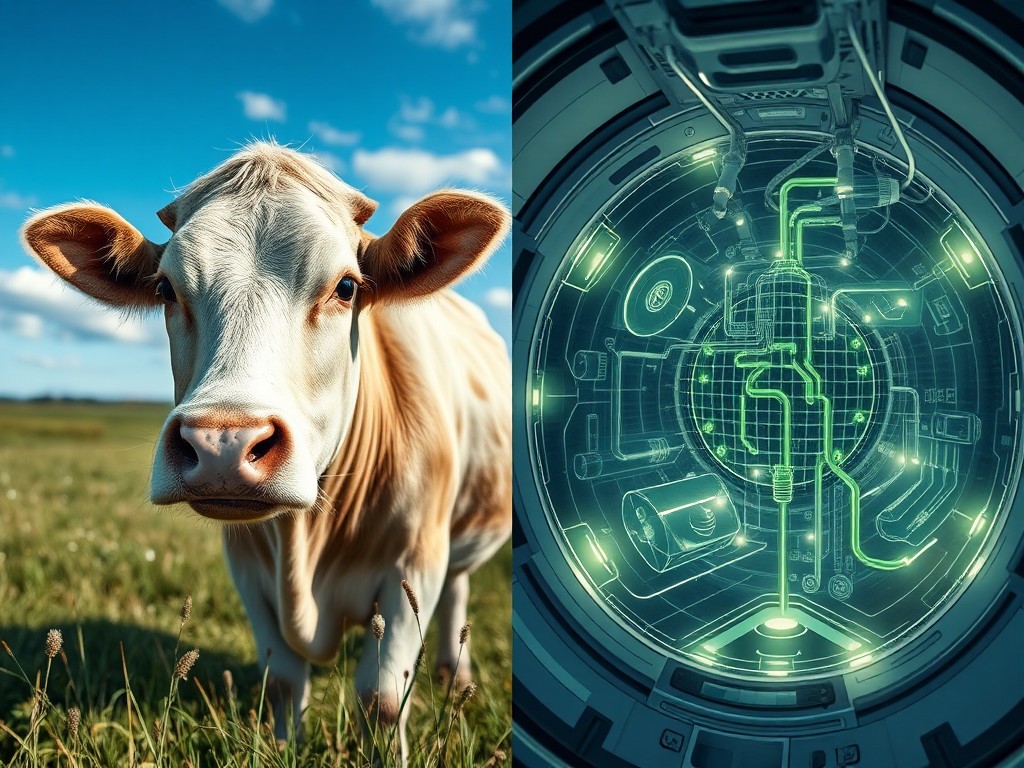
From cows to cosmos – A Japanese startup is transforming space travel with an unexpected fuel source: cow-derived biomethane. According to Japan Forwards, they’re converting methane gas from Hokkaido cattle into eco-friendly rocket fuel, setting new standards for sustainable space transportation.
Breaking weight barriers – The spacecraft design pushes engineering boundaries with its lightweight carbon fiber structure. Space Walker’s innovative rocket measures 17.5 meters in length with a 12.9-meter wingspan, accommodating two crew members and six passengers. « This enables us to create the world’s lightest fuel tanks, » explains Space Walker CEO Akihide Manabe during the company’s recent presentation at Tokyo University of Science. Unlike conventional rockets using heavy metal tanks, their composite materials technology significantly reduces overall mass while maintaining structural integrity.
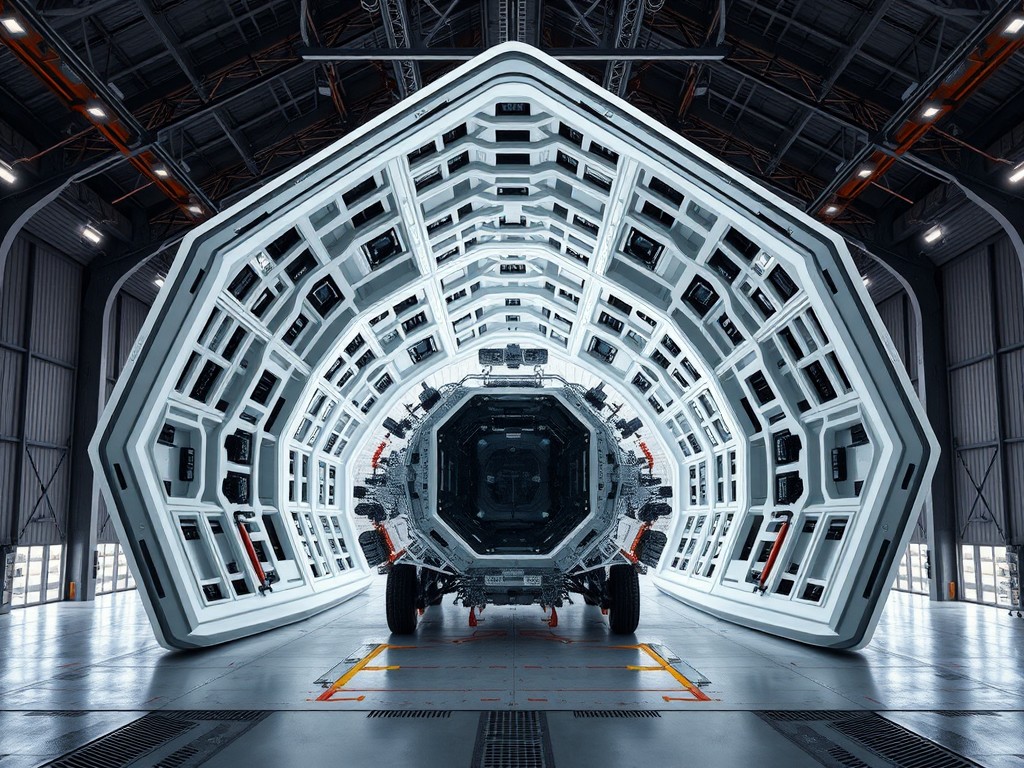
Rethinking space access
Space Walker’s approach to commercialization draws inspiration from an unexpected source – the airline industry. « With reusable rockets, we envision a model similar to airlines, » Manabe shared at the business report meeting. The company plans to lease rockets as financial assets, mirroring how Boeing and Airbus provide aircraft to commercial airlines. This business model could reduce launch costs and expand space transportation access.
Sustainability takes flight – Space Walker’s development timeline emphasizes environmental responsibility. Their roadmap includes extensive testing phases, targeting their first satellite launch by 2028. The combination of biomethane propulsion with reusable technology addresses both environmental and economic challenges in space exploration.