Cosmic housekeeping gone wrong? SpaceX’s Starship might accidentally destroy what scientists hope to study on the Moon. According to Popular Science, researchers from multiple institutions including NASA and Johns Hopkins University warn that the massive spacecraft’s powerful landing could contaminate pristine ice deposits in the Moon’s darkest regions.
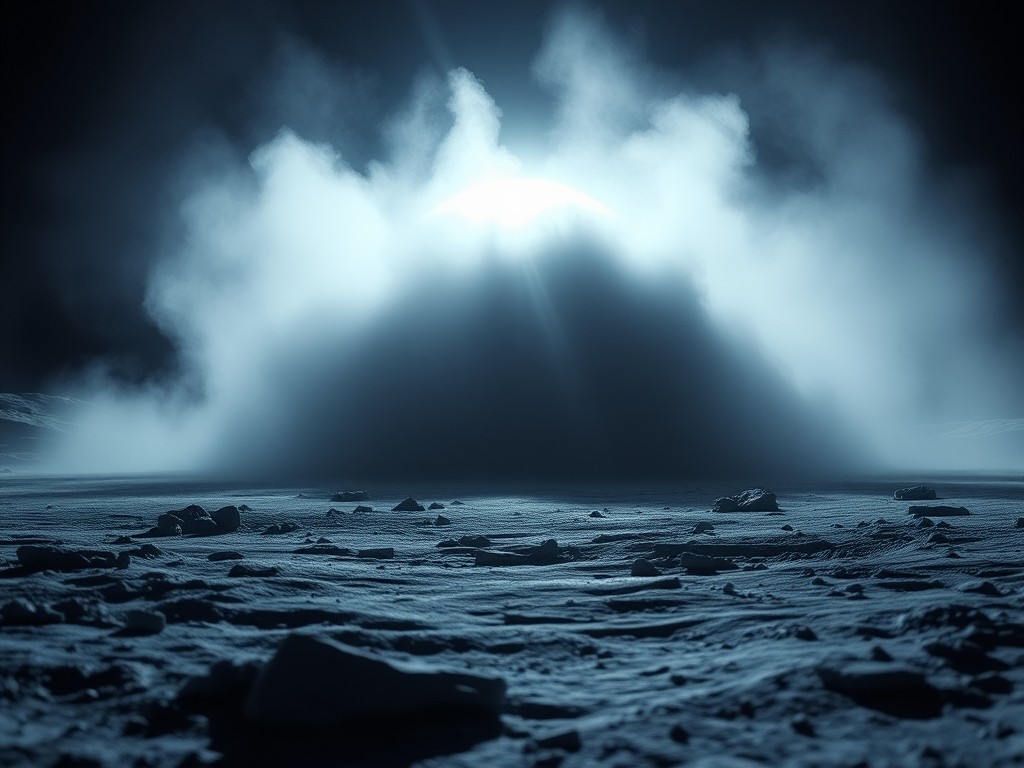
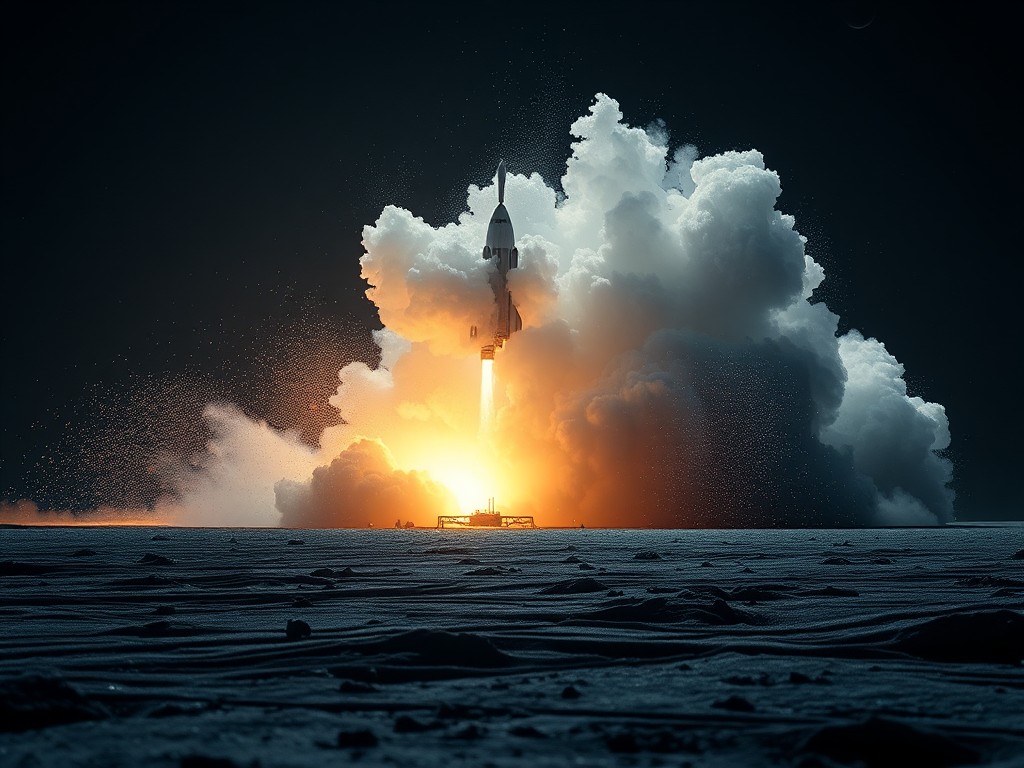
Not just a parking problem. The sheer power of Starship – a 50-meter-tall upper stage powered by multiple engines generating 7.5 million kilograms of thrust – could create more than just a dramatic landing. Scientists estimate each touchdown would scatter over 9 tons of water and icy particles across the landing zone. « This anthropogenic contribution could possibly overlay and mix with the naturally occurring icy regolith at the uppermost surface, » warns the research team in The Planetary Science Journal.
From Moon Dust to Moon Rust: The Hidden Impact
Ice hunters face a deadline. These pristine lunar Permanently Shadowed Regions (PSRs) potentially harbor up to 54 tons of water ice – a resource that future astronauts could transform into drinking water, breathable oxygen, and rocket fuel. This ice represents both a scientific treasure trove and a crucial resource for sustainable space presence.
History teaches a lesson. To understand the magnitude of this potential disruption, consider this comparison made by Popular Science: the Apollo missions’ lunar modules, which successfully landed humans on the Moon in the 1960s and 70s, added less than one percent of water to existing frost – approximately 30 times less contamination than a single Starship landing would generate. This stark contrast raises crucial questions about balancing powerful new technology with preserving pristine lunar environments for scientific study.