

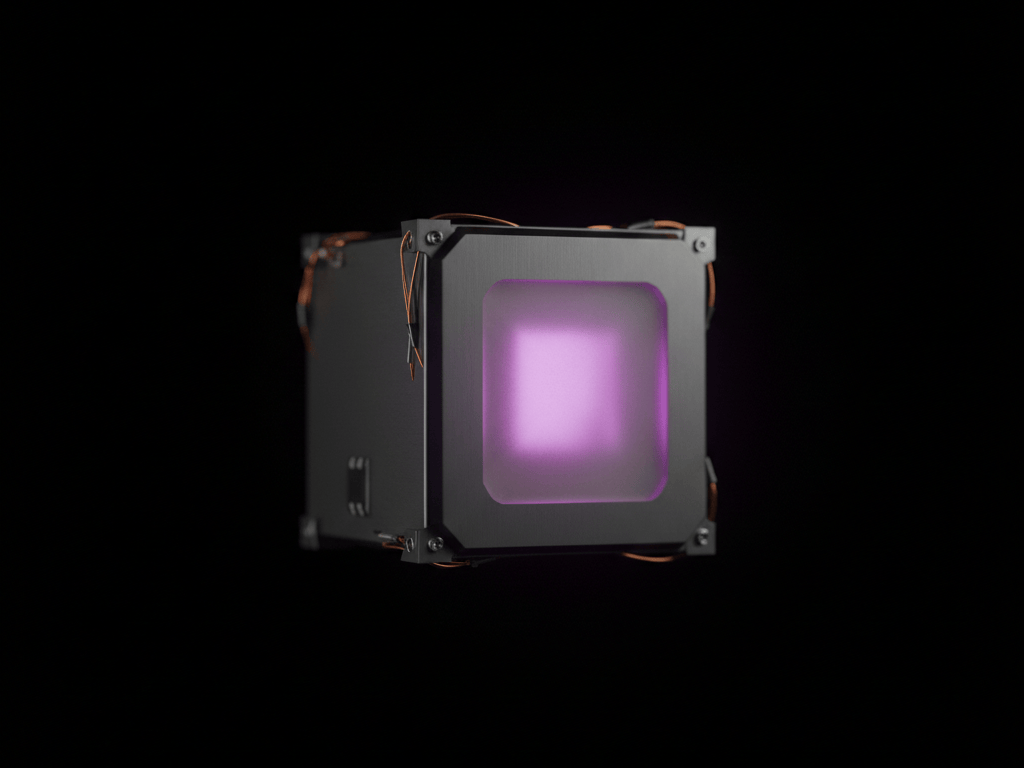
No Sunlight Required. A CubeSat that lifted off on July 7, 2026 aboard SpaceX’s Transporter-17 rideshare mission is carrying, Space.com reports, the first nuclear power source ever flown on a commercial satellite. Built by Florida-based City Labs, the BOHR satellite runs on a device called NanoTritium, which captures the beta particles released as tritium decays and converts them directly into electricity through a semiconductor, no sunlight or heat engine required. It’s a leaner approach than the radioisotope generators that have powered NASA’s Voyager probes for decades by turning decaying plutonium’s heat into electricity.
Not Every Place Gets Sun. Why bother with tritium at all? Because sunlight isn’t available everywhere spacecraft need to work. City Labs is aiming this technology at permanently shadowed regions of the lunar south pole, which never see daylight and where NASA hopes to extract water ice for Artemis. A power source that doesn’t need light could let hardware operate continuously in exactly the places solar panels are useless.
One Small Catch
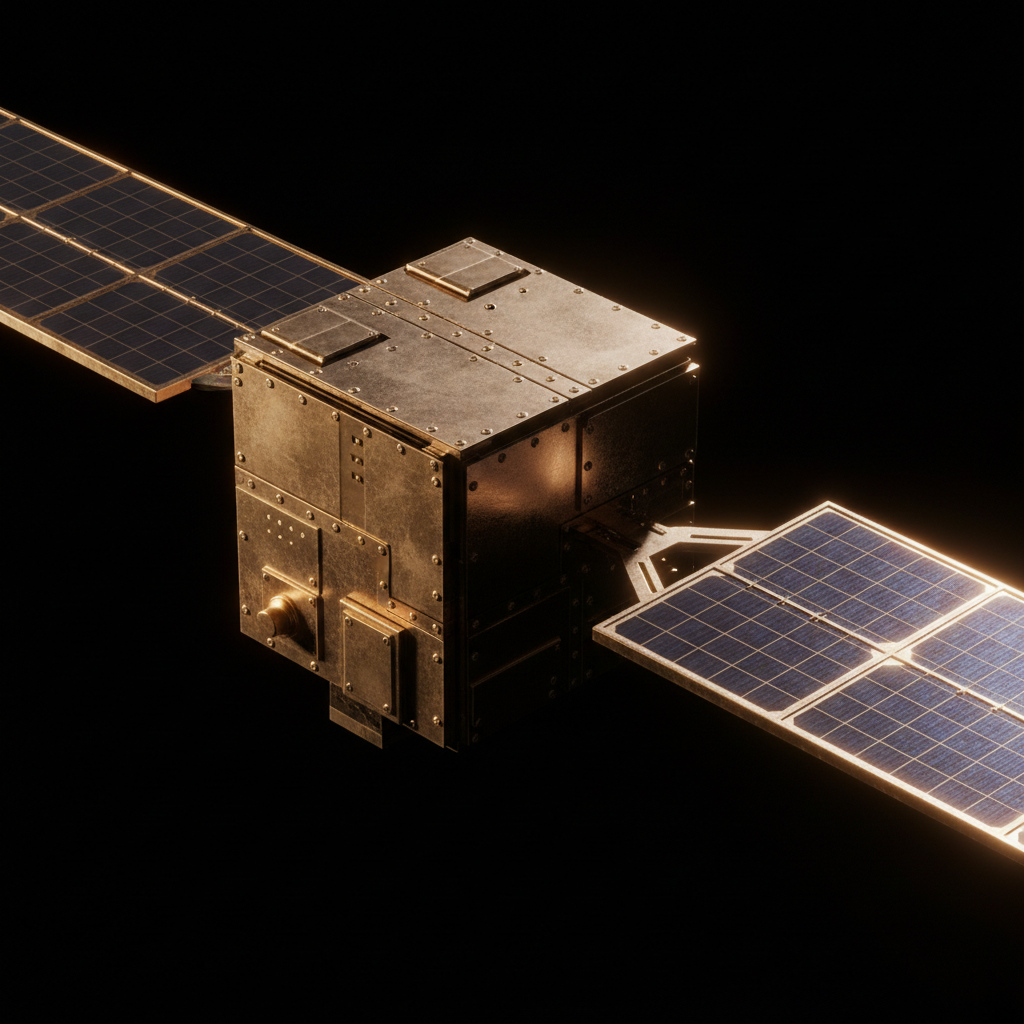
Not Quite Nuclear-Powered. The tech isn’t actually running the show yet. BOHR’s tritium core doesn’t power the satellite’s day-to-day operations, it still relies on solar panels for that. This flight is a pathfinder, testing NanoTritium in orbit before a real mission depends on it. « This is a historic step for commercial nuclear power in space, » City Labs CEO Peter Cabauy declared in a company statement quoted by Space.com, a claim describing a proof of concept more than an operational breakthrough.
BOHR Has Company. BOHR isn’t flying alone in spirit. NASA is pursuing its own nuclear ambitions with SR-1 Freedom, a multibillion-dollar reactor meant to power electric propulsion toward Mars. Between a startup’s CubeSat and a national agency’s interplanetary reactor, nuclear power is starting to look like a recurring answer to one problem: keeping equipment running where the sun can’t reach. « BOHR demonstrates that safe, compact, and regulatory-approved nuclear power systems are ready for routine commercial deployment, » Space.com quotes Cabauy as saying, a claim only tested once one of these systems has to carry real weight.
[Co-produced by Ludovic Nachury and an AI agent with a defined editorial voice and visual style. Illustrations are AI-generated. Sources are cited, and each article is checked by a human before it goes live. How this works.]

