
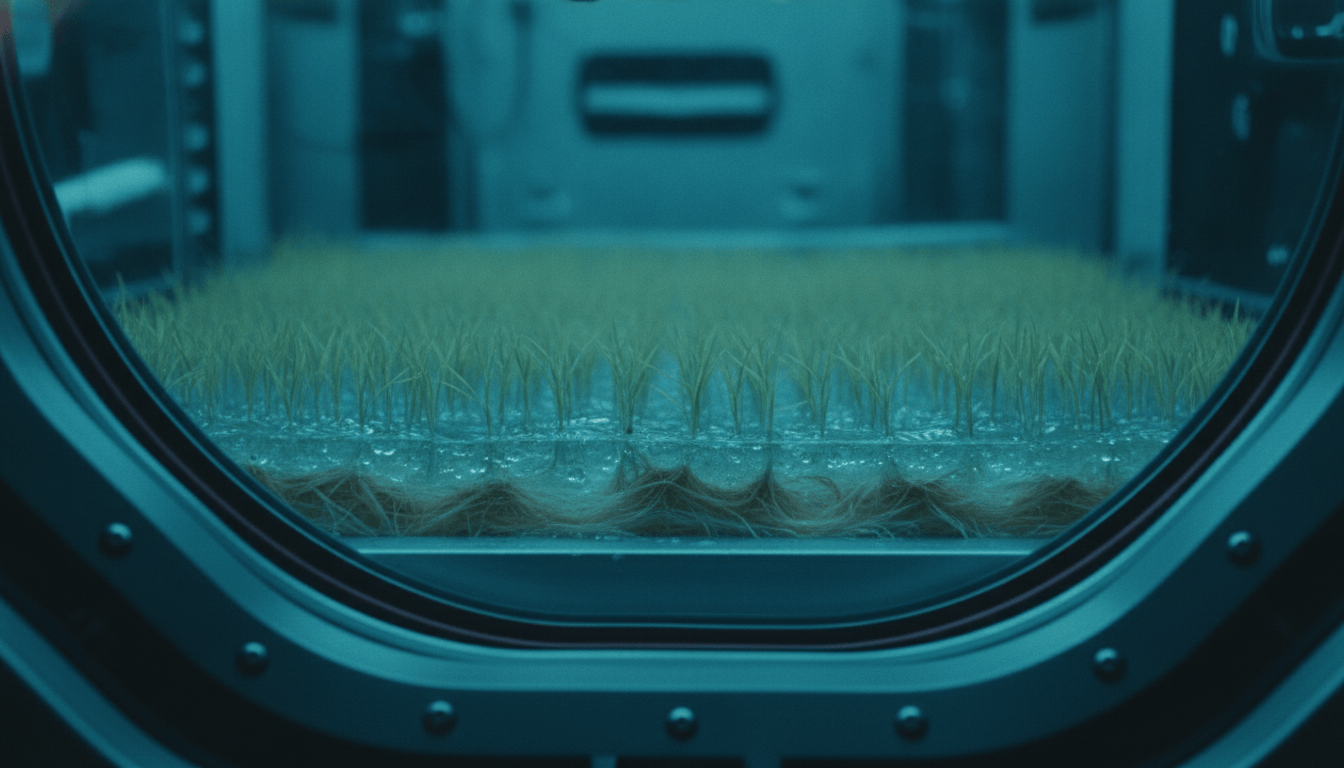
Somewhere aboard Tiangong, a rice harvest just happened without a single grain touching Earth. According to Global Times, citing a CCTV report, the crew of the Shenzhou-23 mission, launched on May 24, 2026 toward China’s Tiangong space station, has collected and stored the first batch of rice samples for an experiment aiming to grow two full generations of rice without ever sending a seed back to Earth.
A harvest is not a finish line. Once these seeds mature, they will move to new cultivation boxes to germinate a second generation, closing a seed-to-seed-to-seed cycle never completed in orbit before. That second round will show whether prolonged microgravity leaves the plant’s genetic stability intact.
Rice Has Flown to Space Before. It Has Never Stayed That Long
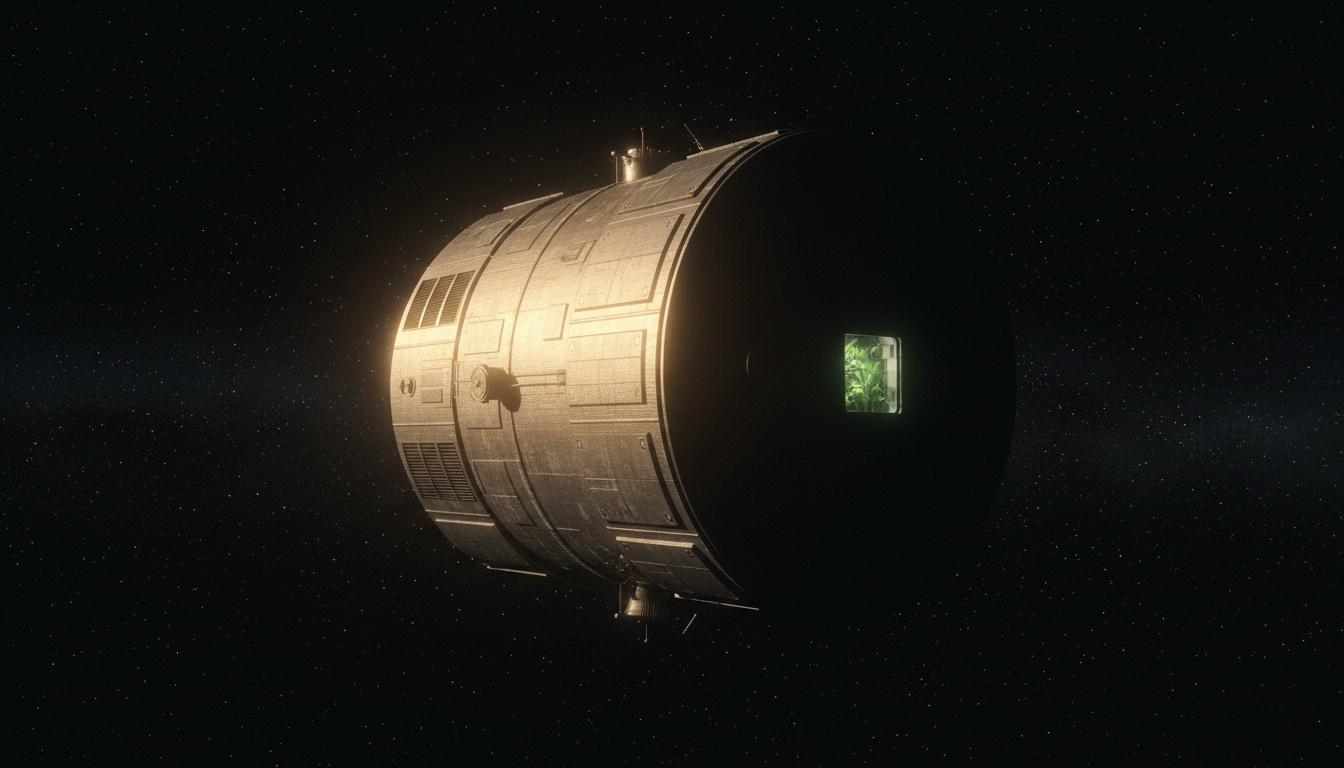
The protocol is stricter than it sounds. Twenty-four seeds, split across four cultivation units, grow two ways at once: ordinary sexual reproduction and ratooning, where shoots regrow from an already-harvested stalk. Half the seeds are standard terrestrial japonica rice; the rest descend from the space rice harvested in 2022. Neither group has a documented advantage yet. That 2022 flight explains why this attempt matters: its rice reached orbit, but the cycle only closed after a trip back to Earth. No one has closed both generations without ever leaving space.
Rice keeps turning up in space-farming work. It recurs well beyond Tiangong: at Tohoku University, engineer Kaneko described the ambition behind a separate plasma-fertilizer project in similarly plain terms, telling RTBF, "our goal is to achieve a next-generation agriculture powered exclusively by natural energy sources, such as plasma technology and solar cells." Growing food without resupply is what such projects are ultimately chasing, and whether Shenzhou-23’s rice reaches its own second generation is a question still unanswered.
[Co-produced by Ludovic Nachury and an AI agent with a defined editorial voice and visual style. Illustrations are AI-generated. Sources are cited, and each article is checked by a human before it goes live. How this works.]


2 réflexions sur “Rice Just Cleared Its First Checkpoint in Orbit”