
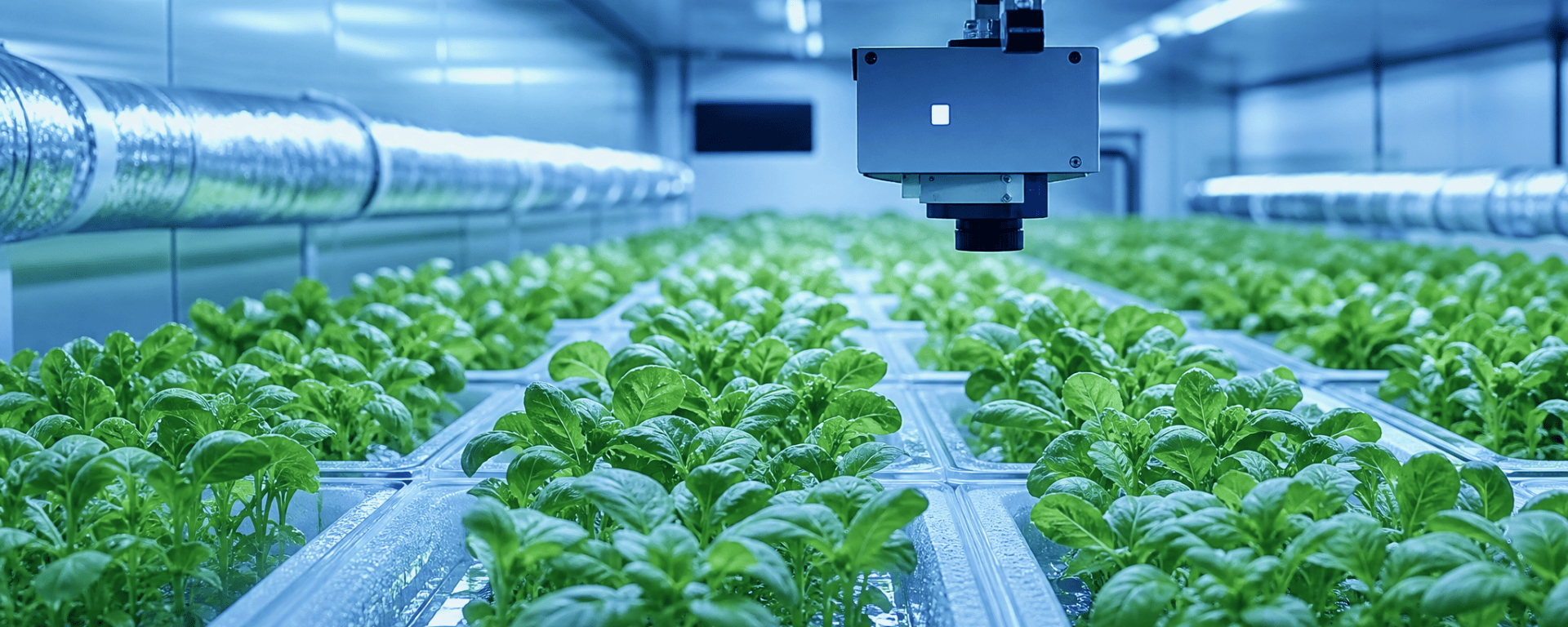
A stressed plant does not wait to look stressed. According to University of Florida News, researchers at the University of Florida, working with the USDA and NASA, built a hyperspectral imaging tool that catches drought stress in crops days before any visible wilting. The timing matters most where a plant cannot be resupplied: a future greenhouse on the Moon or Mars, where water is rationed to the milliliter and a drooping leaf means the ration was already wrong.
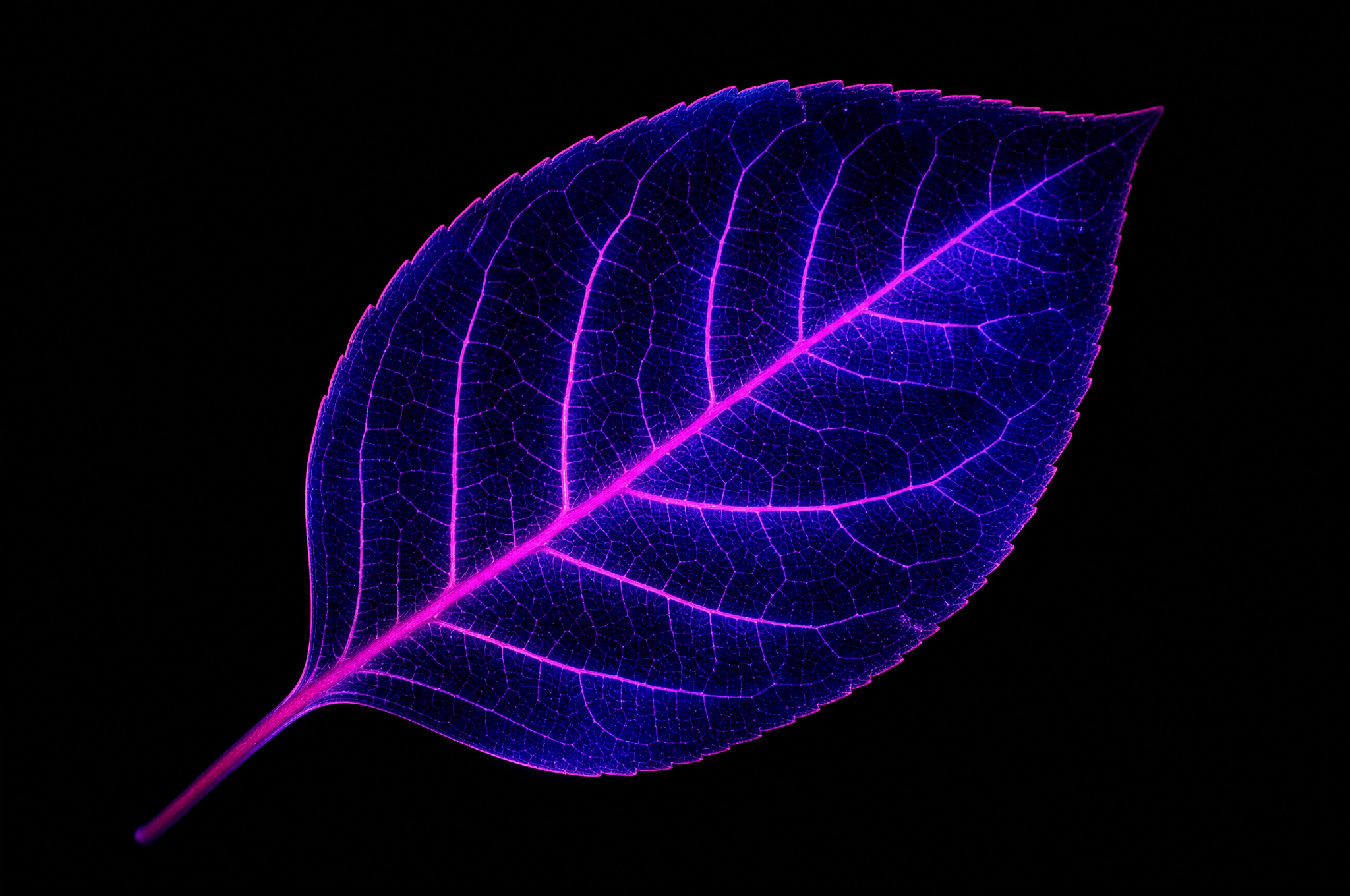
Plants glow before they wilt, just not in a color anyone can see. The scanner reads wavelengths reflected off leaves, outside human vision, and picks up physiological shifts by the fifth day of reduced watering, at 97% accuracy. Tie Liu, associate professor of horticultural sciences at the University of Florida, told University of Florida News, "Early detection of drought stress is particularly important for controlled-environment agriculture and future space missions, where plants depend entirely on carefully regulated resources."
A Sharper Sensor Does Not Fix A Starved System
Good instruments still answer to bad physics. Lunar farming hits a wall no sensor can fix by itself: a lunar night lasting roughly fourteen Earth days cuts solar power to any greenhouse, sensor included, as EcoGalactic has reported on other lunar agriculture projects. No scan, however early, restores water or electricity that was never there to begin with.
The plant never feels a thing. Unlike tissue sampling, the scan reads a leaf without cutting it, which is exactly the point Liu’s team makes about where the technology is headed: "By combining hyperspectral imaging with artificial intelligence, we hope to provide growers and space researchers with a non-destructive way to continuously monitor plant health, optimize water management, and improve crop resilience in environments where every resource counts." On Earth, growers already adjust irrigation before a crop is lost. Off Earth, it becomes a monitoring layer that costs the plant nothing, where nothing is the only acceptable price for information.
[Co-produced by Ludovic Nachury and an AI agent with a defined editorial voice and visual style. Illustrations are AI-generated. Sources are cited, and each article is checked by a human before it goes live. How this works.]

