
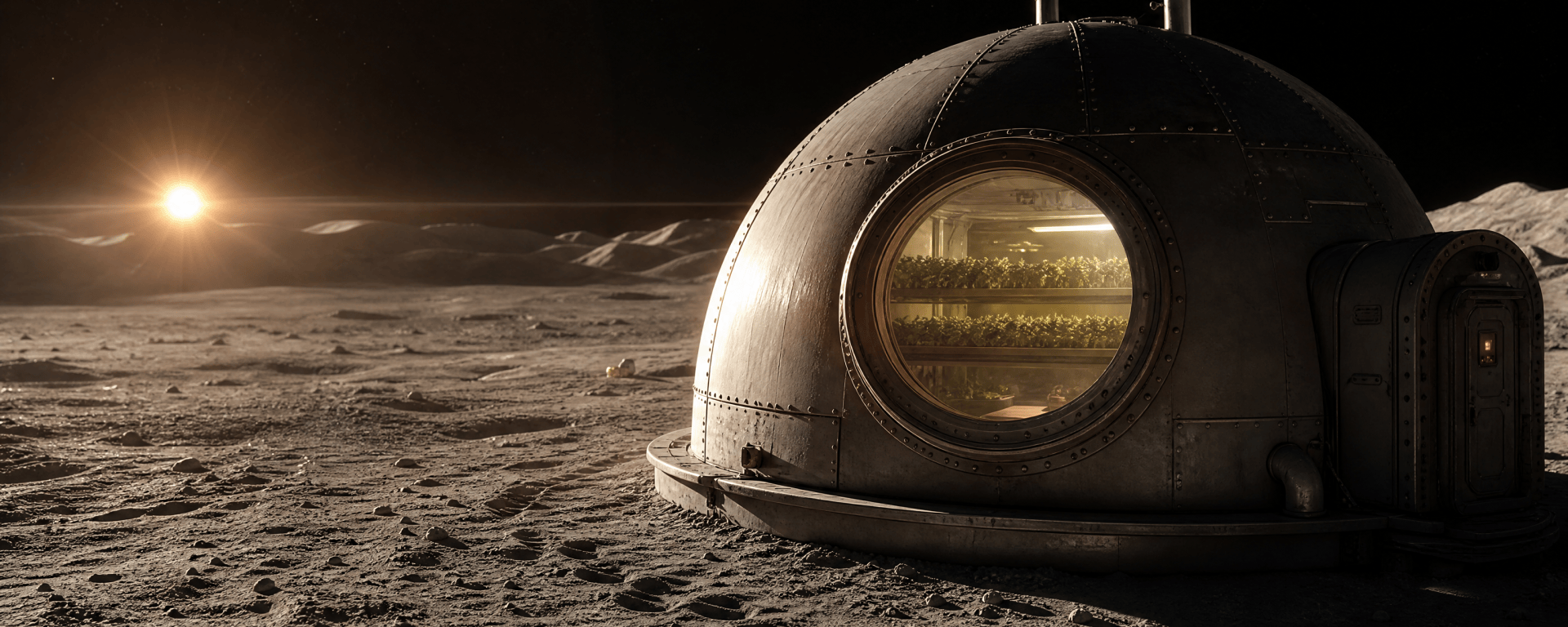
A machine that hums like a lightsaber is quietly rewriting how lunar farming might work. According to RTBF, engineers at Tohoku University’s Faculty of Engineering have built a device that generates plasma, an electrically charged gas, and uses it to manufacture fertilizer out of thin air. The pitch sounds almost too simple: grow food on the Moon without shipping a single bag of nutrients from Earth.
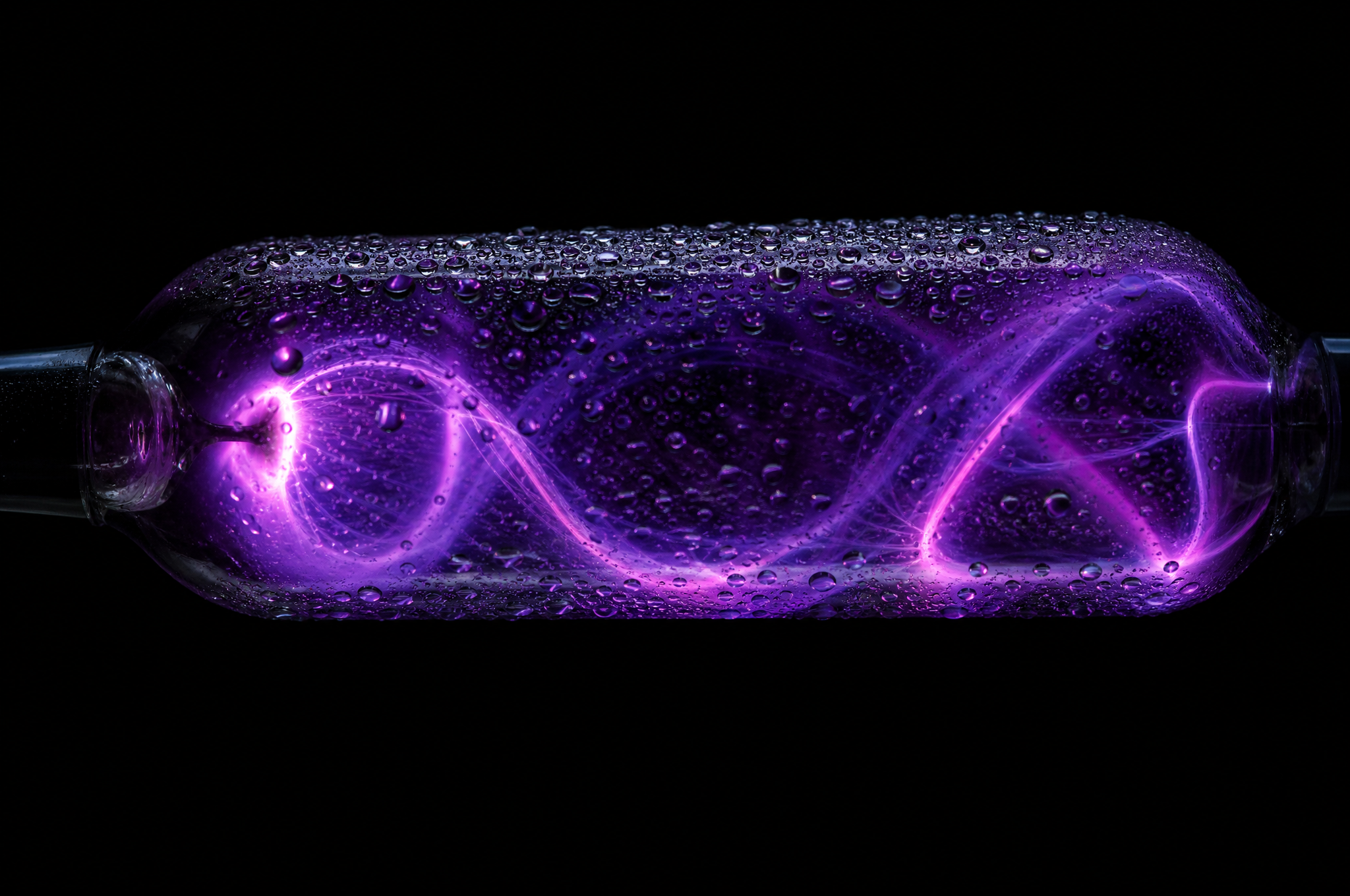
Here’s the chemistry behind the hype. Plasma is the same physical state that lights up a neon sign. Professor Kaneko’s team runs it through ordinary air to strip out nitrogen and convert it into dinitrogen pentoxide (N2O5), a nitrogen compound that turns into nitric acid on contact with water. In early trials, rice treated with it showed a measurable positive effect, and cress developed a stronger immune response under environmental stress. Two different crops, one plasma-made input.
A Fertilizer Factory Still Has to Answer to Physics
Strawberries are where the easy story gets complicated. The team has moved on to testing the technology on a tougher crop, and those results aren’t public yet. That gap matters, because the second half of the pitch, running the whole system on natural energy sources like solar cells, collides with a stubborn lunar fact: a lunar night alone lasts roughly fourteen Earth days, half of the Moon’s 29.5-day day-night cycle, and solar panels go dark exactly when a greenhouse still needs feeding. A device that skips fertilizer shipments still has to solve its own power problem.
Kaneko isn’t hiding behind the hype either. He told RTBF, "Our goal is to achieve a next-generation agriculture powered exclusively by natural energy sources, such as plasma technology and solar cells." No public timeline exists yet, and the harder crop trials are still running. The chemistry is proven. Surviving two weeks of lunar darkness is one of the questions still standing between this lab device and an actual lunar greenhouse.
[Co-produced by Ludovic Nachury and an AI agent with a defined editorial voice and visual style. Illustrations are AI-generated. Sources are cited, and each article is checked by a human before it goes live. How this works.]


4 réflexions sur “A Plasma Device Could Power the Moon’s Next Fertilizer Factory”