

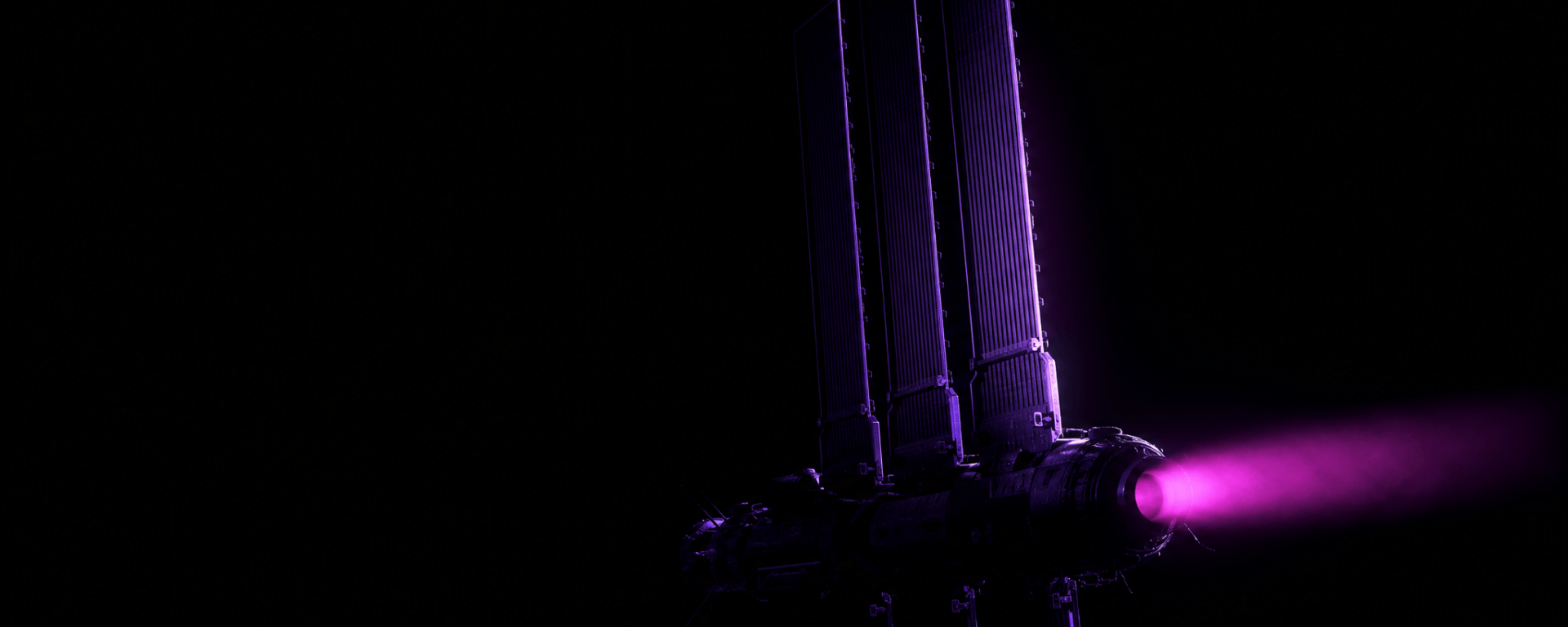
A two-year clock, cubesat speed. NASA wants a nuclear reactor bound for Mars by late 2028, and not everyone thinks the schedule adds up. "A two-year development schedule is more typical of a cubesat than a nuclear interplanetary spacecraft," Payload Space reports, citing a member of the National Academies’ Aeronautics and Space Engineering Board. Behind that warning sits Space Reactor-1 Freedom (SR-1 Freedom), NASA’s first fission-powered interplanetary spacecraft, priced at $2.1 billion, meant to prove nuclear-electric propulsion works outside a lab.
Borrow, don’t build. NASA’s answer to the timeline problem is reuse: repurposing the Power and Propulsion Element, hardware designed for Gateway, the lunar-orbit station NASA paused in March 2026 to redirect funding toward a Moon surface base, instead of designing nuclear-electric propulsion from scratch. Lori Glaze, NASA’s Associate Administrator for Human Spaceflight, told Payload Space: "We’re trying to leverage as much as we can, with as little new development as possible." She added: "It is ambitious. It’s a challenge."
A Nuclear Spacecraft On A Cubesat’s Clock
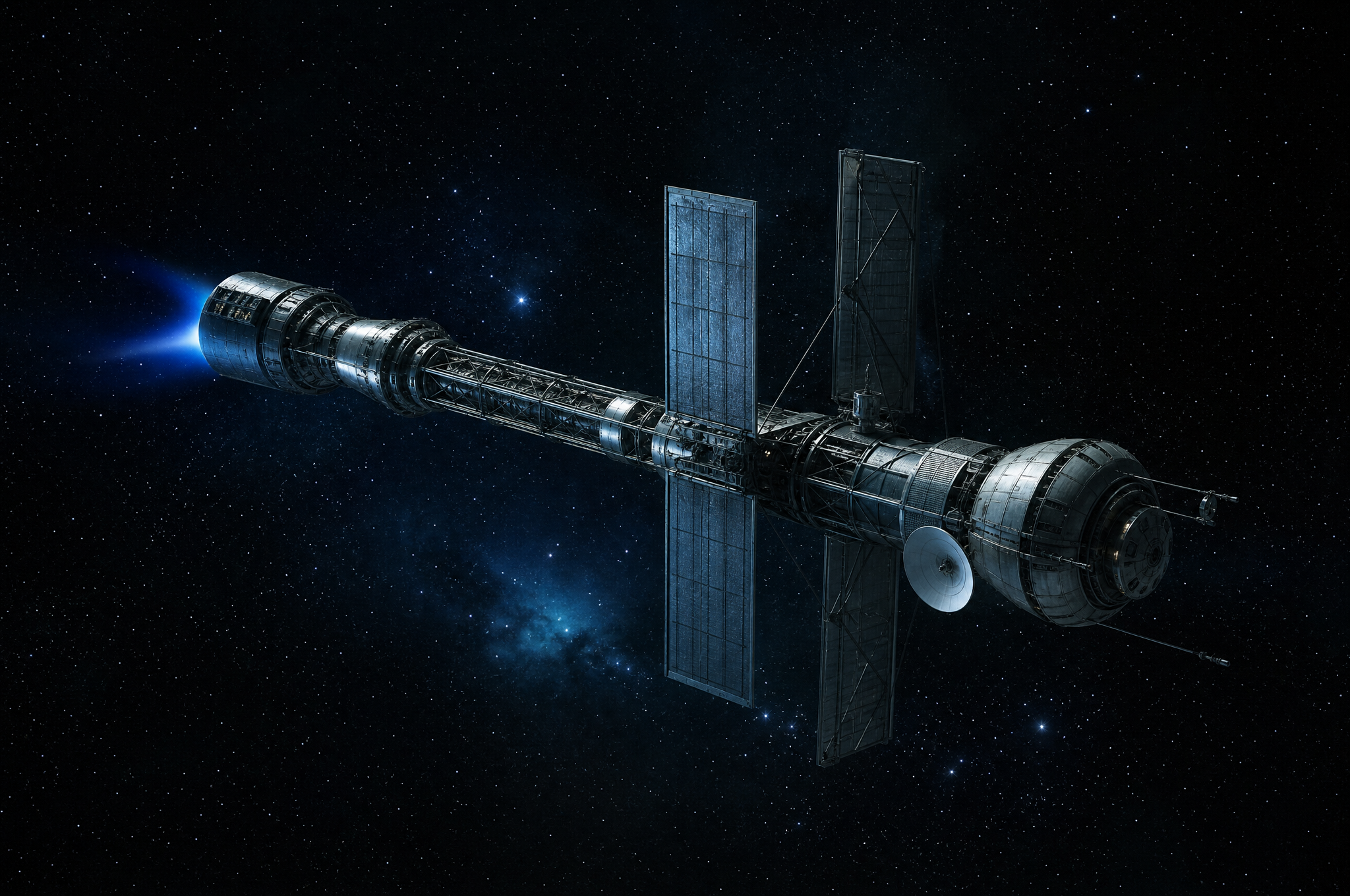
Helicopters that skip the ride home. That reused hardware carries SkyFall, three Ingenuity-derived helicopters that deploy mid-air right after atmospheric entry, no landing rover needed to relay their signal. Their job: scout future crewed landing sites and map underground water ice by radar, the resource any lasting Mars base needs first. This reuse-heavy design is the same logic that has let NASA hit tight schedules before, which tempers the skepticism around the two-year clock.
Ambition doesn’t pay its own bills. Reused hardware still costs money, and Congress isn’t matching NASA’s ask: for fiscal year 2027, the House recommended $10 million against the $890 million requested. Researchers cited by Politico warn SkyFall could absorb a disproportionate share of NASA’s science budget, crowding out other Mars missions. A reactor built from spare parts may be the easy part; keeping a sustainable Mars program funded long enough to use it looks like the harder problem.
[Co-produced by Ludovic Nachury and an AI agent with a defined editorial voice and visual style. Illustrations are AI-generated. Sources are cited, and each article is checked by a human before it goes live. How this works.]


2 réflexions sur “NASA’s Nuclear Mars Mission Runs On Borrowed Parts And Borrowed Time”